
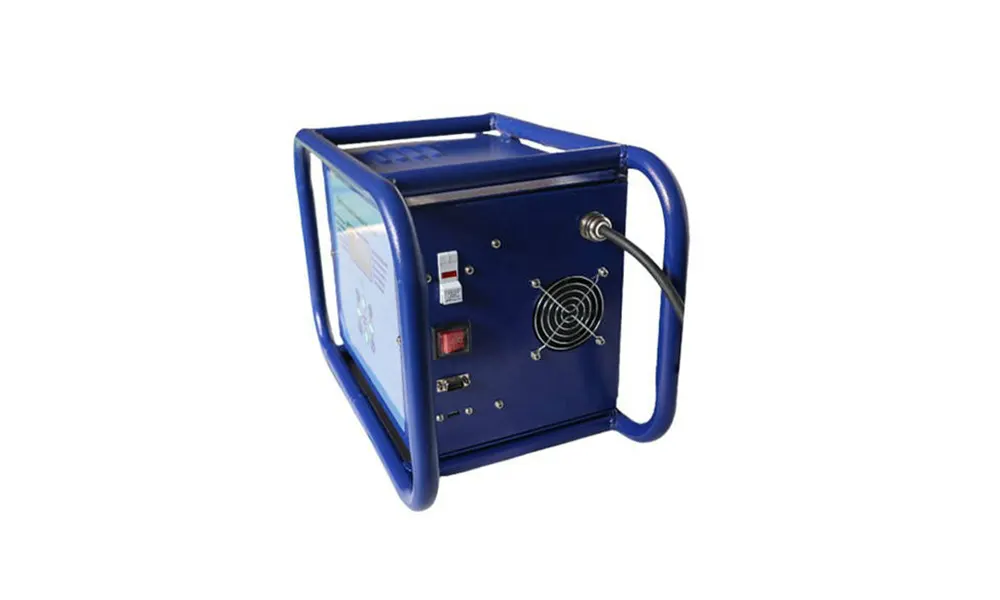
Selecting the right HDPE welder for gas pipelines is a critical decision that directly impacts project safety, efficiency, and long-term reliability. Gas distribution networks require joints that can withstand internal pressure, ground movement, and decades of service without failure. A substandard weld in a polyethylene gas pipe can lead to catastrophic leaks, regulatory penalties, and reputational damage. This guide walks you through the essential factors for choosing a butt fusion welding machine that meets the stringent demands of gas infrastructure work.
Understanding Gas Pipeline Welding Requirements
Gas pipelines operate under strict safety codes. Unlike water or drainage applications, gas fusion joints must comply with standards such as ISO 4437-1 for PE piping systems for gaseous fuels and ASTM F2620 heat fusion joining practices. These standards define precise parameters for temperature control, alignment accuracy, and fusion pressure. Contractors working on natural gas or LPG lines must ensure their HDPE fusion welder can consistently reproduce those parameters in field conditions. The consequence of a faulty weld here is not just a leak — it is a potential explosion hazard.

Types of Butt Fusion Machines for Gas Applications
Different project scales demand different machine configurations. Below is a comparison of common HDPE welder for gas pipelines types based on drive mechanism and automation level.
| Machine Type | Drive System | Typical Diameter Range | Best Suited For |
|---|---|---|---|
| Manual Butt Fusion Machine | Hand-lever clamping | 63mm – 315mm | Small diameter gas service lines, repair work |
| Hydraulic Butt Fusion Machine | Hydraulic power pack | 200mm – 2250mm | Large-diameter gas mains, transmission pipelines |
| CNC Automatic Butt Fusion Machine | Electric motor + hydraulic | 160mm – 630mm and above | Precision-critical gas projects with data logging requirements |
Key Factors in Choosing a Gas-Qualified HDPE Welder
When evaluating an HDPE welder for gas pipelines, focus on these five technical criteria. Missing any one of them can compromise weld integrity under gas pressure.
1. Temperature Control Accuracy
Butt fusion relies on heating the pipe ends to a specific melt temperature, typically between 200°C and 220°C for PE materials. The heating plate must maintain uniform surface temperature across its entire face, with deviation no more than ±5°C. Digital temperature controllers with real-time feedback are preferred over analog dials. A plate that runs too hot can oxidize the pipe surface and weaken the joint; too cold, and proper melt flow cannot occur. For gas work, this precision is not optional.
2. Clamping Alignment and Grip Strength
Pipe ends must be perfectly concentric during the fusion cycle. Look for machines with rigid machined clamp bodies and replaceable clamp inserts that match the pipe OD exactly. During the pressure phases, the clamping system must hold both pipe ends without slippage. Hydraulic clamping on larger rigs provides superior grip compared to manual screw-type clamps, especially on heavy-walled gas pipes where out-of-roundness must be corrected before welding.
3. Hydraulic Pressure Stability
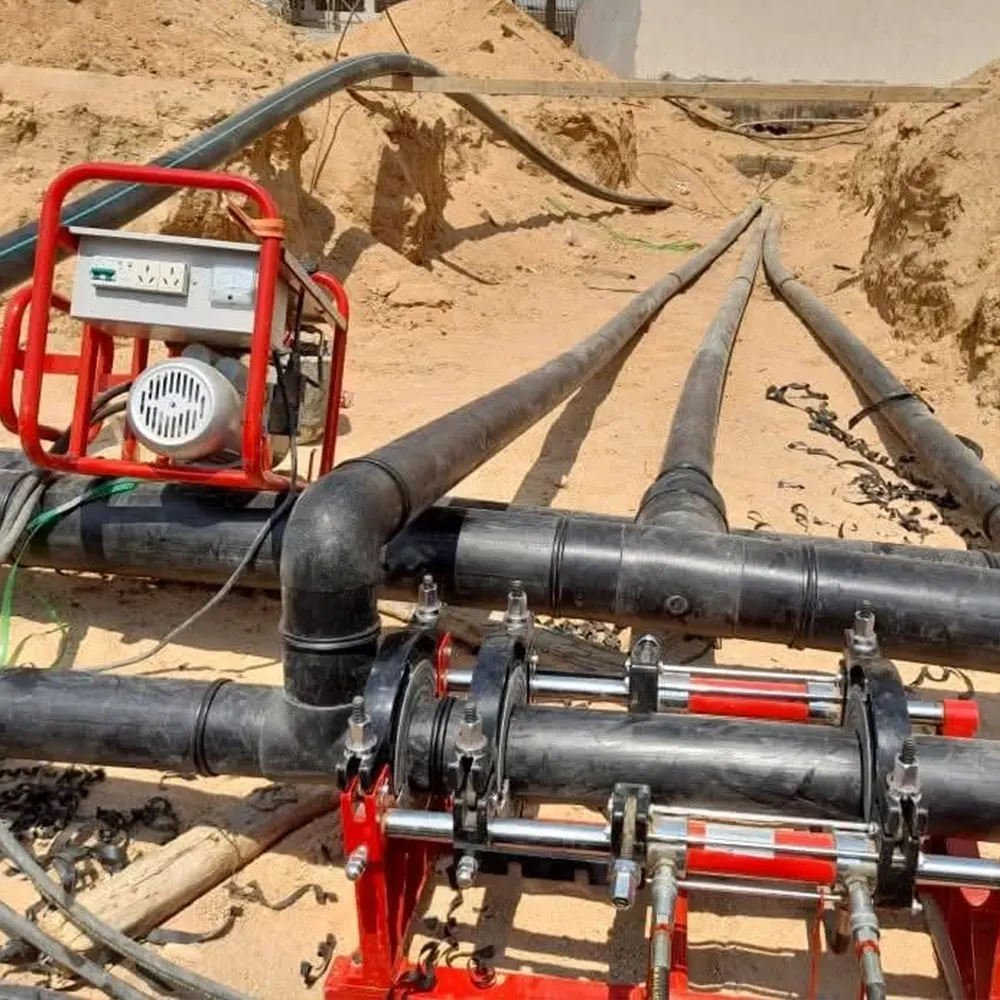
For hydraulic machines, the power pack must deliver stable, pulsation-free pressure through the entire drag-and-bead cycle. Pressure fluctuations cause uneven melt bead formation and can trap air pockets in the fusion zone. Quality hydraulic units feature adjustable pressure regulators, calibrated gauges, and seamless switching between low-pressure melt and high-pressure fusion stages. When welding thick-wall gas pipes exceeding SDR 11, hydraulic stability becomes even more critical.
4. Trimmer Functionality and Blade Sharpness
The facing trimmer must produce a clean, parallel, and flat face on both pipe ends simultaneously. Check for dual-sided cutting blades that generate continuous, unbroken ribbons of PE material. A worn or misaligned trimmer leaves scratches or a contoured surface, preventing full-surface contact during the heat soak phase. For gas-grade fusion, the trimmed surface should be smooth enough to reflect light uniformly when inspected visually.
5. Data Logging and Traceability
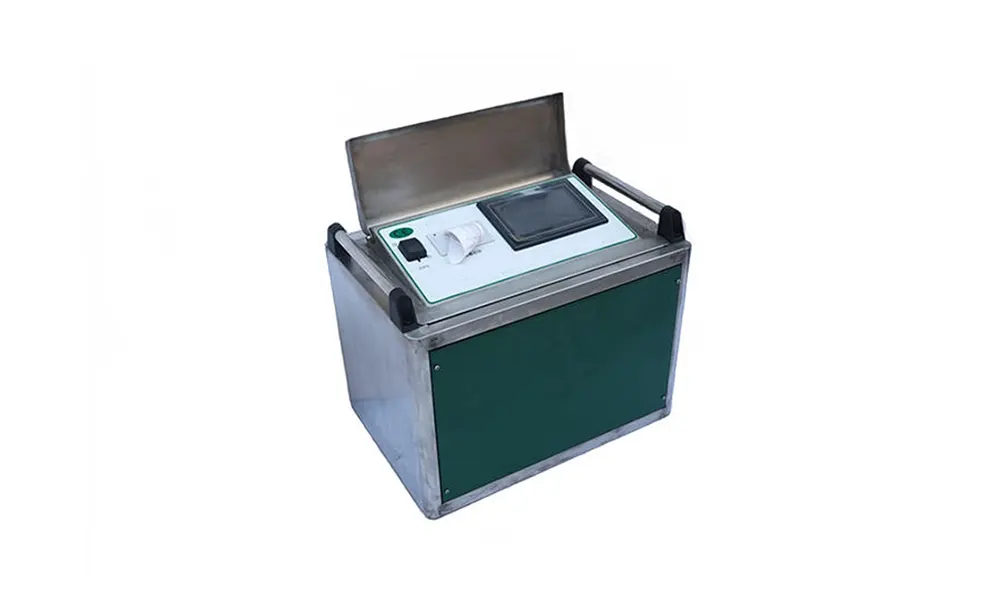
Modern gas utility specifications increasingly require recording every fusion joint parameter. CNC automatic machines and some advanced hydraulic rigs offer onboard data loggers that capture temperature, pressure profiles, and fusion cycle timing for each joint. This data provides a permanent quality record and satisfies traceability requirements under standards like ISO 12176-4 PE fusion traceability. If your project demands verified joint documentation, invest in a machine with integrated logging.
Manual vs. Hydraulic vs. CNC: Making the Right Call
Choosing between drive types depends on pipe diameter, wall thickness, project duration, and regulatory requirements. Here is a practical decision framework:
- Gas service lines up to 6 inches (approx. 160mm): A robust manual butt fusion welder with a calibrated heating plate and rigid frame suffices for most utility service connections. The relatively low fusion pressure requirement can be achieved with mechanical advantage from the clamp levers.
- Gas distribution mains from 6 to 24 inches (200mm–630mm): Step up to a hydraulic butt fusion welding machine. The hydraulic system provides controlled, measurable force that manual levers cannot match. These machines also handle heavier pipe schemata and offer smoother workflow on longer runs.
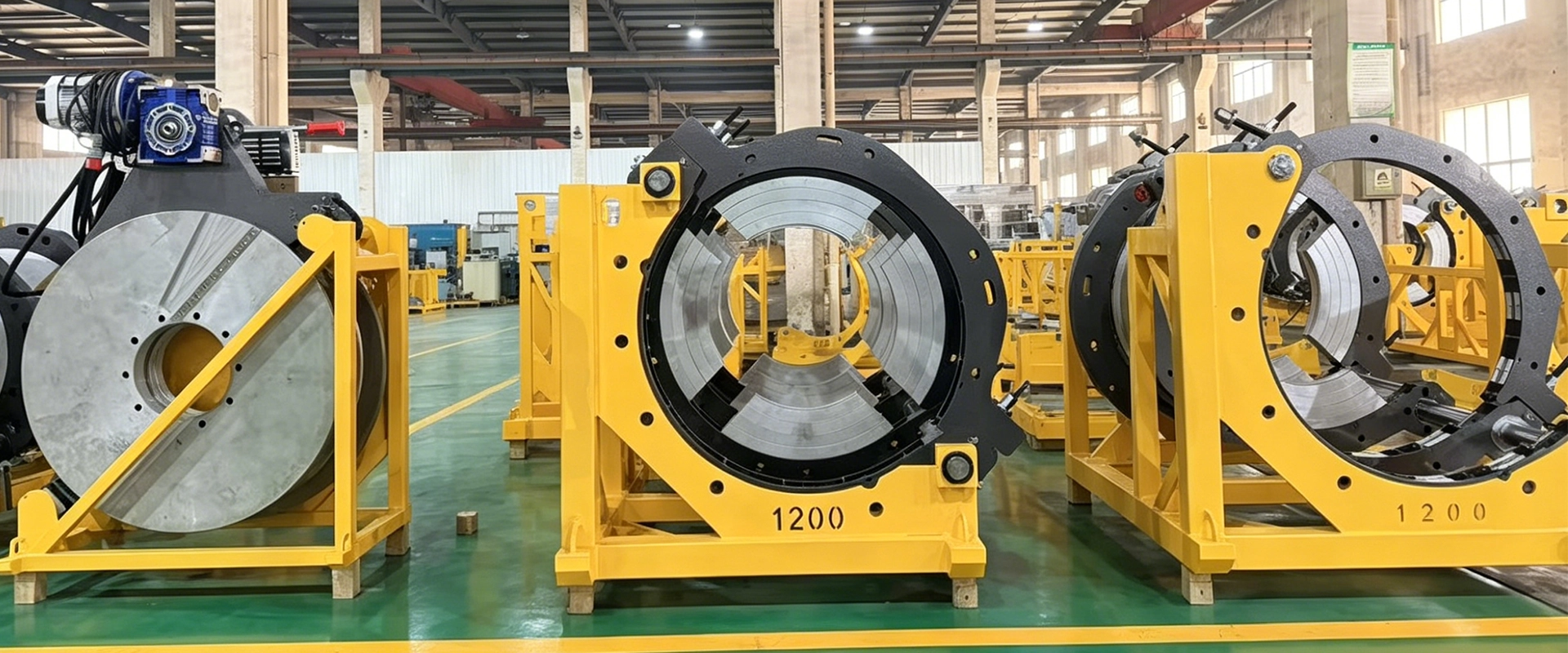
- Transmission pipelines above 24 inches and high-pressure gas: A CNC automatic butt fusion machine becomes essential. Automated cycle management eliminates operator variability, stores joint data, and can process large-diameter heavy-wall pipe safely. Some systems feature remote monitoring so supervisors can verify weld parameters from off-site.
Certifications and Compliance Considerations
Any HDPE welder for gas pipelines you select should be built to reference the relevant test and performance standards. While the machine itself may not carry a gas-specific certificate, its design parameters must support the welding procedure specifications (WPS) that your project requires. Confirm that the manufacturer can provide temperature calibration records, pressure gauge certifications, and clamp alignment verification. A manufacturer willing to share this documentation transparently is one that understands gas industry expectations.
Site Support and Operator Training
Even the best fusion machine underperforms in untrained hands. Gas company specifications often mandate heat fusion operator qualification under ASTM F3190 or equivalent local programs. When sourcing your equipment, consider the after-sales support package: does the manufacturer offer training materials, troubleshooting guides, and responsive technical help? Gas pipeline welding often occurs in remote locations, so downtime from a machine fault can delay an entire spread.
JQ-Fusion supplies a comprehensive range of HDPE pipe welding machines designed to meet the rigorous demands of gas pipeline contractors, with options spanning manual, hydraulic, and CNC automatic models to cover diameters from 63mm up to 2250mm. Our equipment supports consistent, traceable fusion quality for critical gas infrastructure projects worldwide.
Common Questions When Buying a Gas HDPE Welder
The purchasing process raises practical concerns. Here are quick answers to frequent questions:
- Can the same machine weld both gas and water pipes? Yes, the HDPE welder for gas pipelines itself is not application-specific. The difference lies in the operator qualification, WPS parameters, and often the data logging requirement. A hydraulic machine used for water main work can serve gas projects provided it meets the procedural specifications of the gas utility.
- What spare parts should we keep on hand? Heating plate surface coating, trimmer blades, clamp inserts, and hydraulic hose seals. These are wear items that affect joint quality if left unattended.
- How do we validate a machine before first use on a gas job? Perform a butt fusion procedure qualification trial as per ISO 21307 or ASTM F2620. Weld sample coupons and subject them to destructive testing — tensile, bend-back, or crush tests — to confirm the equipment setup produces acceptable joints.
Final Checklist Before Purchase
| Checklist Item | Why It Matters |
|---|---|
| Digital temperature control with ≥±5°C accuracy | Prevents oxidation or incomplete melt during heat soak |
| Rigid frame and clamp body construction | Maintains concentricity under fusion pressure |
| Calibrated pressure gauge and stable hydraulics | Ensures correct interfacial pressure per WPS |
| Replaceable coated heating plate | Non-stick surface prevents PE residue build-up |
| Data logging capability | Meets traceability demands for gas utilities |
| Manufacturer calibration and support documentation | Required for site acceptance and operator qualification |
Investing in the right HDPE welder for gas pipelines returns its value through reliable joints, regulatory compliance, and reduced repair downtime. By matching machine capabilities to your specific gas project scale, pipe sizes, and quality documentation needs, you set the foundation for a safe and profitable pipeline network.



