
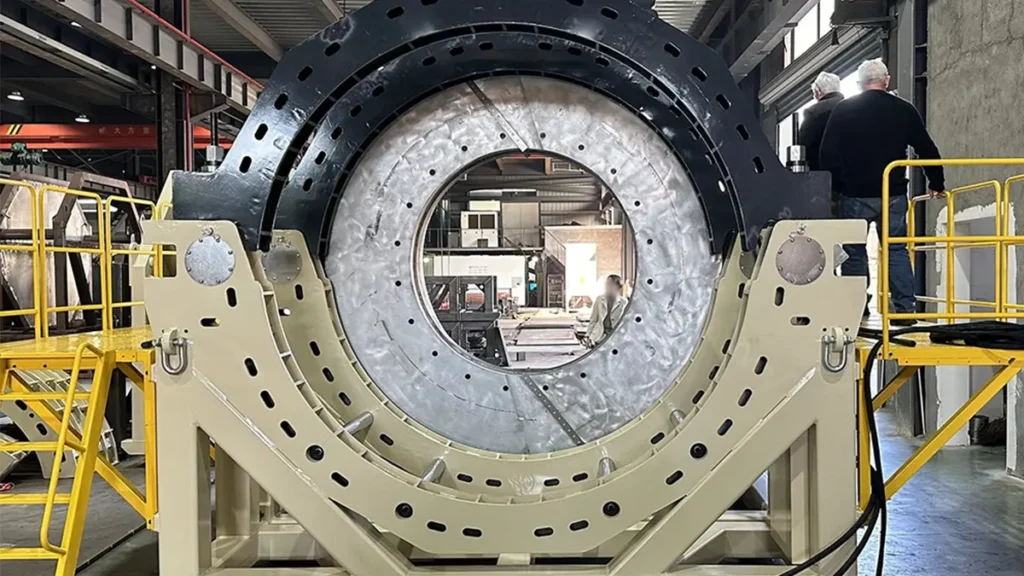
Somalia’s growing need for reliable water distribution, sanitation and infrastructure projects requires durable pipeline solutions. For contractors, municipal teams and humanitarian organizations working across urban centres and rural communities, selecting the right HDPE pipe welding equipment is critical. JQ-Fusion provides a range of butt fusion machines and technical support tailored to Somalia’s climates and logistics, ensuring safe, leak-free joints for potable water, irrigation and industrial pipelines.
HDPE Butt Fusion: Why It Works for Somalia
HDPE piping is widely used in Somaliland, Puntland and southern regions because it handles saline soils, floods and heat better than many traditional materials. Butt fusion welding creates homogeneous joints that are as strong as the pipe itself — an essential feature for long-life distribution networks and remote water supply schemes. The method reduces maintenance needs and lowers lifecycle costs, an important advantage for government projects and NGOs operating on tight budgets.
Matching Machine Types to Local Needs
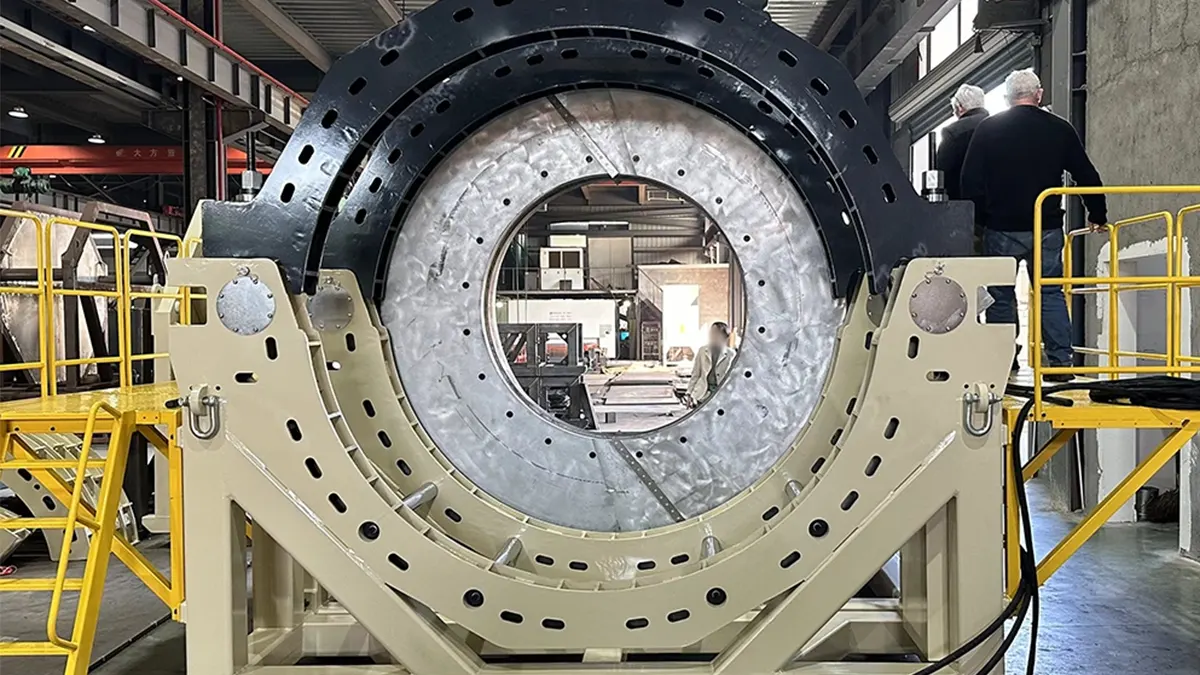
Different Somali projects call for different equipment. In villages and off-grid sites, compact manual units provide portability and easy maintenance. For large municipal mains, irrigation canals and industrial pipelines near ports like Mogadishu or Berbera, hydraulic and CNC automatic machines deliver the precision and throughput required for higher-volume welding.
Recommended Machine Roles
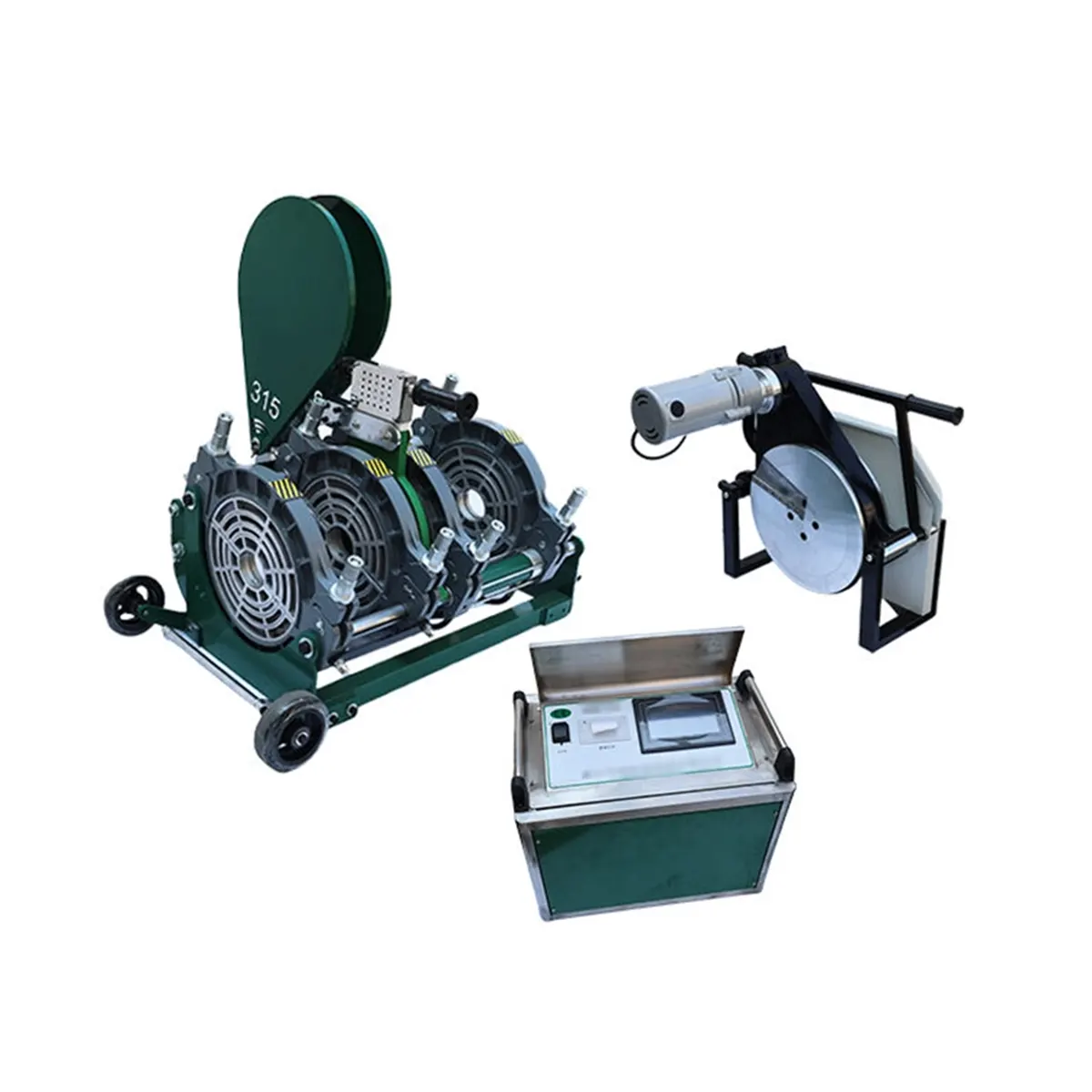
Manual/Portable – for remote waterpoints and on-site repairs carried out by small crews.
Hydraulic – for medium and large diameter mains used in city distribution and industrial installations.
Automatic/CNC – for large contractors handling repeated welds where speed and repeatability matter.
Practical Considerations for Somali Projects
Working in Somalia means planning for high temperatures, dust, and long transport distances. Choose machines with robust frames, sealed electronics, and readily available spare parts. Portable hydraulic power units and simple-to-service trimmers help local teams stay productive. Investing in operator training reduces welding defects and increases the longevity of the network.
Model Guide & Quick Specs
Below is a simple comparison of machine categories and suggested applications suited for Somalia’s varied project scales.
| Model / Category | Type | Pipe Range (mm) | Best Use |
|---|---|---|---|
| Manual Portable | Manual Butt Fusion | 20 – 315 | Rural waterpoints, repairs |
| Hydraulic Series | Hydraulic Butt Fusion | 160 – 2250+ | Municipal mains, irrigation |
| CNC / Automatic | Automatic Butt Fusion | 63 – 630 | Large contractors, high-volume projects |
Training, After-Sales & Local Support
For sustained performance in Somalia, combine equipment purchase with hands-on training for local welders and supervisors. Establish a parts and maintenance plan, and consider stationing spare heating plates, trimmers and hydraulic seals near main project hubs. Remote support and clear operation manuals in accessible languages improve first-time weld success rates.
Who Benefits Locally
Municipal utilities, irrigation agencies, NGOs delivering borehole and water-supply programs, private contractors upgrading urban networks, and logistics companies supporting port and industrial zones will all see immediate gains from reliable HDPE welding equipment. Small community teams also benefit from portable machines that reduce dependence on external service providers.
Quick Tips for Procurement in Somalia
1) Prioritize rugged frames and sealed controls for dusty coastal sites.
2) Balance portability with capacity — choose manual units for remote repairs and hydraulic/automatic for large pipeline installs.
3) Confirm spare parts lead times and shipping routes to Mogadishu, Berbera or Bosaso.
For tailored butt fusion solutions and global delivery, JQ-Fusion offers models and support packages designed to meet Somalia’s water, sanitation and industrial pipeline needs.



