
Algeria’s expanding water, gas and agricultural irrigation networks demand dependable HDPE pipe jointing solutions. Choosing the right butt fusion or electrofusion equipment reduces leak risks, speeds installation in remote desert areas, and ensures long-term performance for municipal and industrial projects across the country.
Why Algeria Needs Reliable HDPE Pipe Jointing Machines
Harsh climate and remote work sites make robust, easy-to-maintain machines essential. From coastal port cities like Oran to inland oil and gas fields and rural irrigation projects in the High Plateaus, Algerian contractors need equipment that tolerates high temperatures, dusty conditions, and long transport distances.
Key Applications in the Algerian Market
Water supply — potable distribution and treatment plants require certified, leak-free joints. Gas distribution — safety and consistent fusion quality are critical. Agriculture & mining — durable machines that handle variable pipe sizes and rough field conditions improve uptime.
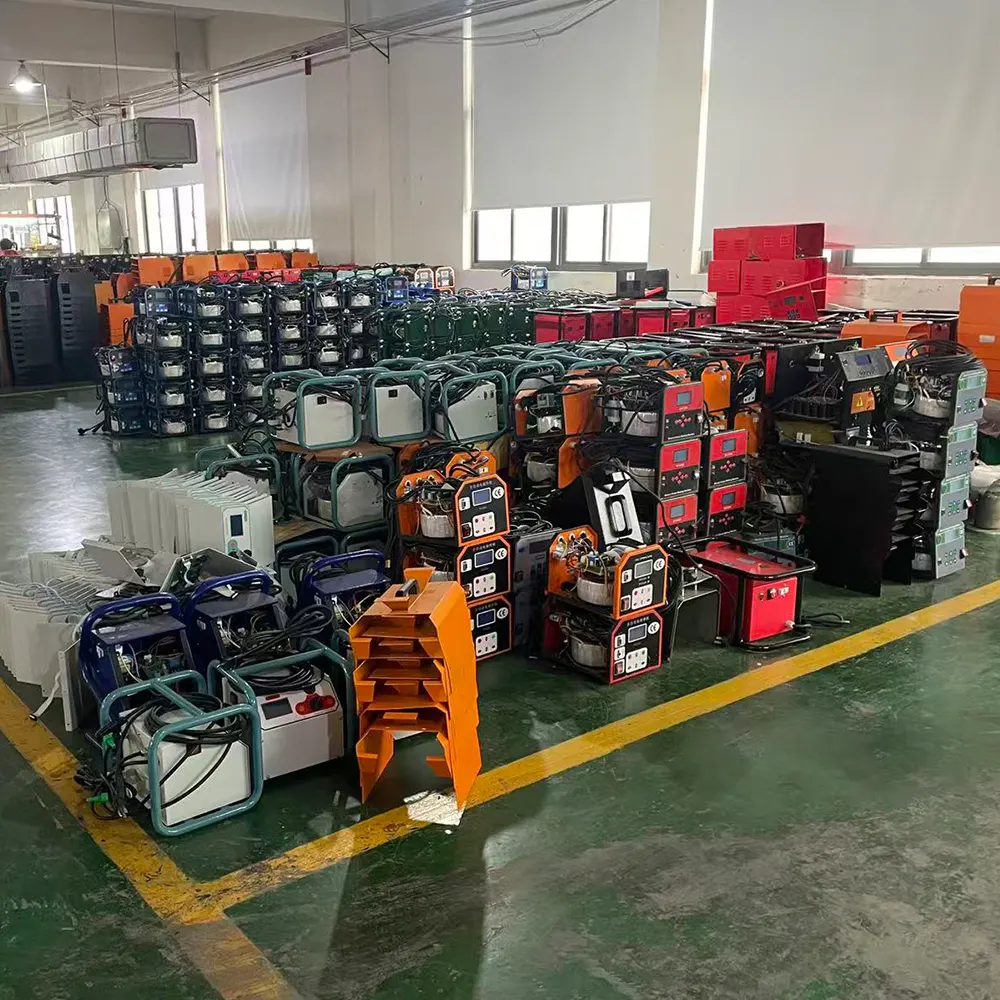
Types of HDPE Pipe Jointing Machines
Understanding the main machine categories helps buyers match equipment to project scale, crew skill level, and budget.
| Machine Type | Pipe Range | Best For | Benefits |
|---|---|---|---|
| Manual Butt Fusion | 20mm – 630mm | Small teams, remote sites | Portable, low cost, simple maintenance |
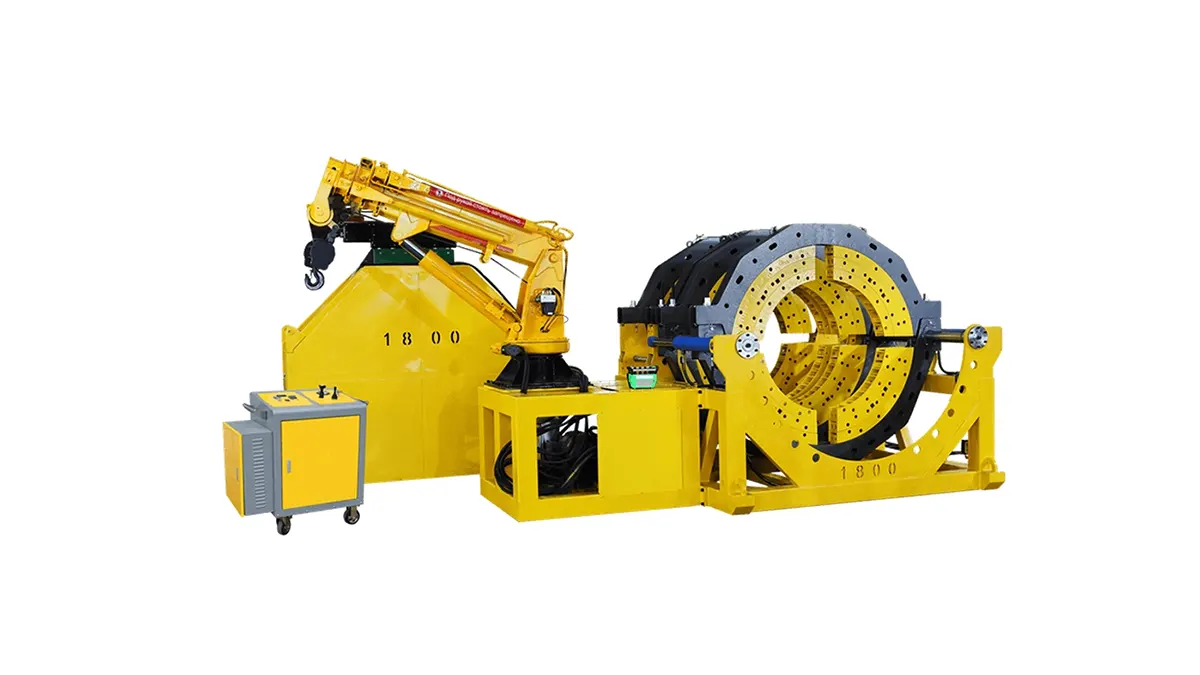
| Hydraulic Butt Fusion | 160mm – 2250mm+ | Large-diameter pipelines, industrial | High pressure accuracy, stable heating |
| CNC / Automatic Butt Fusion | 63mm – 1600mm+ | High-volume, precision welding | Repeatable cycles, digital traceability |
| Electrofusion Machines | Fittings, small-diameter pipes | Service connections, repair work | Fast, ideal for confined spaces |
Choosing the Right Machine for Algerian Projects
Project scale: long trunk lines benefit from hydraulic or CNC machines; small rural repairs may only need electrofusion or manual units.
Transport and site access: portable manual machines reduce mobilization time for desert or mountain sites. Consider machine weight and required tools for customs and road regulations.
Operator skill and training: automatic systems lower operator variability but require initial training and spare parts planning.
How to Evaluate a Supplier in Algeria
Look for suppliers that provide clear technical data, local or regional support, spare parts availability, and training options. Warranty terms and easy access to consumables like heating plates and clamps are vital for ongoing projects.
Trusted Manufacturer Example
JQ-Fusion (https://jq-fusionwelding.com/) manufactures a full range of manual, hydraulic and CNC automatic butt fusion welding machines, supporting global infrastructure needs with durable, customizable solutions and responsive service.
Local Support & After-Sales Considerations
Confirm the supplier or distributor can handle customs documentation, shipping to Algerian ports, and provide remote or onsite training. For long pipeline runs, ensure fast access to replacements for heating elements, hydraulic oil, and electrical components.
Quick Buying Checklist
1. Define pipe diameters and expected daily joint counts.
2. Match machine type to field conditions and crew skills.
3. Verify spare parts availability and warranty terms for Algeria.
4. Ask for welding certificates, user manuals in English/French/Arabic, and training options.
5. Factor in transport logistics to nearest Algerian port and installation site.
Final Advice for Algerian Buyers
Select equipment that balances portability, precision and after-sales service. Prioritize machines with documented performance, easy maintenance, and accessible technical support so Algerian contractors can finish projects on time and within budget.



