
Choosing the best electrofusion welding machine in Norway means balancing cold-weather reliability, site portability for remote fjord and mountain jobs, and compliance with European piping standards. This guide explains what Norwegian contractors, municipal utility crews, and gas installers should look for when buying an HDPE electrofusion unit and highlights the practical features that matter on Scandinavian projects.
Why Electrofusion Works Well for Norwegian Projects
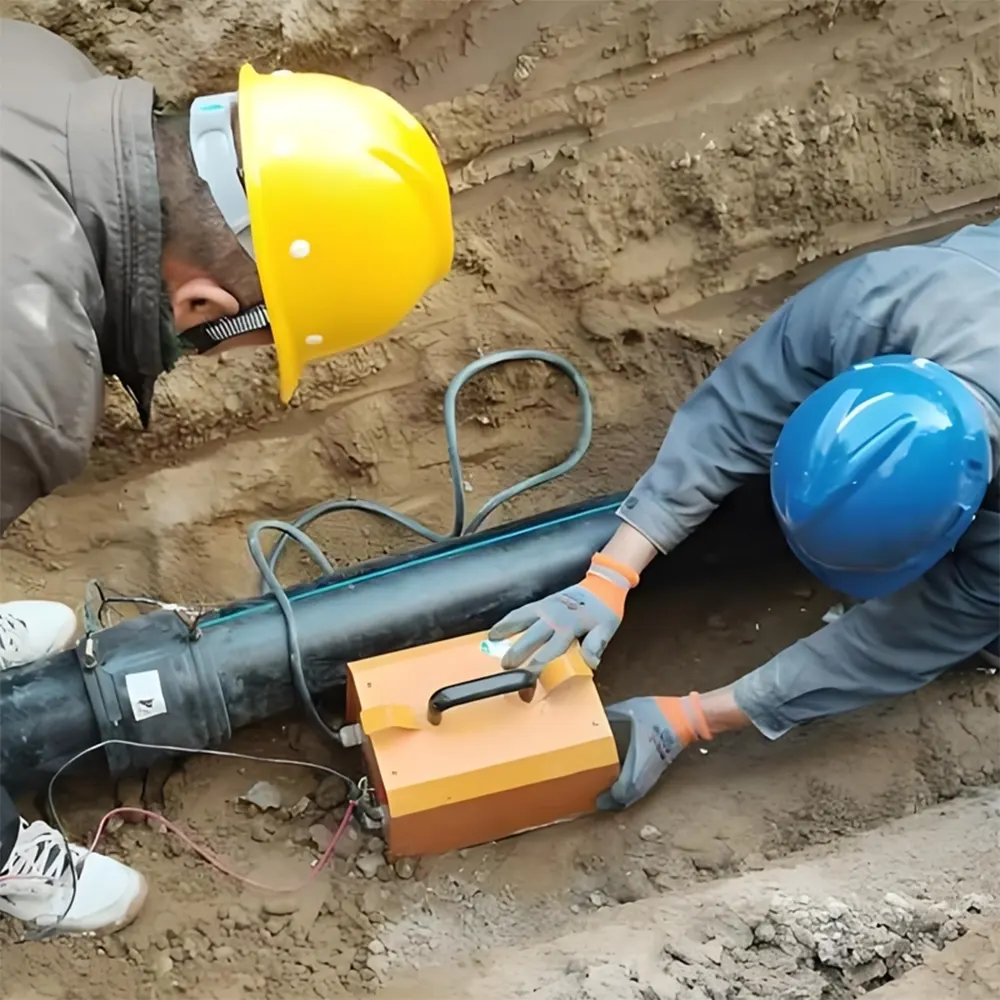
Electrofusion welding is ideal in Norway because it creates leak-free joints with long service life, important for harsh climates and remote installations. Typical local uses include drinking water networks, district heating branches, gas distribution to rural communities, and demanding industrial piping applications near ports and mines.
Key local considerations:
- Cold performance: Machines must perform reliably at low temperatures and work with contractors using insulated jackets or heated shelters.
- Portability: Many sites are remote — ferries, mountain roads, or offshore platforms — so lightweight, rugged units win.
- Standards: Compliance with EN 12201 (HDPE piping) and CE markings simplifies approvals for municipal and industrial projects in Norway.
Top Features to Prioritize
When comparing electrofusion welders, focus on features that reduce rework and increase uptime on Norwegian jobsites:
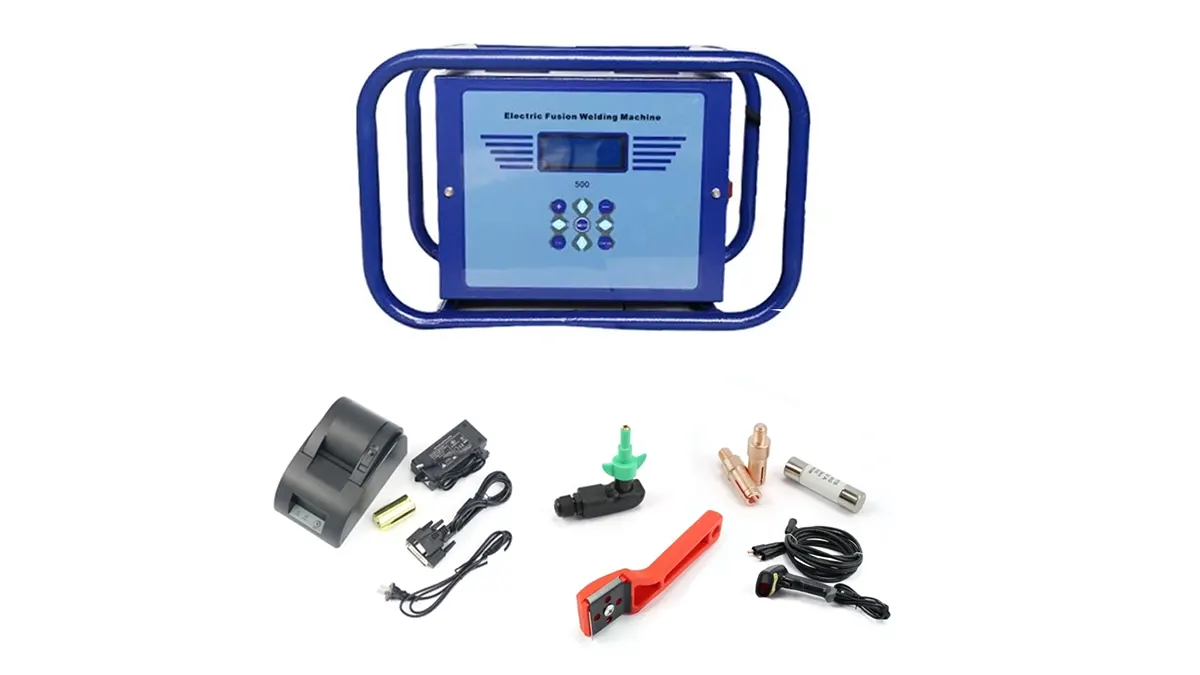
- Accurate current control — consistent heating cycles reduce cold welds in low ambient temperatures.
- Built‑in logging and traceability — essential for municipal contracts that require weld records and QR-code job tracking.
- Portability & battery operation — units that can run on 230V or internal batteries are valuable in remote locations.
- Robust enclosure & IP rating — water and dust protection for work near coastlines and rainy conditions.
- User-friendly controls — multilingual displays and simple prompts speed training and reduce operator error.
Power & Voltage Notes for Norway
Most Norwegian sites supply 230V / 50Hz power. Electrofusion machines that also accept DC battery packs or have optional generators make installations smoother in cabins, remote roads, or temporary camps. Choose units that indicate clear power ranges and have low start-up current to avoid tripping site protections.
Quick Comparison Table — Practical Models for Norwegian Conditions
| Model | Pipe Range (mm) | Power / Source | Best For |
|---|---|---|---|
| JQEA Electrofusion Unit | 20 – 630 | 230V / Battery option | Municipal water networks, medium-large assemblies |
| Compact Portable Unit | 20 – 160 | 230V / Lightweight battery | Rural gas & service connections |
| High-Capacity Station | 160 – 1000+ | 3‑phase / Stable mains | Large industrial and pipeline projects |
Installation Tips for Cold Weather
To avoid welding defects during Norwegian winters:
- Preheat pipes indoors or use insulated wraps if temperature is below the machine’s rated minimum.
- Keep electrofusion fittings dry and free of frost before welding.
- Follow weld time/pressures exactly — automated machines with stored programs reduce operator variability.
Service, Training & Local Support
Choose suppliers that provide calibration, spare parts, and operator training. For Norway, look for vendors offering:
- Quick spare-part delivery to Oslo, Bergen, and Stavanger hubs;
- On‑site training or certified instructors familiar with EN 12201 requirements;
- Remote technical support for weld-logging and machine diagnostics.
About the Manufacturer
JQ-Fusion is a professional manufacturer specializing in HDPE pipe welding machines, providing reliable butt fusion solutions for global infrastructure projects. With years of industry experience, they develop manual, hydraulic, and CNC automatic butt fusion welding machines covering a wide range of pipe sizes. For Norwegian buyers, their lineup includes portable electrofusion units, high-capacity machines, and options tailored for cold-climate and remote-site use: https://jq-fusionwelding.com/
Final Recommendation
For most Norwegian contractors the best choice is a rugged electrofusion unit with accurate current control, battery backup, and weld logging. If you need portability for fjord or mountain jobs, prioritize a lightweight model with a reliable battery; for large municipal or industrial pipelines, select a high-capacity unit with stable mains power and automated programs. Confirm EN compliance, service availability, and user training before purchase to ensure smooth project delivery across Norway’s varied terrain.



