
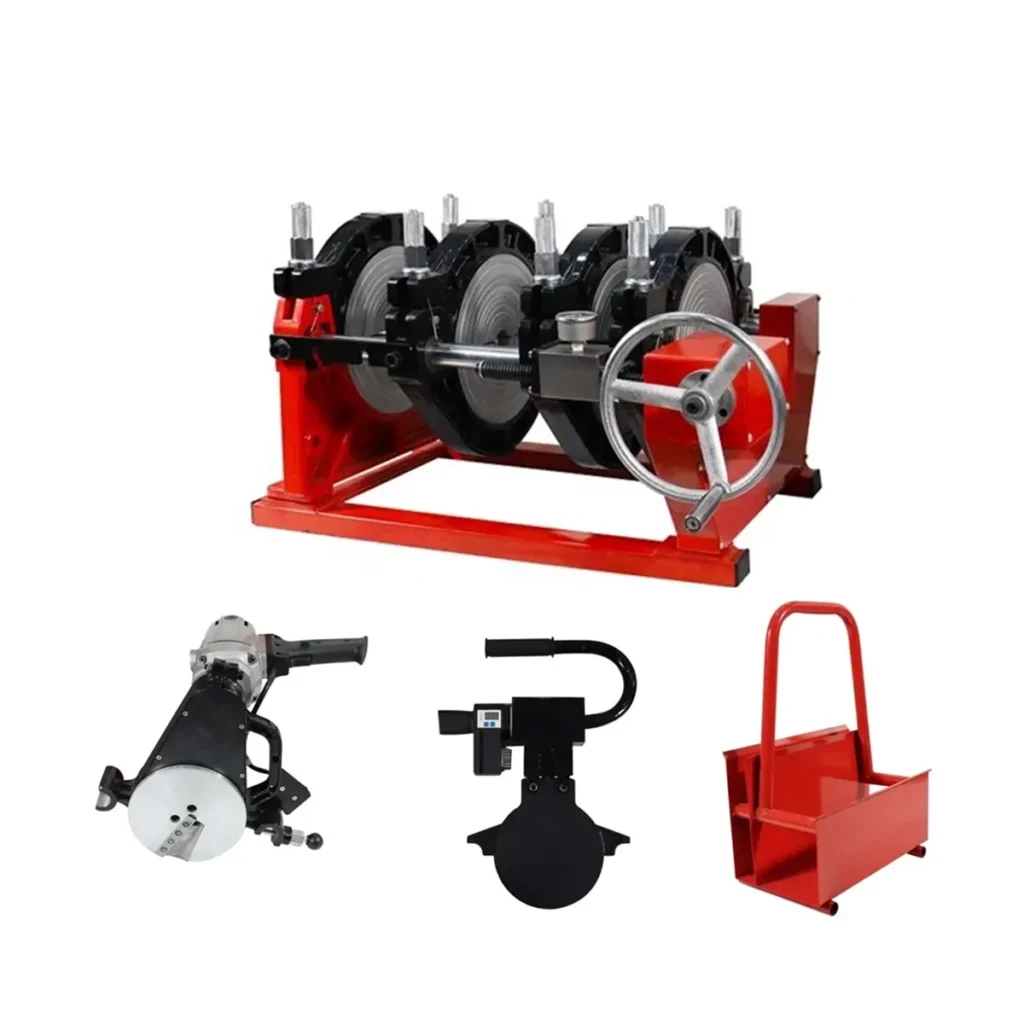
In Niger, where water infrastructure, mining operations, and rural electrification projects demand durable pipeline connections, choosing the right pipe welding solution is essential. Reliable butt fusion and HDPE fusion techniques deliver long-term integrity for pipelines facing extreme heat, dust, and remote installation conditions.
Why Reliable Butt Fusion Welding Matters in Niger
Butt fusion welding creates homogenous joints that resist leaks, corrosion, and mechanical stress — critical benefits for Niger’s water supply lines, gas distribution, and uranium mining pipelines. For municipalities, NGOs, and contractors working across long distances and harsh terrain, consistent weld quality reduces rework, minimizes downtime, and protects scarce project budgets.
Equipment Options for Local Conditions
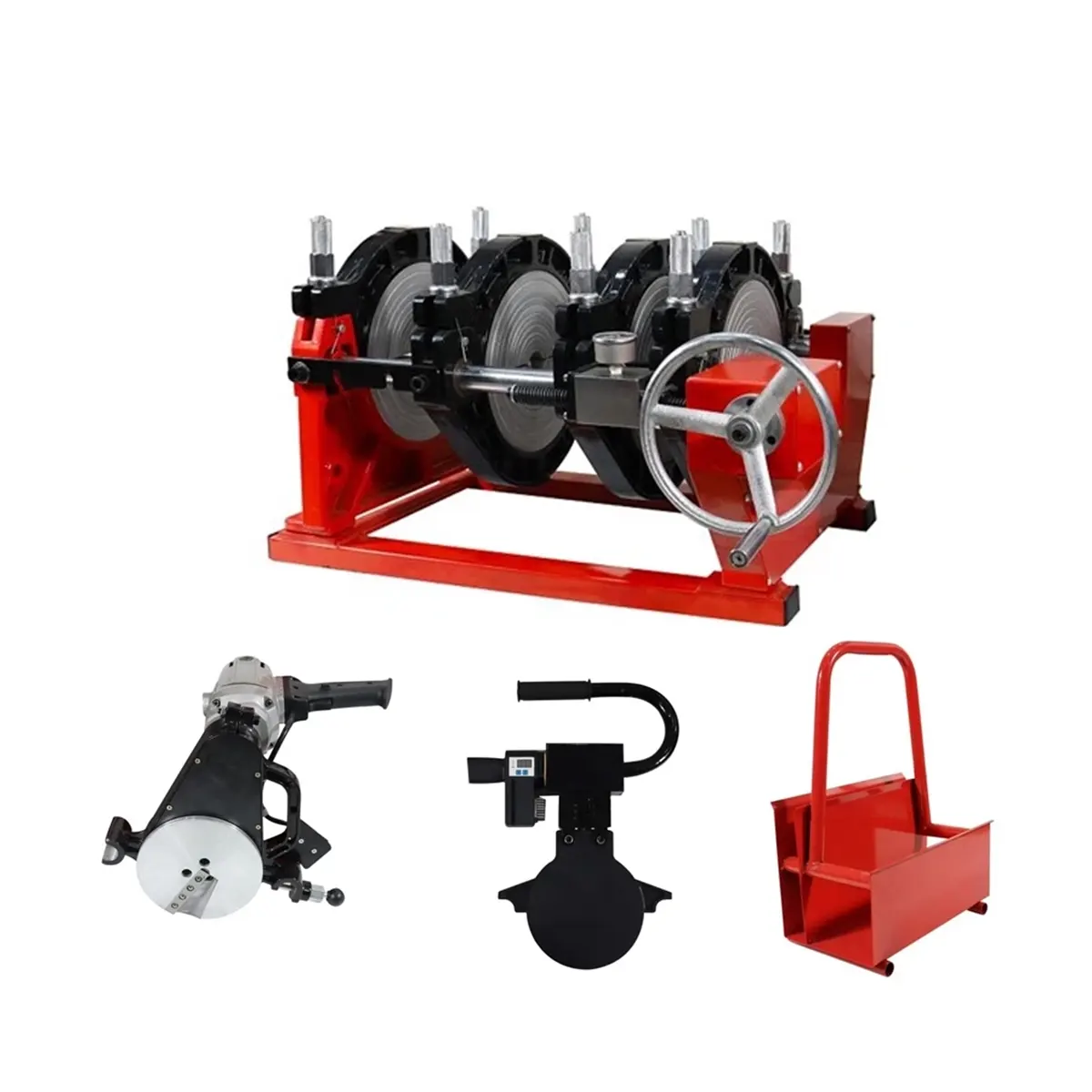
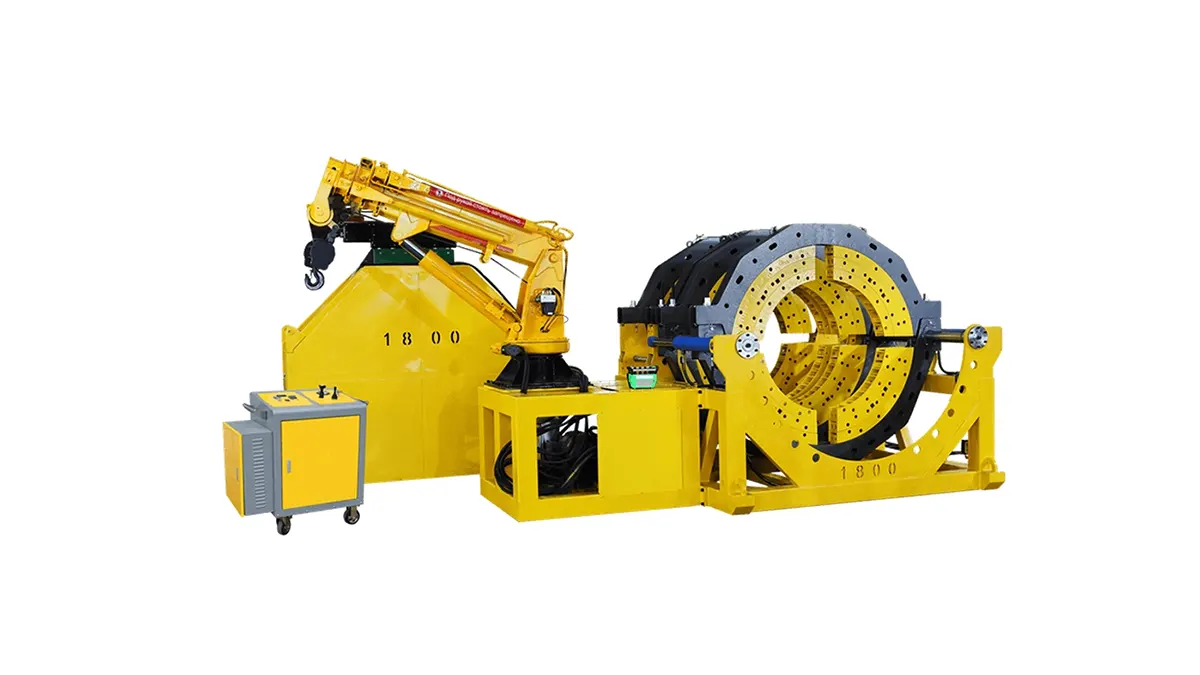
Projects in Niger often require a mix of portable and robust equipment: manual machines for remote village connections, hydraulic units for medium-sized municipal networks, and CNC automatic systems for large-diameter industrial pipelines. Selecting the right machine improves field efficiency, fuel logistics, and operator safety.
For reliable sourcing and technical support, consider established manufacturers with global experience and adaptable product ranges — an example is JQ-Fusion, which offers manual, hydraulic, and automatic butt fusion machines suitable for diverse pipe diameters.
Key Benefits for Niger Projects
Durability: Welded HDPE joints withstand thermal cycling and UV exposure common in the Sahel.
Low maintenance: Fusion joints eliminate the need for frequent clamps or seals, reducing long-term operational costs.
Field-friendly: Manual and compact hydraulic machines allow teams to work in off-grid locations with limited infrastructure.
Scalability: From small rural water systems to large mining pipelines, compatible machine ranges support phased expansion.
Quick Comparison: Machine Types
| Machine Type | Best For | Advantages |
| Manual Butt Fusion | Remote villages, small diameter pipes | Lightweight, portable, cost-effective |
| Hydraulic Butt Fusion | Municipal networks, medium diameters | Stable pressure control, faster cycles |
| Automatic/CNC Systems | Large-diameter pipelines, industrial projects | Precision, data logging, high throughput |
Practical Considerations for Niger
Logistics: Niger is landlocked and projects often rely on regional ports and secure inland transport. Prioritize suppliers with export experience, spare parts availability, and clear shipping plans.
Training: Local technicians and project teams benefit from hands-on training and simple operation manuals translated into French or local languages. Investment in operator training reduces weld failures and improves safety.
Service & Support: Choose equipment with accessible service channels, spare part kits, and field-calibration procedures — especially important where return trips are costly.
Who Benefits Locally
Municipal engineers upgrading water systems, mining operators managing fluid transport, NGOs implementing rural sanitation projects, and local contractors delivering pipeline networks can all gain from robust HDPE welding solutions. Well-chosen equipment helps communities access safer water, supports economic activity, and reduces environmental risk from leaks.
Getting Started with Efficient Welding Services
Map your pipeline scope, choose machines based on pipe diameters and site conditions, plan spare parts and training, and schedule pilot welds to validate parameters. With the right approach, projects across Niger can achieve durable, cost-efficient pipeline systems that stand up to local environmental challenges.



