
Choosing the right HDPE pipe connection equipment is critical for creating strong, leak-free joints on water, gas, mining, and industrial projects. This guide helps contractors, engineers, and procurement teams evaluate butt fusion, electrofusion, and fitting-welding machines so you can pick tools that deliver consistent results, fast cycle times, and long-term reliability.
Understand the Main Welding Methods
Butt fusion and electrofusion are the two dominant techniques for HDPE pipe joining. Butt fusion melts pipe ends directly using a heating plate, producing homogenous joints ideal for high-pressure lines. Electrofusion uses pre-molded fittings with embedded heating coils and excels in repairs, complex fittings, and confined spaces.

Key Factors to Consider When Selecting Equipment
1. Pipe Diameter Range
Match machine capacity to your project pipes. Manual and small hydraulic units suit DN20–DN315; heavy-duty hydraulic and automatic CNC machines cover DN315–DN2250 and above. Always select equipment with a margin above the largest diameter you plan to weld.
2. Automation Level & Productivity
Manual machines are low-cost and portable. Hydraulic machines add power and consistency. Automatic/CNC units provide precise parameters, digital control and logging—valuable for large infrastructure projects where traceability matters.
3. Project Environment
Consider site conditions: remote locations benefit from rugged, portable units with low power needs; factory prefabrication favors CNC automatic machines for throughput; urban repair work often leans on electrofusion systems for tight access.
4. Operator Skill & Training
Equipment that reduces operator variability will lower rework. Automatic machines and guided electrofusion units can shorten learning curves and improve first-pass success rates.
5. Serviceability & Spare Parts
Check vendor support, spare parts availability, and local service options. Long-term uptime depends on quick access to consumables like heaters, clamps, and hydraulic components.
Quick Comparison Table: Equipment Types
| Equipment | Typical Diameter Range | Strengths | Best Use |
|---|---|---|---|
| Manual Butt Fusion | DN20–DN315 | Portable, low cost | Smaller jobs, remote sites |
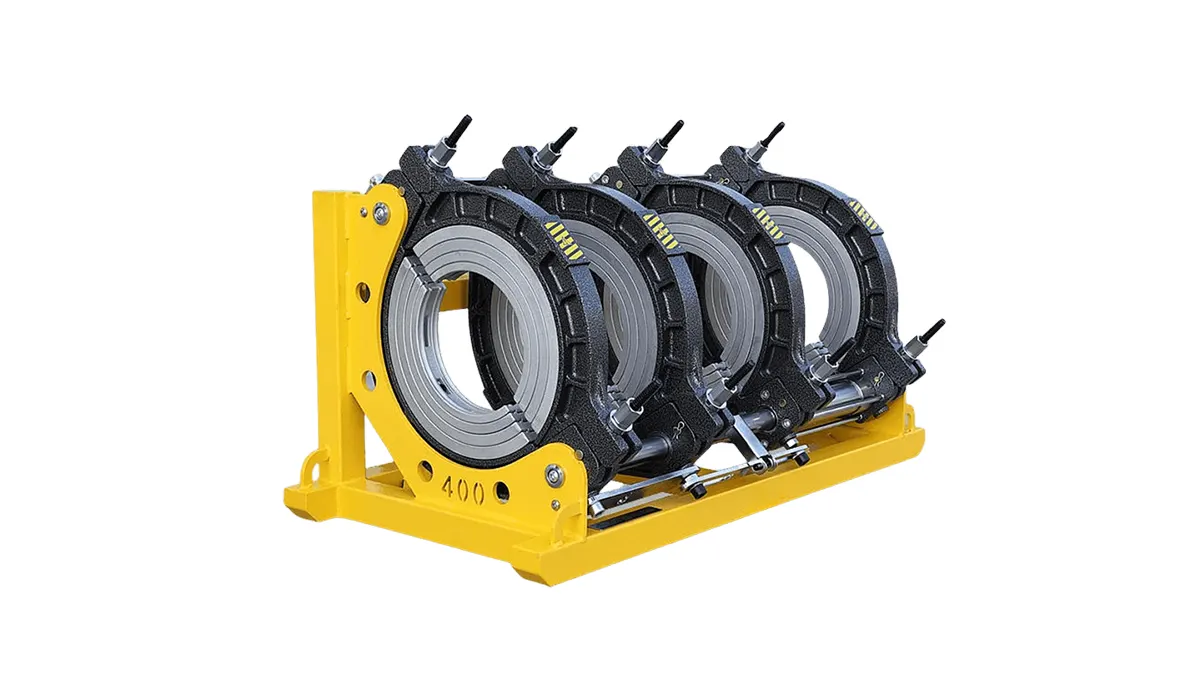
| Hydraulic Butt Fusion | DN63–DN1400+ | Powerful, consistent pressure control | Medium to large pipelines |
| Automatic/CNC Butt Fusion | DN315–DN2250+ | Digital control, logging, high throughput | Large infrastructure & prefabrication |
| Electrofusion | DN20–DN630 (fittings vary) | Fittings-based, ideal for repairs & complex joints | Repairs, service lines, tight spaces |
Practical Selection Checklist
Before purchase or rental, confirm: required diameter capacity, automation needs, power source (electric/hydraulic), site transport constraints, operator certification requirements, and warranty/service terms.
Tips to Maximize Joint Reliability
Pre-weld Preparation
Clean pipe ends, ensure correct alignment and temperature, and follow standardized heating/cooling cycles. Good tooling reduces cold or weak joints.
Use Certified Parameters
Rely on manufacturer or standard fusion parameters and log each weld when possible. Automatic machines streamline parameter control.
Regular Maintenance
Keep heaters, clamps, and hydraulic circuits in top condition. Replace worn components to maintain pressure accuracy and surface quality.
Where to Source Reliable Equipment
For dependable butt fusion and electrofusion solutions, evaluate manufacturers with a proven track record in HDPE welding technology and global support networks. JQ-Fusion offers a wide range of manual, hydraulic and automatic butt fusion welding machines suitable for water, gas, mining and industrial pipelines: https://jq-fusionwelding.com/
Final Guidance
Selecting the right HDPE pipe connection equipment means balancing capacity, automation, site constraints, and long-term support. Prioritize machines that reduce operator variability and provide traceable weld records for critical infrastructure projects. With the right tools and trained operators, you’ll achieve durable joints and dependable pipeline performance.



