
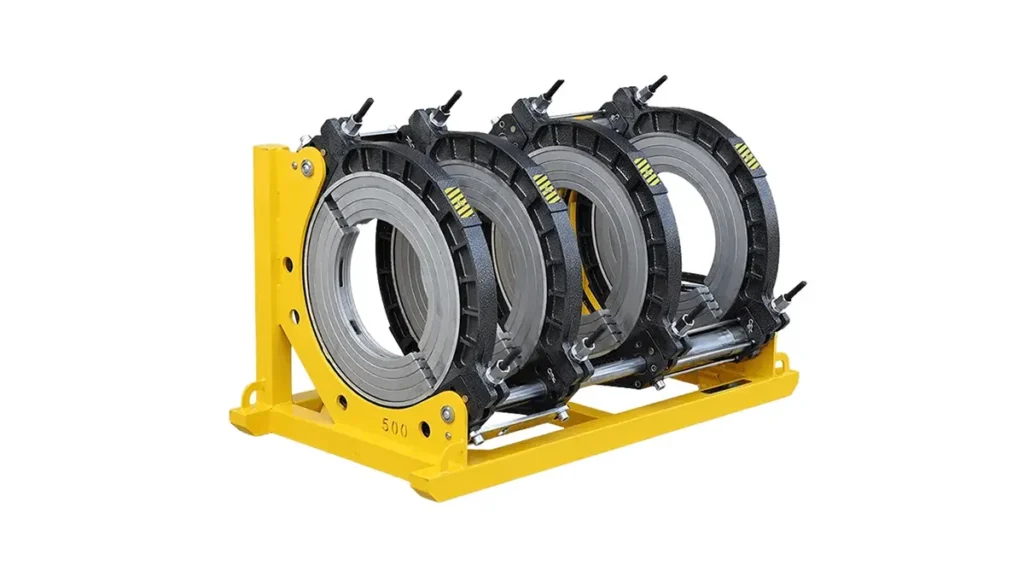
Choosing the best HDPE pipe jointing machine in Germany means balancing precision, certification, and on-site practicality. With major infrastructure projects, strict standards and cold-weather performance matter — so this guide highlights what German contractors, utilities, and pipeline installers should look for and which machine types deliver the most reliable results.
Why German Projects Demand High-Quality HDPE Jointing Machines
Safety, traceability, and regulatory compliance are top priorities for water, gas, and industrial pipeline works in Germany. Many projects reference DIN standards and industry best practices; installers often prefer equipment that supports documented weld records, repeatable cycles, and stable heating plates for consistent fusion quality — especially when working in colder regions like Bavaria or near the North Sea coast.
Key local considerations
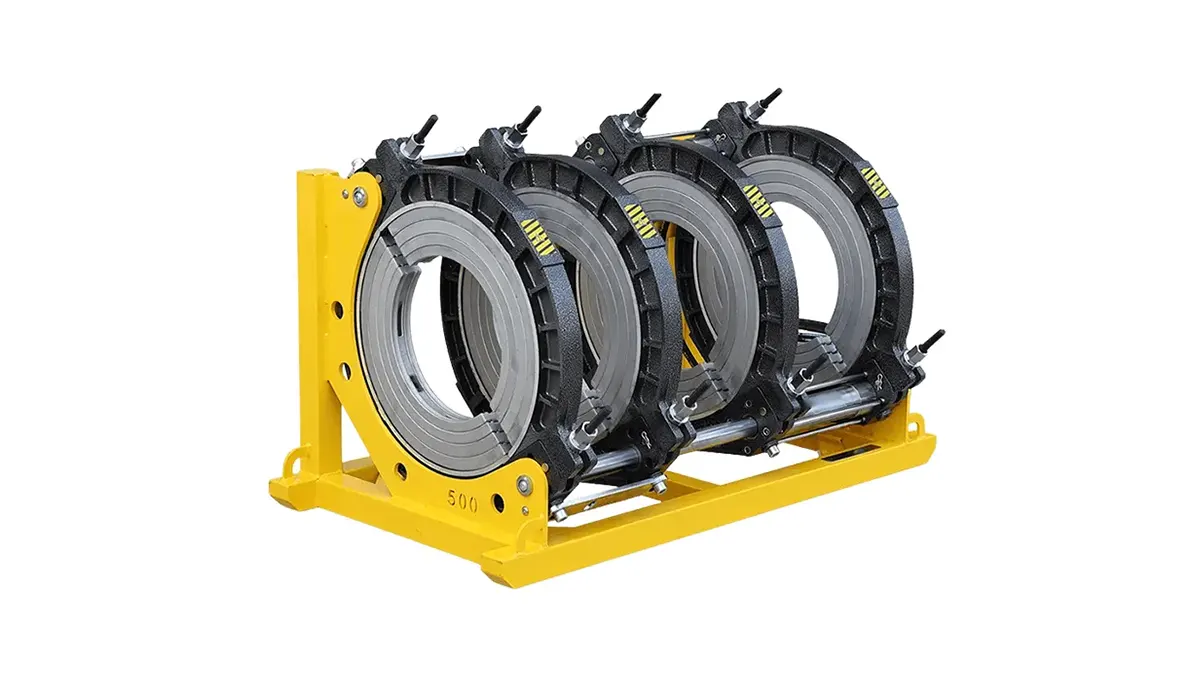
German pipeline owners commonly require machines with: clear operational manuals in German or English, robust build quality for frequent use on municipal projects, and optional data-logging to meet acceptance tests. Portability for urban jobs and heavy-duty frames for large-diameter mains both have their place depending on the contract.
What to Look For: Core Features and Specs
Heating plate stability, accurate pressure control, alignment clamps, and a reliable hydraulic system are non-negotiable. For larger diameter pipes, hydraulic butt fusion units with high travel and strong clamps provide the force and stability required for defect-free welds. For small diameters or repair work, lightweight manual or electrofusion options can be faster and more economical.
Technical checklist
– Welding range (OD) and compatibility with PE100/PE80 materials
– Pressure/force control accuracy and readout
– Heating plate quality and temperature stability
– Data logging/printable weld reports for project records
– Spare parts availability and local service support in Germany
Top Machine Types for German Jobs: Quick Overview
Selecting between manual, hydraulic, and CNC automatic butt fusion machines depends on project scale and budget. Below are the typical choices for German contractors:
| Machine Type | Best For | Typical Diameter Range | Primary Benefit |
|---|---|---|---|
| Manual Butt Fusion | Small pipelines, repairs, low-budget sites | 20–315 mm | Low cost, portable, easy to operate |
| Hydraulic Butt Fusion | Municipal water, gas mains, medium to large sites | 63–2250+ mm | High clamping force, repeatable welds, robust for heavy use |
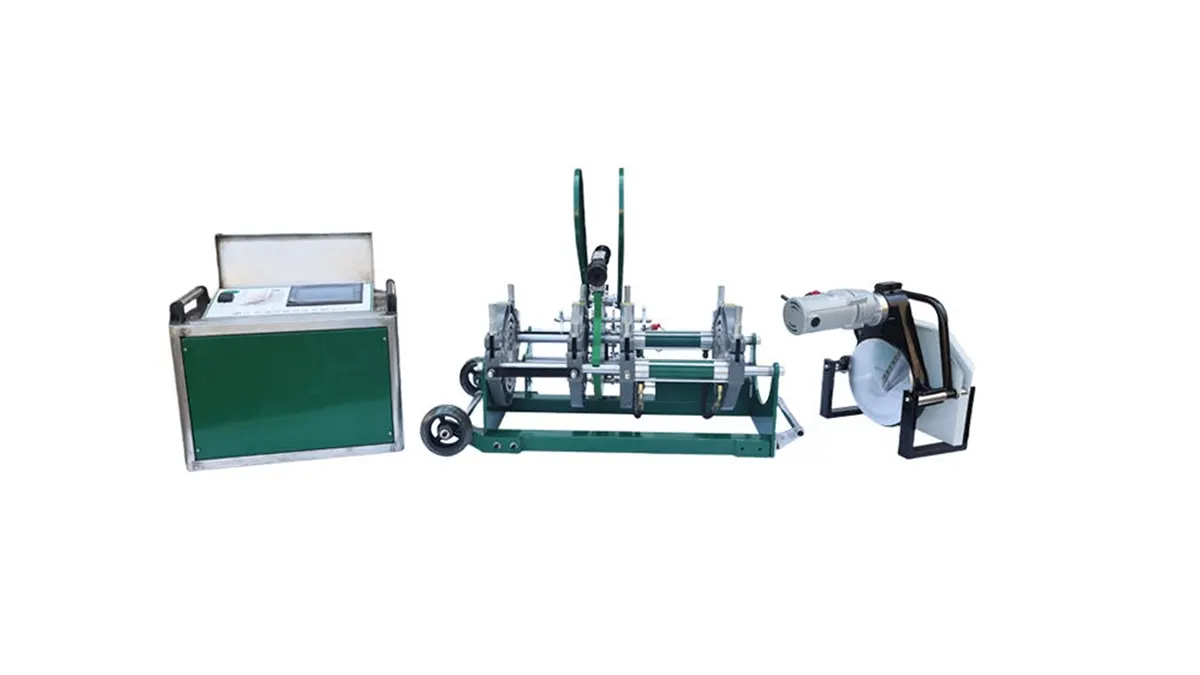
| Automatic/CNC Butt Fusion | Large-diameter lines, high-volume production, quality-critical projects | 160–1250+ mm | Full process control, data recording, consistent cycle repeatability |
Recommended Models by Use Case
Urban service & repair work
Compact manual butt fusion machines are ideal for trenchless repairs and quick street-side fixes. Their portability and simple maintenance suit small municipal crews who need dependable equipment without heavy transport costs.
Regional distribution mains
Hydraulic butt fusion machines are the standard choice for connecting medium and large mains. Choose units with precise pressure gauges and solid clamp frames to ensure weld integrity across the entire line.
Large infrastructure and industrial projects
Automatic or CNC butt fusion systems offer the best documentation and repeatability for high-value projects. Features like programmable cycles, weld logs, and touchscreen controls make acceptance testing and audits straightforward.
Maintenance, Training, and Certification
Regular maintenance keeps machines welding reliably in variable German climates. Recommended practices include checking hydraulics for leaks, keeping heating plates clean and flat, and calibrating pressure gauges annually. For installers, formal butt fusion training and certificate courses improve weld quality and reduce rework.
Buying in Germany: support matters
When sourcing equipment, factor in local service, spare parts lead time, and trainer availability. For a balance of global manufacturing experience and project support, consider direct supplier channels that can provide documentation and parts quickly. More information is available from JQ-Fusion at their website.
Quick FAQs
Do German projects require DVGW certification for fusion works?
While DVGW focuses on gas and water system safety, many German contracts expect compliance with DIN standards and documented welding procedures; always verify contract-specific acceptance criteria.
Which is better for winter work: hydraulic or manual?
Hydraulic units with stable heating plates and insulated operations handle cold better for larger diameters. For small repairs, manual units with proper site warming precautions can be effective.
How important is data logging?
Data logging is increasingly required on larger projects and by public utilities for traceability. Automatic machines simplify compliance with traceability and quality assurance demands.
Next steps for buyers
Assess your typical job sizes, required documentation, and local support needs. Request machine demos where possible, confirm spare-part availability in Germany, and verify that operator training or manuals match your team’s language and skill level.



