
As Iraq invests in infrastructure rehabilitation and new utilities, reliable HDPE welding solutions are essential for long-lasting pipelines. Industrial contractors, municipal water authorities, and oil & gas operators increasingly depend on proven butt fusion technology to ensure leak-free joints in water supply, gas distribution, irrigation, and industrial piping projects across Baghdad, Basra, Erbil and the Kurdistan region.
Trusted HDPE Welding Equipment for Iraq’s Industrial Projects
Choosing the right welding equipment improves installation speed, reduces rework, and meets international safety standards. Modern butt fusion machines—ranging from manual units to hydraulic and CNC automatic systems—deliver consistent fusion results on PE100 and PE80 materials used in many Iraqi projects.
Benefits of High-Quality HDPE Welders
Durability: Robust frames and hardened clamping systems resist harsh site conditions and frequent transport between project locations. Repeatability: Controlled heating and precise alignment deliver consistent fusion strength. Versatility: Machines support a wide diameter range for municipal networks, agricultural pipelines and industrial transfer lines.
Common Machine Types
Manual Butt Fusion Machines
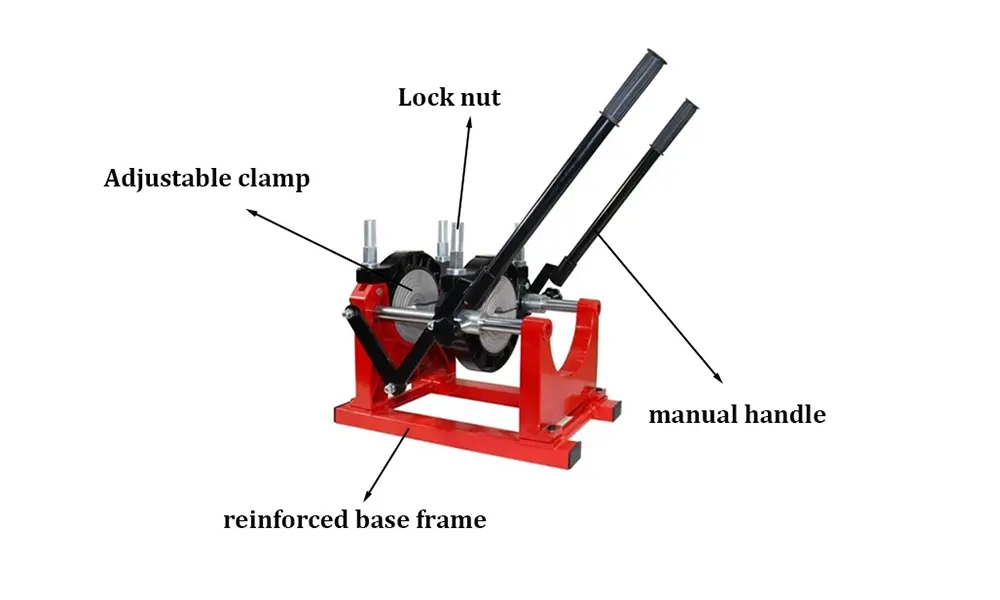
Ideal for small- to medium-diameter installation and remote sites, manual machines are lightweight, easy to operate and cost-efficient for smaller contractors.
Hydraulic Butt Fusion Machines
Hydraulic units provide controlled pressure for larger diameters and heavy-duty projects. They are favored by large contractors and pipeline crews handling high-volume installations.
Automatic & CNC Butt Fusion Machines
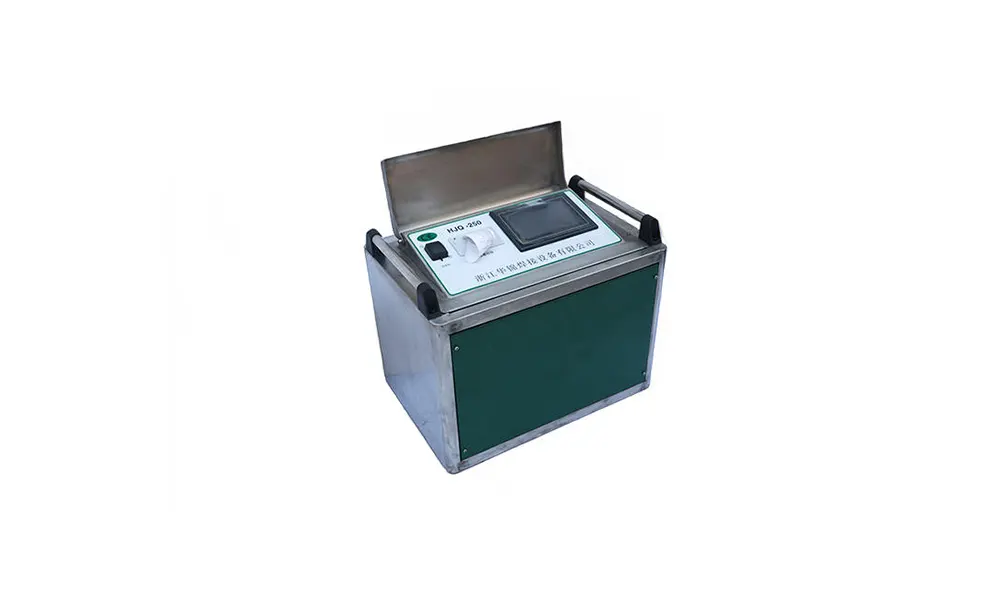
CNC and fully automatic machines minimize operator error, record welding parameters, and are suited for high-throughput factory fusion stations or major infrastructure projects requiring traceability and quality assurance.
Applications Across Iraq
Local needs vary by region: municipal water rehabilitation in aging city networks, new water distribution and irrigation projects in agricultural provinces, and corrosion-resistant transfer lines in oil & gas terminals. Contractors and engineers in Iraq look for machines that can handle hot climates, variable power supply conditions, and mobile site logistics.
Key Technical Features to Look For
- Accurate alignment systems to prevent non-concentric fusions.
- Stable heating plates with quick recovery and uniform temperature.
- Pressure control (manual or hydraulic) for repeatable fusion cycles.
- Data logging capability on automatic machines for QA/QC documentation.
- Portability options and modular clamps for challenging job sites.
Model Comparison at a Glance
| Model | Pipe Range (mm) | Type | Ideal For |
|---|---|---|---|
| JQST Manual Series | 20 – 630 | Manual | Remote sites, small contractors |
| JQH Hydraulic Series | 63 – 1600 | Hydraulic | Large pipelines, municipal work |
| JQA Automatic Series | 63 – 1250 | CNC / Automatic | Factory fusion, QA-driven projects |
Selecting the Right Supplier and Support
Look for manufacturers that offer spare parts availability, training for local crews, and clear documentation for fusion parameters. One reliable option in the HDPE welding market is JQ-Fusion, a producer focused on durable butt fusion machines and global project support.
Installation Best Practices for Iraqi Conditions
Ensure proper site preparation, protect heating plates from sand and dust, and follow recommended preheat and cooling cycles adapted to ambient temperatures. Document each weld cycle on automatic machines for traceability when delivering to government agencies or international contractors.
Get Started
Whether upgrading municipal networks or executing large oil and gas line projects, choosing the correct HDPE welding system improves reliability and lowers lifetime maintenance costs. Evaluate machine type, pipe range, support services and local training to ensure success on Iraqi projects.



