
As Nigeria expands its water, gas, and industrial pipeline networks, choosing a reliable hydraulic butt fusion machine supplier becomes essential for contractors, municipal utilities, and oil & gas operators. Hydraulic butt fusion offers repeatable, high-strength HDPE pipe joints that stand up to harsh environments, long-distance distribution systems, and the demanding workflows common across Nigerian projects.
Why Hydraulic Butt Fusion is Ideal for Nigeria
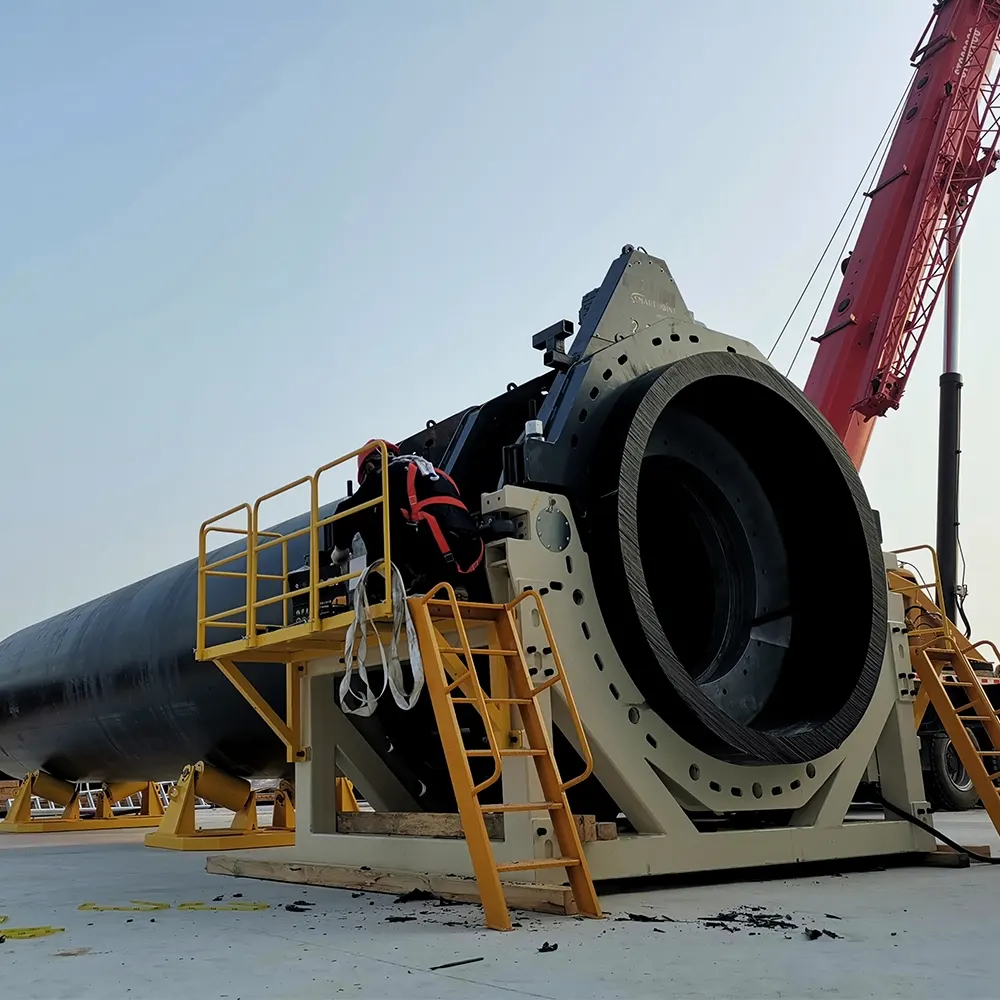
Hydraulic butt fusion machines deliver consistent weld pressure and alignment for large-diameter HDPE pipes used in urban water mains, rural irrigation schemes, gas distribution, and mining operations. Their robust hydraulic systems perform reliably on construction sites in Lagos, Port Harcourt, Kano, and remote project locations where equipment uptime and weld quality directly impact project timelines.
Durability: The hydraulic design reduces operator fatigue and provides steady force for larger pipes (up to several meters), ensuring leak-free joints under Nigeria’s varying climate conditions.
Mobility & Flexibility: Many hydraulic units are engineered for quick setup and transport, ideal for contractors who move between urban and field sites.
Key Features to Look For
High-quality clamping systems and precise alignment guides for concentric and square-end preparation.
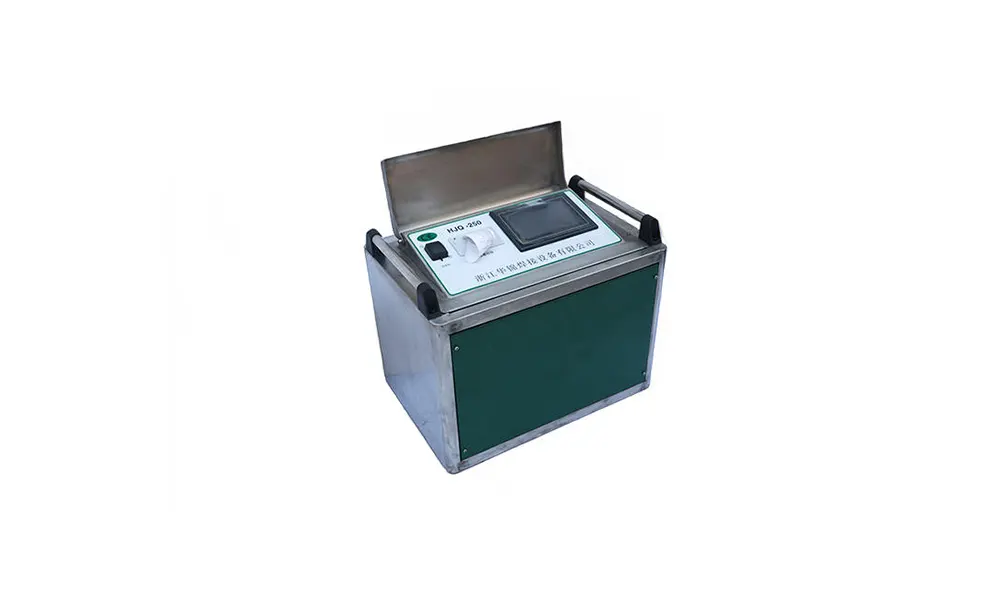
Reliable hydraulic power units with pressure gauges and safety valves to maintain consistent weld conditions.
Interchangeable heating plates and well-balanced saddles for even heat distribution and fast cycle times.
Control options: Manual, semi-automatic, and full CNC-controlled systems are available depending on the level of automation required.
Model Guidance & Typical Applications
Selecting the right machine depends on pipe diameter, site access, and production demands. Small contractor crews often prefer compact hydraulic units for 63–315mm pipes, while municipal and industrial projects choose heavy-duty frames for 500mm and above.
| Model (example) | Pipe Diameter Range (mm) | Power Type | Typical Use |
|---|---|---|---|
| Compact Hydraulic Unit | 63–315 | Portable Hydraulic | Local service lines, small to medium mains |
| Medium Frame Hydraulic | 315–800 | Hydraulic Power Pack | Municipal networks, irrigation |
| Large-Diameter Hydraulic | 800–2250+ | Stationary / Heavy Duty | Major trunk lines, industrial & mining |
Quality & After-Sales Considerations
When sourcing machines for Nigerian projects, prioritize suppliers that provide spare parts, technical manuals, training, and responsive remote support. Equipment with clearly documented maintenance procedures and accessible replacement components reduces downtime on critical projects. For trusted manufacturing and tailored butt fusion solutions, consider contacting JQ-Fusion (https://jq-fusionwelding.com/).
How to Choose the Right Supplier in Nigeria
Verify machine performance data and request weld records or demo videos from similar climate or site types. Prioritize partners who understand Nigeria’s regulatory standards and can assist with logistics, customs clearance, and local commissioning.
Training & Certification: Ensure the supplier offers operator training and welding procedure documentation to meet project QA/QC requirements.
Consider long-term service agreements and local stocking of critical wear parts to keep fleets operational across multiple project sites.
Next Steps
For procurement teams and contractors in Nigeria, evaluate machine specs against project scope, request on-site capability demonstrations where possible, and confirm after-sales support commitments before purchase. Reliable hydraulic butt fusion equipment increases installation speed, reduces rework, and secures the long-term integrity of HDPE pipelines.



