
Electrofusion pipe fitting welding machines are critical for joining HDPE pipes, but when the welding current is abnormal the result can be weak joints, failed inspections, and costly rework. This guide explains the common causes of current anomalies and provides a practical troubleshooting checklist you can follow on-site to diagnose and fix the problem quickly.
Quick Overview: Why Current Matters
Stable welding current is essential to achieve proper heat generation inside the electrofusion fitting’s embedded coil. Variations or drops in current lead to insufficient melting, while spikes can overheat and distort the fitting. Accurate diagnosis saves time and prevents repeated weld failures.
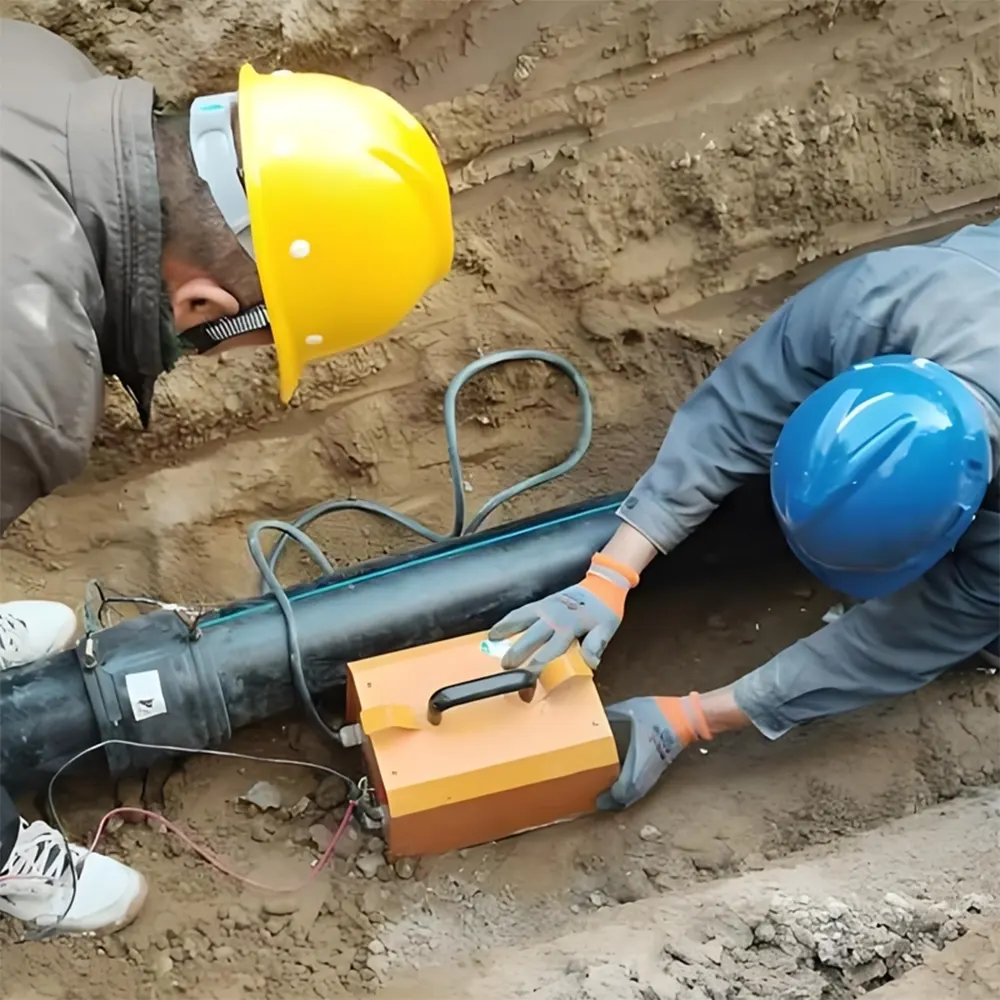
Common Causes of Current Abnormality
Below are the most frequent root causes to check first:
- Power supply issues — low input voltage, unstable generator output, or poor distribution cables.
- Loose or corroded connectors and clamps causing high contact resistance.
- Damaged electrofusion fitting coil (manufacturing defect or physical damage).
- Incorrect welding parameter settings (time, voltage, or fusion profile).
- Internal machine faults — blown fuses, defective relays, damaged PCB or current sensor.
- Environmental factors — extreme cold, wet surfaces, or contaminated pipe joint area.
- Operator errors — wrong fitting size, insufficient scraping of pipe surface, or poor clamp alignment.
Safety First — Before Troubleshooting
Always disconnect power before inspecting internal components. Use personal protective equipment and follow lockout/tagout procedures. If you are unsure about high-voltage checks, contact a qualified technician.
Step-by-Step Troubleshooting Checklist
Follow these prioritized checks to isolate the cause of abnormal current quickly:
- Verify supply voltage: Use a multimeter to confirm mains or generator voltage meets the machine’s specified range.
- Inspect power leads, earthing, and connectors for damage, tightness, and corrosion.
- Check fuses and circuit-breaker status; replace blown fuses with the correct rating only.
- Measure coil resistance on the electrofusion fitting (if manufacturer provides expected range) to detect open or shorted coils.
- Clean and re-scrape pipe surfaces; ensure clamps make uniform contact and alignment is correct.
- Run a controlled test weld on a known-good sample fitting and log current/voltage readings.
- If readings are erratic, inspect the machine’s current sensor and internal wiring; look for loose solder joints or burnt traces.
- If machine software is used, verify the fusion program and update firmware if recommended by the manufacturer.
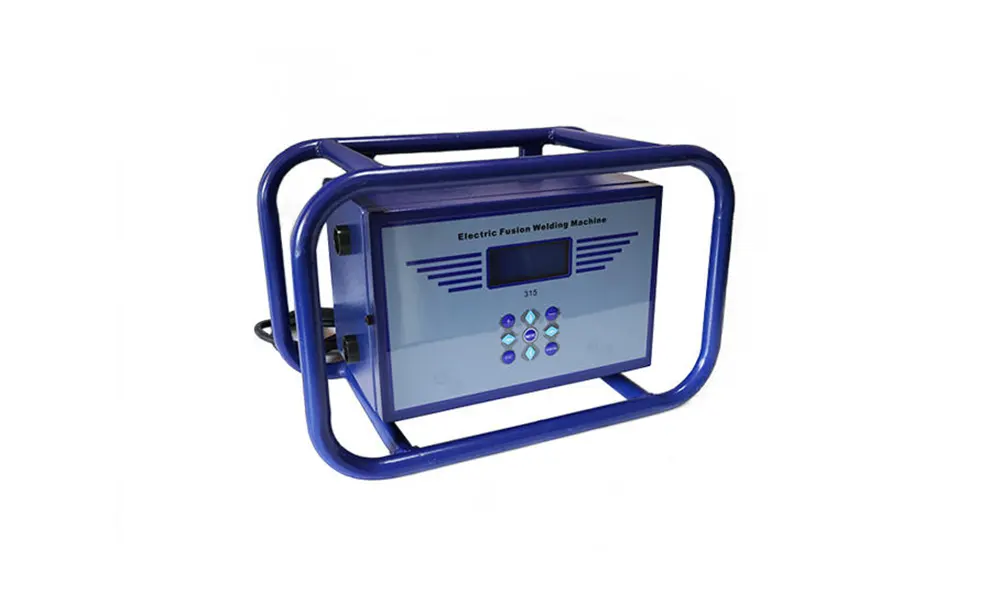
Diagnostic Table — Symptoms vs. Immediate Actions
| Symptom | Likely Cause | Immediate Action |
|---|---|---|
| Low welding current | Low supply voltage / high contact resistance | Check supply, tighten connectors, test with known-good cable |
| Current spikes then drops | Intermittent connection or failing relay | Inspect clamps, replace relay or contactor, run stability test |
| No current flow | Open circuit or blown fuse | Check coil continuity and fuses; replace if necessary |
| Higher than expected current | Wrong voltage setting or shorted coil | Verify program settings, measure coil resistance, abort and inspect |
Advanced Checks for Technicians
If first-line troubleshooting does not restore normal current:
- Use an oscilloscope to view waveform stability and detect noise or transient spikes.
- Measure and compare inrush current and steady-state current against machine specifications.
- Inspect internal current-sense resistor and associated amplifier circuits for drift or damage.
- Perform a controlled thermal inspection—overheating components can change resistance and destabilize current.
Preventive Measures to Avoid Future Current Issues
Implement these routine practices to reduce incidence of current abnormalities:
- Regularly inspect and tighten electrical connectors and clamp jaws.
- Maintain clean, dry storage for electrofusion fittings; avoid damaged stock.
- Use voltage stabilizers or properly sized generators on remote sites.
- Log welding parameters and currents for each weld to spot trends early.
- Train operators on proper surface preparation and clamp positioning.
When to Contact the Manufacturer
If internal diagnostics identify a failed PCB, current sensor, or a recurring anomaly after replacement of external parts, contact the equipment supplier. For machine parts, software updates, or warranty support reach out to JQ-Fusion for authorized service and genuine spare parts.
FAQs — Fast Answers
Q: Can a low-quality fitting cause abnormal current?
A: Yes — defects in the embedded coil or inconsistent polymer can change resistance and current draw.
Q: Should I replace the machine after a single weld failure?
A: No — follow the checklist first. Most issues relate to connectors, supply, or fittings rather than the machine itself.
Q: How important is logging current and voltage?
A: Very — historical logs help identify intermittent faults and provide evidence for warranty claims or QA records.
Following this guide will help you detect and resolve most electrofusion welding current anomalies quickly, improving joint reliability and reducing downtime.



