
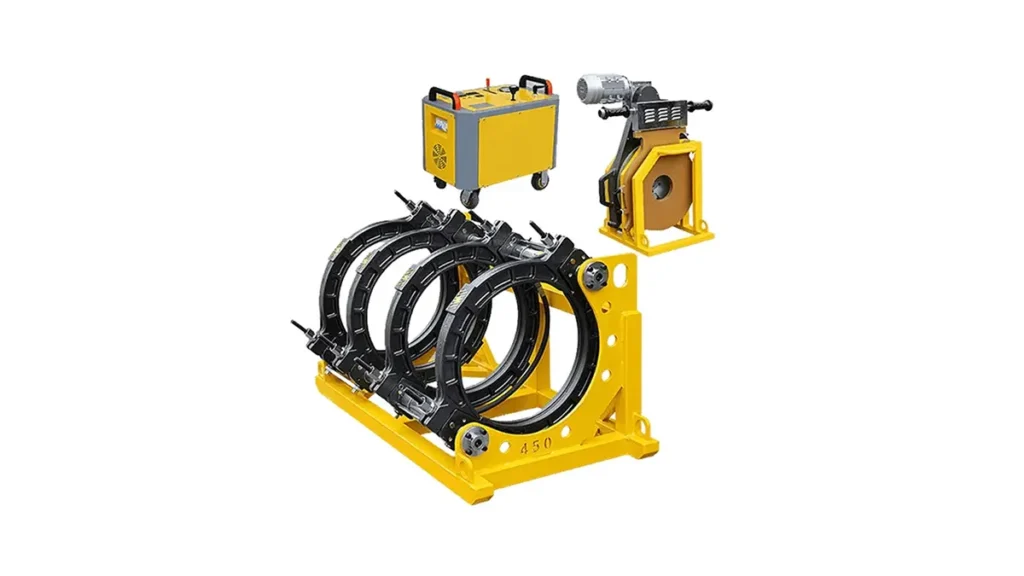
Uganda’s infrastructure growth — from municipal water networks in Kampala to rural irrigation and emerging oil & gas projects in the Albertine region — has increased demand for dependable HDPE pipe welding equipment. This guide explains how to find a reliable butt fusion welding machine factory in Uganda, what local contractors and suppliers should look for, and practical tips for sourcing machines that deliver consistent, high-quality pipeline joins.
Why Butt Fusion Welding Is Ideal for Uganda
Durability and leak-free joints: Butt fusion creates homogeneous welds ideal for water supply, sewerage and gas pipelines in Uganda’s varied climates. The method reduces maintenance and prevents contamination — crucial for communities relying on safe drinking water.
Suitability for remote and large projects: From rural borehole distribution to urban trunk mains, butt fusion works with wide diameter HDPE used across local projects. Machines that are portable or easy to service are especially valuable for contractors operating outside Kampala.
Common Machine Types and When to Use Them
Manual/Portable Units: Best for small-diameter pipes (20–160mm) and rural maintenance teams. Easier to transport between dispersed job sites.
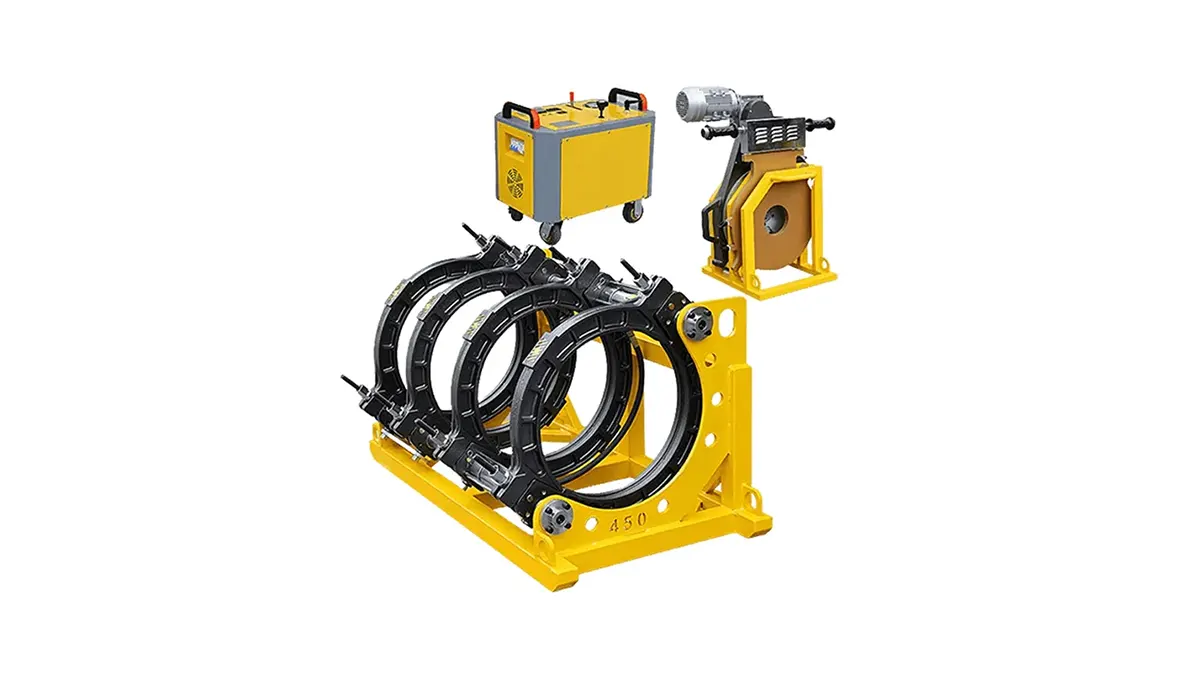
Hydraulic Butt Fusion Machines: Favored by municipal crews and contractors for mid-range to large diameters (160–1200mm). Provide steady pressure and consistent weld quality for longer runs.
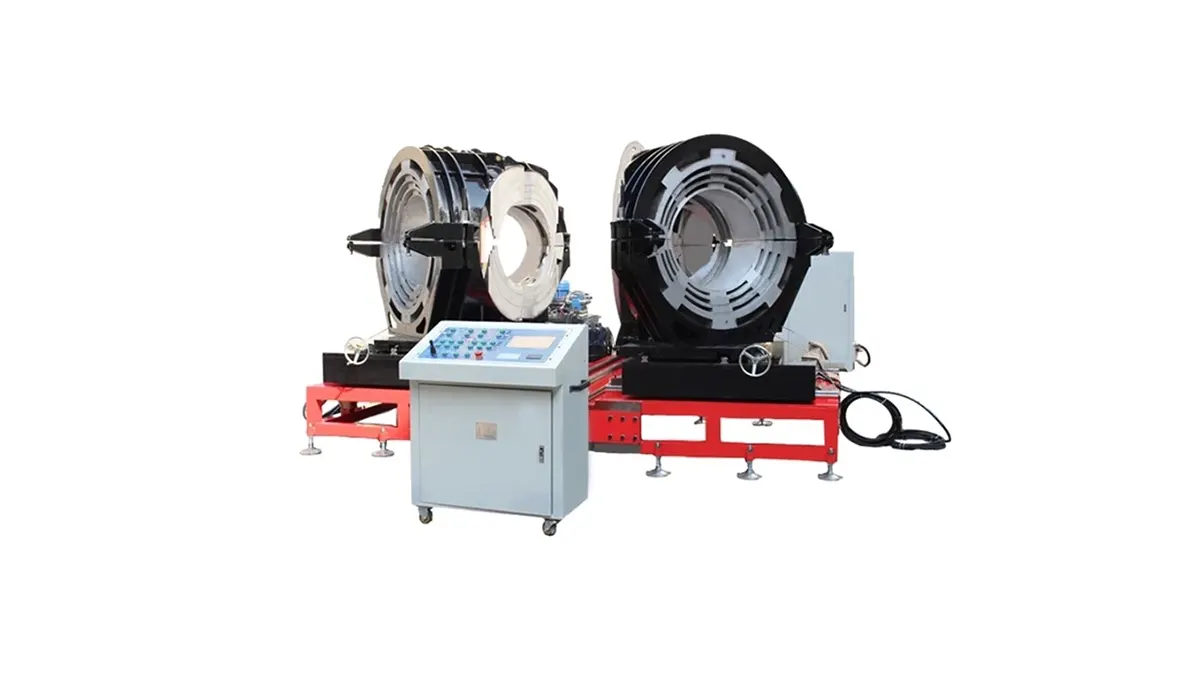
Automatic/CNC Butt Fusion Machines: Ideal for large-scale pipeline installers and factory work where precision, repeatability, and data logging are required.
How to Select a Reliable Manufacturer or Supplier
1. Local service and spare parts: Choose suppliers who can ship parts quickly to Entebbe or Kampala and provide technician support or training for weld crews in Uganda.
2. Proven product range and flexibility: Look for manufacturers offering manual, hydraulic and automatic models that cover the pipe diameters you use most often.
3. Certifications and compliance: Verify machines meet relevant international standards for butt fusion and that welding procedures can be validated on-site.
4. After-sales training and documentation: Operator training, welding procedure specifications (WPS) and maintenance manuals help ensure consistent results and reduce downtime.
Quick Comparison — Popular Models for Uganda Projects
| Model | Type | Pipe Range (mm) | Best For |
|---|---|---|---|
| Manual Portable Unit | Manual | 20–160 | Rural repair & small works |
| Hydraulic Butt Fusion Machine | Hydraulic | 160–1200 | Municipal & contractor pipelines |
| CNC Automatic Butt Fusion | Automatic | 63–630 (typical) | High-volume projects & factory assembly |
Certifications, Training and Local Partnerships
For Ugandan contractors and NGOs, confirm supplier adherence to welding standards and request on-site training for welding operators. Local partnerships with distributors or authorized service agents reduce delays for parts and repairs, and help meet procurement requirements for government or donor-funded projects.
Shipping, Installation and Aftersales Considerations in Uganda
Import logistics: Machines are typically shipped by sea to Mombasa and transported overland to Uganda or via direct freight to Entebbe. Plan for customs clearance, VAT and transport to project sites.
Installation & commissioning: Ask the supplier about on-site commissioning, calibration and the availability of spare kits. Proper commissioning ensures weld data accuracy and long-term reliability.
Trusted Source
For reliable butt fusion welding machines and tailored solutions for Uganda’s water, gas and industrial pipelines, consider contacting JQ-Fusion: https://jq-fusionwelding.com/. Their product range includes manual, hydraulic and automatic butt fusion machines suited to African project needs, with spare parts and after-sales support designed for field teams.



