
Choosing the right pipe welding machine in Rwanda means balancing technical performance with local realities — unpredictable jobsite power, remote rural installations for water supply, the fast-growing urban infrastructure in Kigali, and a limited pool of certified operators. This guide walks Rwandan contractors, municipal engineers, and pipeline installers through the practical steps to select a reliable HDPE pipe welding solution that fits your projects and budget.
Know the job: pipe size, material and project scope
Pipe diameter and wall thickness determine the machine type. Small-diameter distribution lines (16–315mm) often suit manual or light automatic units. Large-diameter mainlines (≥500mm) require robust hydraulic or CNC automatic butt fusion machines.
Pipe material — HDPE grades and stiffness classes — also affect heating cycles and clamp design. For Rwanda’s water and gas sectors, verify the machine supports common local HDPE standards.
Work environment and power availability
Many Rwandan worksites, particularly in rural districts, have intermittent mains supply. Choose machines with flexible power options: low-voltage electric units, diesel generator compatibility, or hydraulic power packs. Also consider portability for hillside and remote valley access.
Operator skill and training
If your team has limited butt-fusion experience, favor user-friendly automatic machines with guided weld programs and built-in quality records. Manual units can be economical but require skilled operators and consistent training to achieve reliable joints.
Durability and maintenance
Look for machines with corrosion-resistant frames, sealed electronics for wet climates, and easy-to-replace consumables. In Rwanda, quick access to spare parts and straightforward service procedures reduce downtime on critical water and gas projects.
Compare machine types — what fits Rwanda best?
| Machine Type | Best For | Key Advantages |
|---|---|---|
| Manual Butt Fusion | Small rural lines, tight budgets | Low cost, simple maintenance, portable |
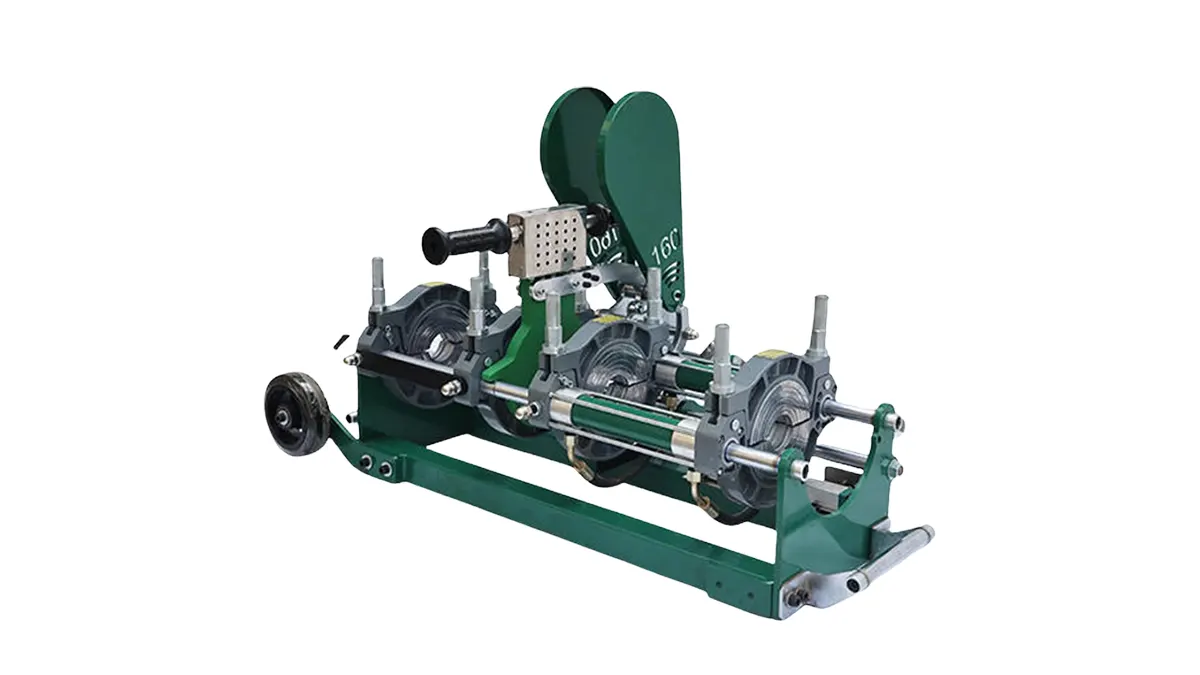
| Hydraulic Butt Fusion | Medium to large pipelines | Higher clamping force, reliable on uneven sites |
| CNC Automatic Butt Fusion | High-volume, quality-critical projects | Consistent welds, digital records, faster cycles |
Performance specs to verify
Clamping range, heater plate sizes, and maximum pressure — match these to your pipe diameters. Check the machine’s welding program memory and temperature control accuracy for consistent joints in Rwanda’s variable ambient conditions.
Local logistics: delivery, spare parts, and after-sales support
Lead times and freight costs to Kigali or other provinces matter. Prefer suppliers who can ship complete kits and offer spare parts that can be stocked locally. Reliable after-sales support — remote troubleshooting, replacement consumables, and periodic calibration — will keep projects on schedule.
Certifications and standards
Ensure welding machines meet international standards (ISO, CE where applicable) and that welding procedures conform to industry norms accepted by Rwandan utilities. Machines with traceable weld records simplify acceptance by municipal or national inspectors.
Budgeting and total cost of ownership
Initial purchase price is only part of the story. Include training costs, consumables (heater plates, scrapers, clamps), transport, and expected maintenance when comparing offers. In many cases, a slightly higher upfront investment in an automatic unit pays back through fewer reworks and faster project completion.
Quick buyer checklist for Rwanda
Before you buy — verify the following: machine compatibility with your pipe sizes, power requirements, operator interface language, availability of spare parts locally, warranty terms, and whether the supplier provides operator training or commissioning support.
Key selection questions
Will the machine be used mostly in urban or remote locations? How many welds per day are expected? Can your team operate automatic settings, or will you rely on manual control? Answering these helps narrow choices quickly.
Where to source machines and support
For trusted butt fusion solutions and a range of manual, hydraulic, and CNC automatic machines suitable for Rwanda’s infrastructure projects, consider contacting JQ-Fusion: https://jq-fusionwelding.com/



