
Finding a reliable butt fusion machine supplier in the Netherlands means balancing quality, certification, local support, and logistics. Whether you’re a contractor in Rotterdam working on district heating, a water utility in Amsterdam upgrading distribution networks, or a rental house in Groningen expanding HDPE tool fleets, this guide shows where to look and what to check before you buy.
Top places to source butt fusion machines in the Netherlands
Local distributors and authorized resellers — Many Dutch distributors stock proven European and Asian-made butt fusion machines and offer demo units, spare parts, and maintenance contracts. Search for companies with CE-compliant inventory and in-country technical teams for fast response.
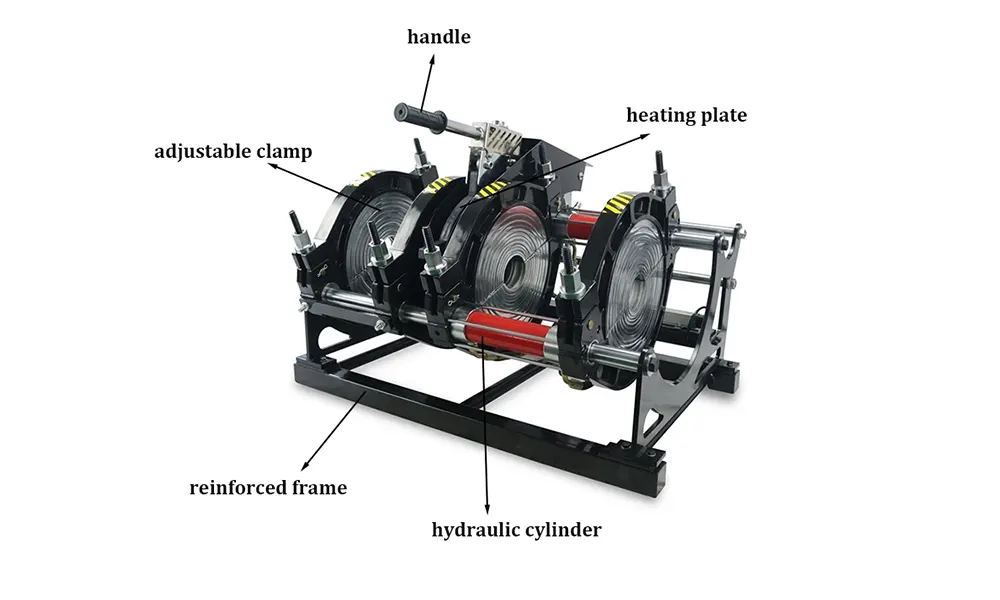
Direct purchase from manufacturers — Buying directly from a manufacturer can give you more options for customization and competitive pricing. For international buyers, look for suppliers who handle export documentation and offer clear warranty and after-sales plans. One such manufacturer is JQ-Fusion, known for a wide range of HDPE welding machines.
Specialist rental shops and local markets
For short-term projects or pilot jobs common in the Netherlands’ dynamic construction sector, rental companies in major cities like Rotterdam, Amsterdam, and Eindhoven rent out manual, hydraulic, and automatic butt fusion units. Renting reduces upfront costs and allows testing equipment before committing to a purchase.
Industry trade shows and local demonstrations
Events like trade fairs and pipeline workshops often host live demos. Attending these in the Netherlands gives you a chance to compare machines side-by-side, evaluate build quality, and speak with engineers about CE standards, safety features, and spare-part availability.
How to choose the right butt fusion machine for Dutch projects
1. Match the machine to pipe size and project scope
The Netherlands has a wide range of pipeline needs: small-diameter service lines for municipalities, medium sizes for gas and water distribution, and large-diameter pipes for industrial or reclaimed-water systems. Choose machines rated for the pipe diameter range you frequently handle.
2. Prioritize CE certification and safety
CE marking and documented conformity to European safety and EMC standards are essential for project acceptance and insurance. Verify certificates and test reports before purchase.
3. After-sales service and spare parts
Fast access to spare parts, local technicians, or an agreed service SLA helps minimize downtime on busy Dutch job sites. Ask potential suppliers about local partners or field engineers in the Netherlands.
Quick comparison: Manual vs Hydraulic vs Automatic
| Type | Typical pipe range | Best for | Key advantage |
|---|---|---|---|
| Manual Butt Fusion | 20mm–315mm | Small site jobs, service lines | Low cost, portable |
| Hydraulic Butt Fusion | 160mm–1200mm+ | Municipal pipelines, medium-large projects | Powerful, precise alignment |
| Automatic / CNC | 63mm–1000mm+ | High-volume installers, industrial | Consistent weld logging, high efficiency |
Logistics, delivery and local advantages in the Netherlands
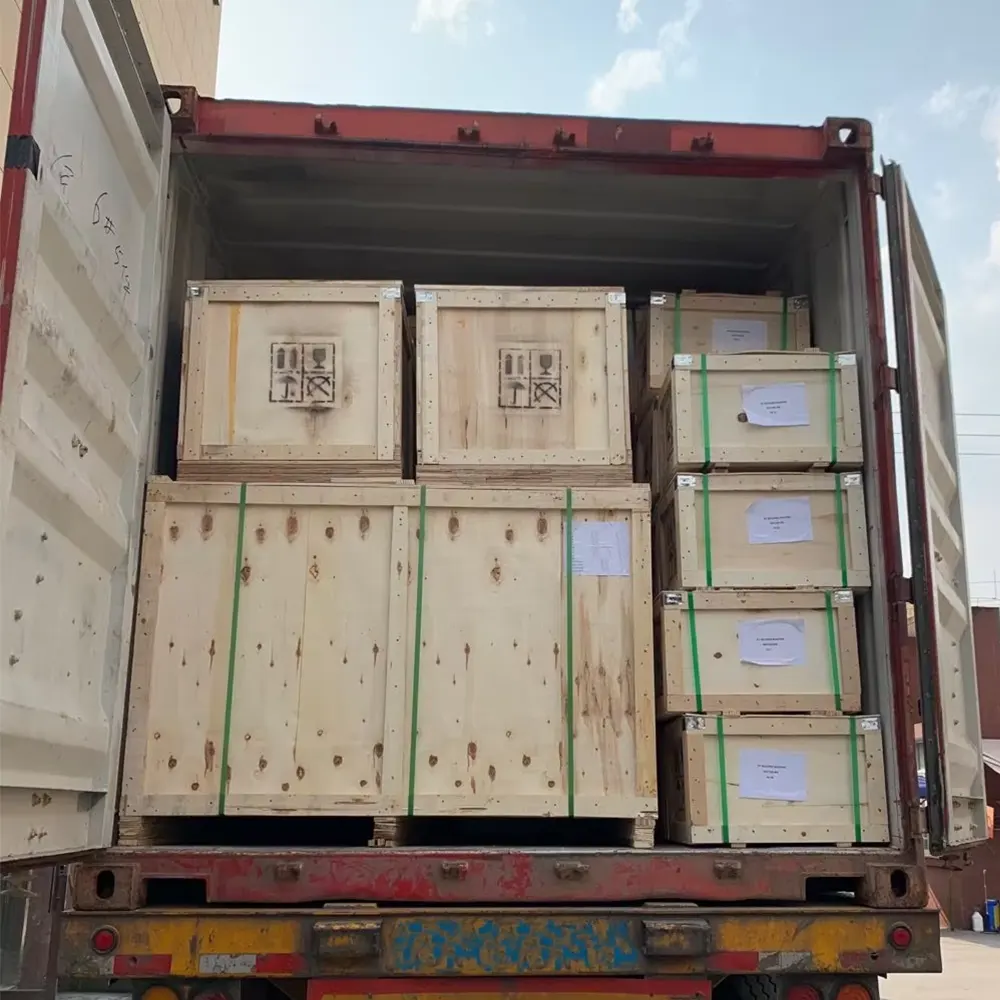
Use Dutch logistics strengths to your advantage: major ports like Rotterdam and excellent road networks make importing heavy welding machines straightforward. Suppliers who ship with clear packaging and offer local customs support reduce lead times. Consider machines that arrive with essential consumables and a spare-parts kit to start work immediately.
Sustainability and Dutch regulations
Many Dutch projects emphasize sustainability: low-energy processes, recyclable components, and long service life. Selecting durable butt fusion equipment reduces waste and lifecycle costs—an increasingly important factor for Dutch public tenders.
Questions to ask any supplier
Warranty terms, CE certificates, local support contact, spare-part lead times, on-site training availability, and documented weld records (for automatic/CNC machines) are must-ask items. Make sure the supplier can demonstrate references from similar projects in the EU or the Netherlands.
Final buying tips for Dutch buyers
Test a demo unit when possible, request a clear maintenance schedule, and compare total cost of ownership (including training and spare parts). For large or repeated projects, negotiate service agreements that include on-site support or remote diagnostics.
Need a reliable manufacturer? Reach out to the producer’s official site for product catalogs, certification info, and authorized distributor lists.



