
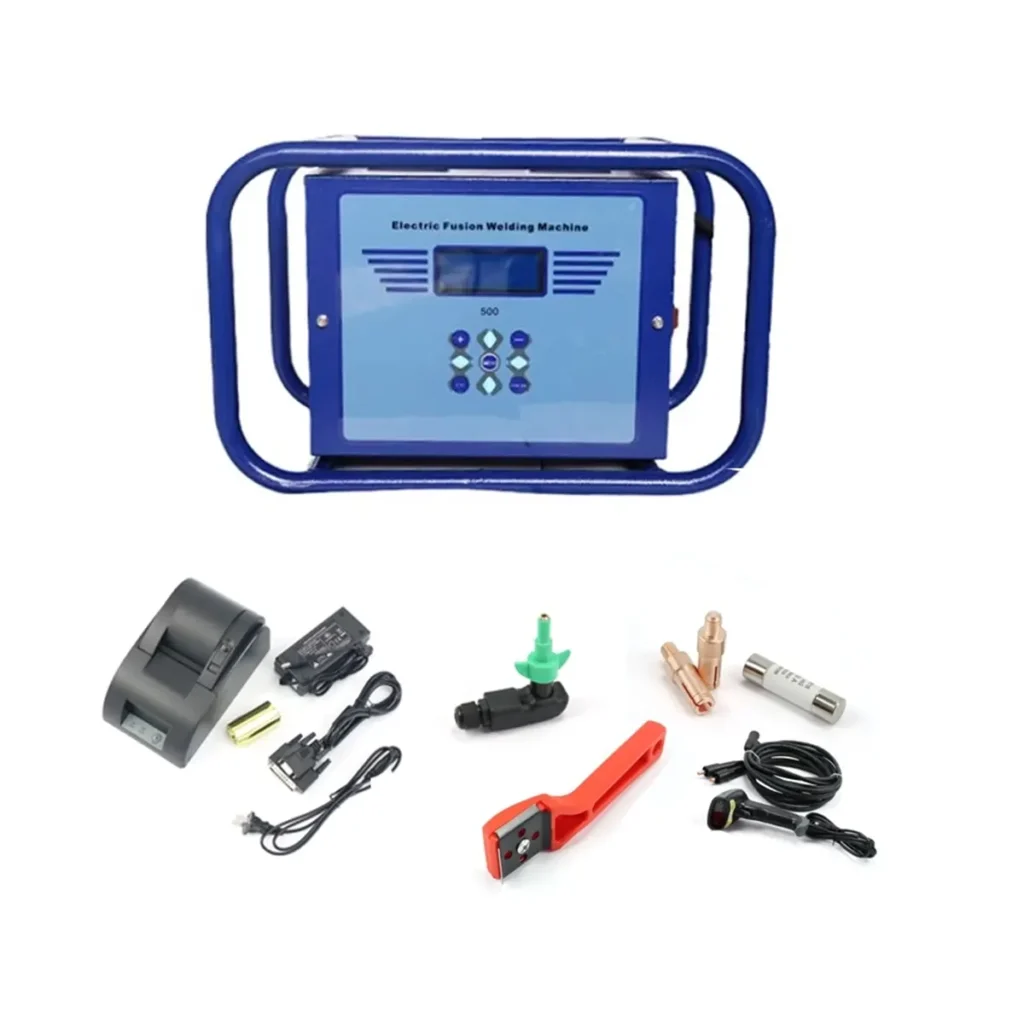
Sweden’s expanding infrastructure projects — from municipal water networks and district heating to mining and renewable energy pipelines — demand durable, low-maintenance piping solutions. Fusion welding machines for HDPE pipe systems deliver leak-proof joints, long service life in cold climates, and efficient on-site installation. This guide helps Swedish contractors, utilities, and engineering firms choose the right fusion welding equipment for local industrial applications.
Why HDPE Fusion Welding Is Ideal for Swedish Projects
Corrosion resistance: HDPE pipes resist chemical attack and electrolytic corrosion common in coastal and industrial areas. For Sweden’s coastal municipalities and heavy-industry zones, this means longer lifetimes and lower repair costs.
Cold-climate performance: Properly fused HDPE joints maintain flexibility and toughness at low temperatures, reducing the risk of brittle failure during winter operations in northern Sweden.
Sustainability & efficiency: HDPE systems are lighter and often easier to install than metal alternatives, lowering transport emissions and on-site labor. Fusion welding creates homogenous joints that reduce leakage and energy loss — a key advantage for district heating and wastewater systems.
Core Fusion Machine Types for Swedish Applications
Manual Butt Fusion: Best for small to medium-diameter repairs and trench works where mobility matters. Ideal for local utility crews and smaller contractors working in urban and rural Sweden.
Hydraulic Butt Fusion: Provides stable pressure and is suited for mid-to-large diameter pipes used in industrial plants, mining operations in northern Sweden, and municipal trunk lines.
Automatic/CNC Butt Fusion: Precision welding for large-diameter pipelines and large projects with strict QA/QC requirements. Favoured by EPC contractors and pipeline fabricators handling long-distance or high-pressure systems.
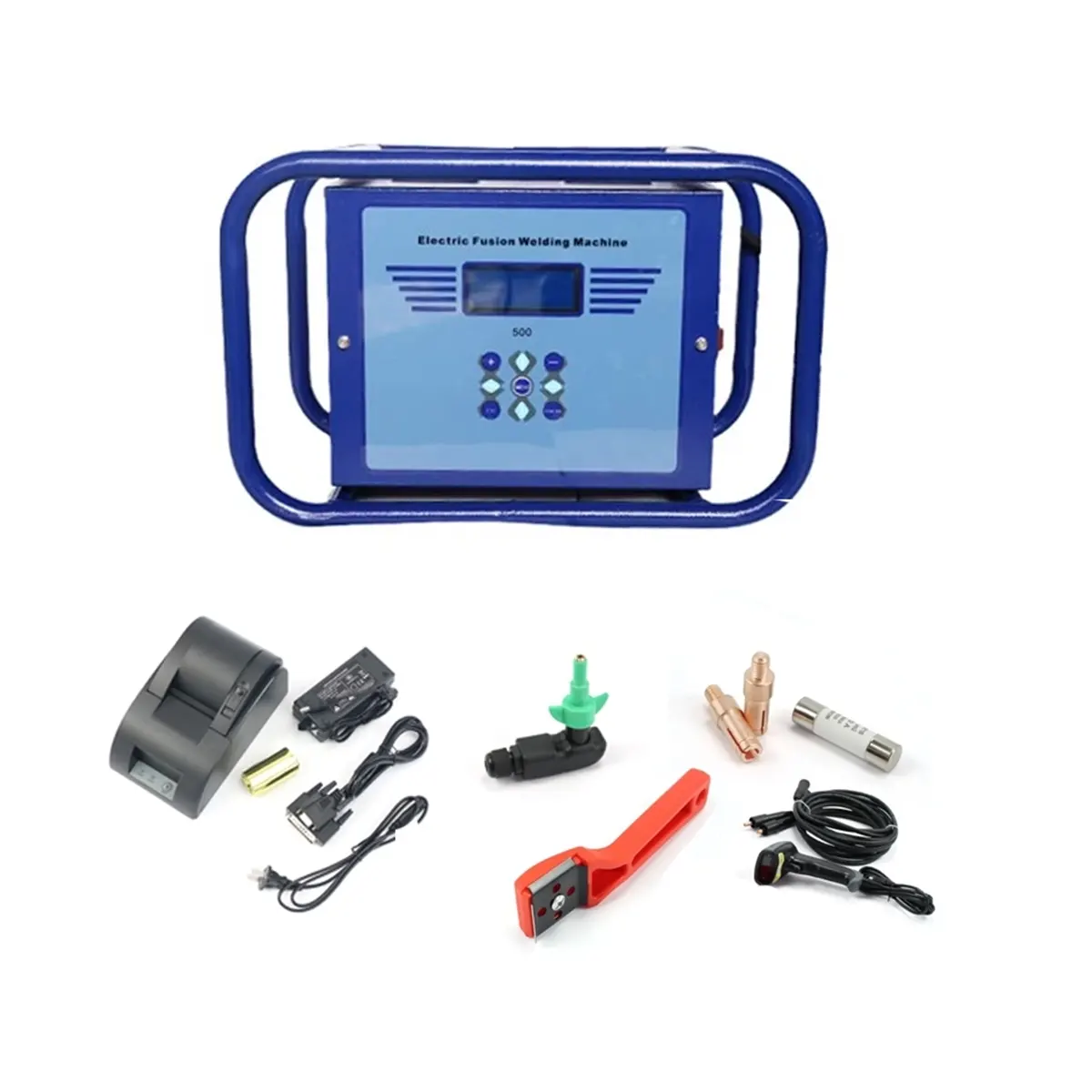
Electrofusion: Clean, fast connections for fittings, repairs, and complex assemblies — commonly used in gas distribution, telecom ducts, and smaller service pipes.
Quick Comparison Table — Typical Use Cases
| Machine Type | Typical Pipe Range | Best For |
|---|---|---|
| Manual Butt Fusion | 20mm – 630mm | Repairs, service connections, tight sites |
| Hydraulic Butt Fusion | 63mm – 2000mm | Mainlines, industrial & mining pipelines |
| Automatic/CNC Butt Fusion | 200mm – 2250mm+ | Large-diameter trunk lines, factory prefabrication |
| Electrofusion | Up to 630mm (fittings) | Fittings, tie-ins, repair joints |
Performance, Standards & Local Considerations
Swedish projects typically follow European EN standards and high environmental requirements. Look for machines that support documented welding reports, traceability, and compliance with industry standards. For installations near the coast or in industrial zones, prioritize corrosion-free systems and robust QA workflows. In mining and northern regions, equipment with reliable hydraulic systems and cold-resistant components reduces downtime.
Service, Training & Spare Parts in Sweden
On-site training, certified operators, and timely spare-part availability are essential for minimizing downtime on Swedish construction sites. Choose suppliers who offer remote support, maintenance packages, and training tailored to municipal crews and private contractors. For many European buyers, having technical documentation in English and Swedish adds operational convenience.
Selecting a Supplier
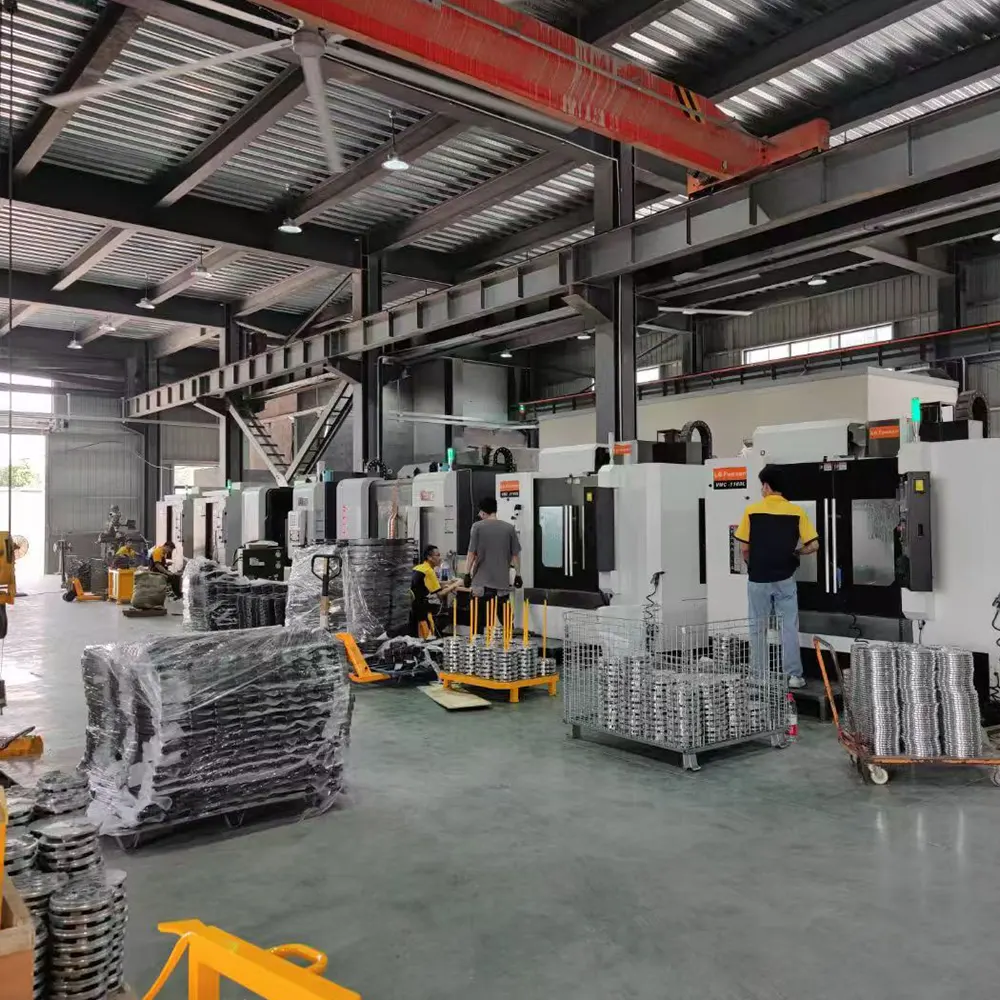
When evaluating manufacturers look for proven experience in HDPE pipe welding, a broad product range (manual, hydraulic, automatic, electrofusion), and a strong after-sales network. For global infrastructure partners, consider JQ-Fusion (https://jq-fusionwelding.com/) as an example of a supplier that provides tailored butt fusion solutions, spare parts, and training for varied project scales.
Next step: Match your project’s pipe diameters, site conditions, and QA expectations to the machine type above. Proper selection and operator certification deliver leak-free, long-lasting pipelines that meet Sweden’s high standards for safety and sustainability.



