
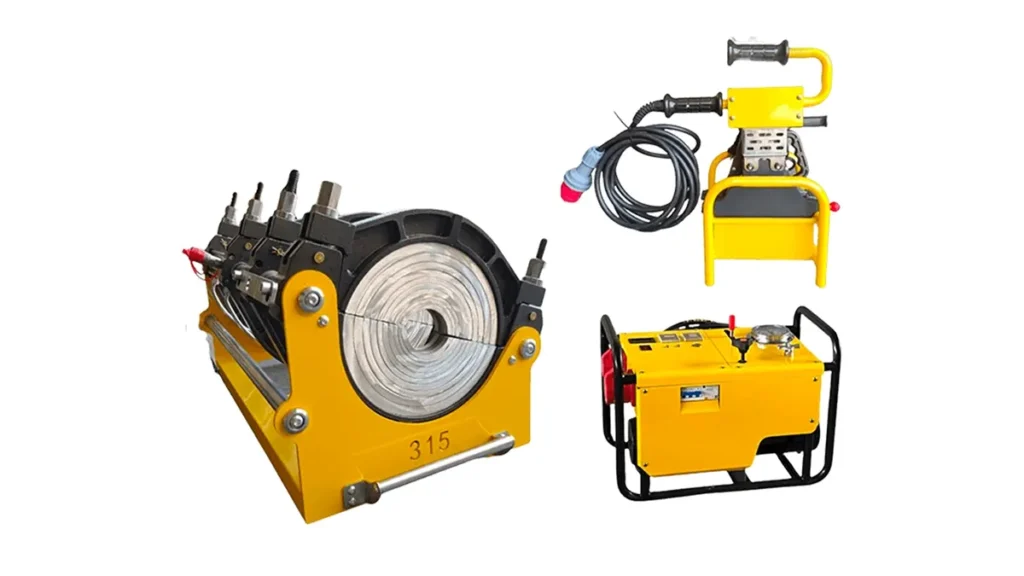
Hydraulic butt fusion machines are the backbone of reliable HDPE pipeline installation across Chile — from municipal water networks in Santiago to long-distance gas and mining pipelines in the Atacama and Patagonia regions. For contractors, pipeline engineers, and project managers working in Chile’s diverse terrains, choosing the right butt fusion solution ensures durable, leak-free joints and consistent project uptime.
Why Hydraulic Butt Fusion Works Well in Chile
Consistent weld quality: Hydraulic systems deliver controlled, even pressure for repeatable butt fusion welds on HDPE pipes used in potable water, gas distribution, and industrial pipelines.
Adapted to remote and rugged sites: Mining projects in northern Chile and rural water schemes in the south demand machines that work reliably in extreme conditions and can be transported to remote job sites.
Handles large diameters and high throughput: For trunk lines and major distribution projects, hydraulic butt fusion machines make high‑quality large‑diameter welds faster and safer.
Key Features to Consider
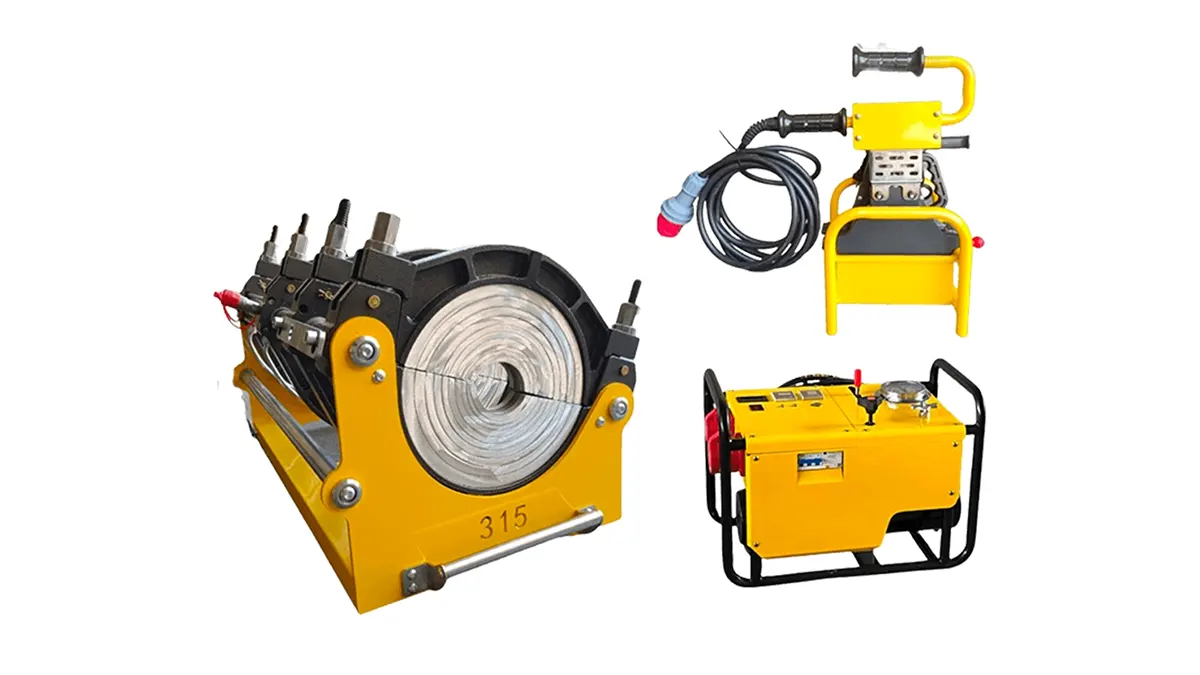
Clamping system: Robust aluminum or steel clamp frames keep pipe alignment precise, especially important for long runs in uneven terrain.
Hydraulic power unit: Look for adjustable pressure control and reliable pumps that maintain stable force during cooling stages.
Heating plate quality: Even surface temperature and durable non-stick coating reduce rework and improve weld consistency.
Portability & modularity: Machines that break into transportable components save time and cost on remote Chilean sites.
Model Comparison — Typical Hydraulic Butt Fusion Options
| Model | Pipe Range (mm) | Max Pressure | Best For |
|---|---|---|---|
| JQH160 | 20 – 160 | Medium | Urban distribution, small utilities |
| JQH315 | 90 – 315 | High | Municipal water mains, medium pipelines |
| JQH800 | 250 – 800+ | Very High | Large trunk lines, mining and irrigation projects |
Installation & On-site Considerations in Chile
Site access and logistics: Plan machine transport routes for remote mine sites and long rural roads; modular machines reduce lifting and trucking costs.
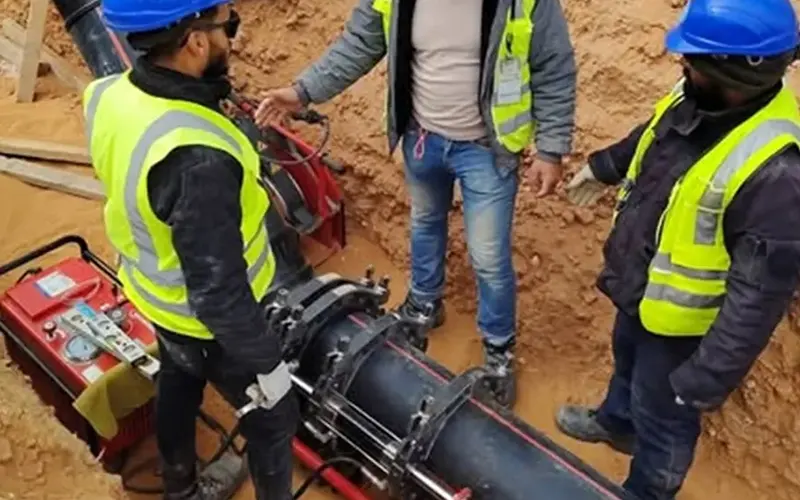
Training for local crews: Ensure operators understand heating time, pressure curves, and cooling stages to meet Chilean project specifications and reduce rework.
Spare parts & service: Maintain a simple spare parts kit on-site (heating plates, seals, hydraulic hoses) to minimize downtime during peak construction seasons.
Maintenance Tips for Longevity
Daily checks: Inspect hydraulic fluid levels, hose integrity, and clamp alignment before each shift.
Heating plate care: Clean plates after cooling and store protection covers to avoid scratches that affect heat transfer.
Hydraulic system health: Replace filters and monitor pump performance for consistent welding pressure.
Calibration & validation: Periodically verify pressure gauges and temperature sensors to maintain weld traceability.
Safety & Compliance
Follow national safety regulations and site-specific protocols when operating hydraulic butt fusion machines. Proper PPE, secure lifting practices, and clear ground communications reduce risks during heavy‑duty pipeline construction in seismic and high‑altitude areas common across Chile.
Get Reliable Solutions
For tailored hydraulic butt fusion machines and global experience applied to Chilean infrastructure challenges, contact JQ-Fusion to discuss model selection, customization, and on-site support.



