
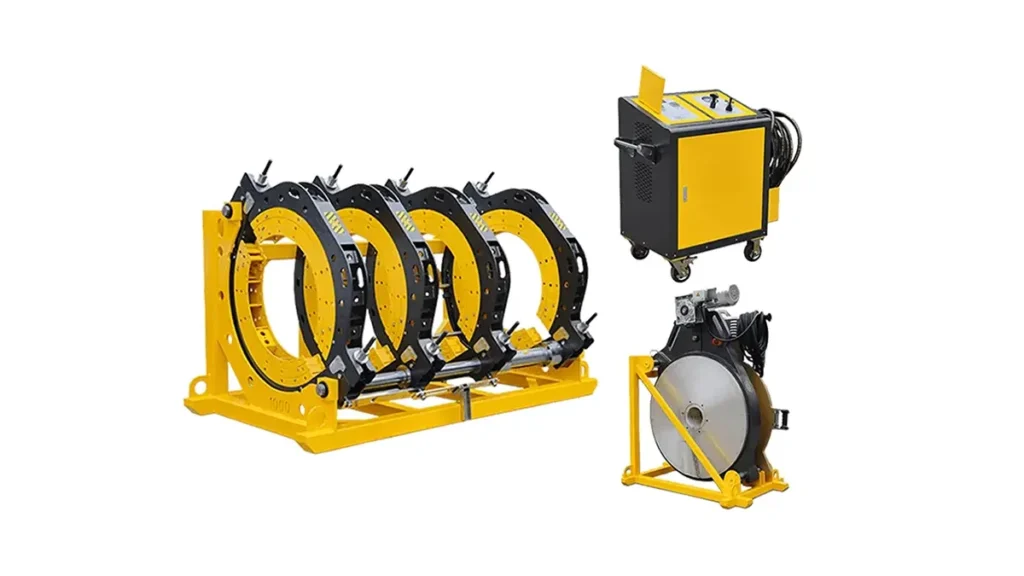
Choosing the right butt fusion machine factory when working on HDPE pipeline projects in South Africa can make the difference between a reliable long-term system and repeated maintenance headaches. From large municipal water networks to mining site pipelines and rural irrigation systems, the right supplier must combine robust equipment, local compliance knowledge, and dependable after-sales support.
Why the supplier choice matters in South Africa
South Africa’s infrastructure needs — municipalities, mining operations, agricultural irrigation and private contractors all rely heavily on HDPE pipelines. Many projects take place in remote or harsh environments (hot climates, long transport distances, and rugged job sites), so machines must be durable, portable, and easy to maintain onsite.
What local buyers in South Africa typically need
-
Compliance with national and municipal standards, and the ability to supply documentation for inspections and tenders.
-
Spare parts and technician support within the country or rapid shipping to regional hubs (Johannesburg, Cape Town, Durban).
-
Machines that work reliably on-site with minimal setup and can handle the full pipe diameter range required by water, gas, and mining projects.
Key criteria to evaluate a butt fusion machine supplier
Evaluate both the machine and the partner. Look for technical quality, quality control processes, on-the-ground support options, and proven experience in similar South African projects.
Technical capability
-
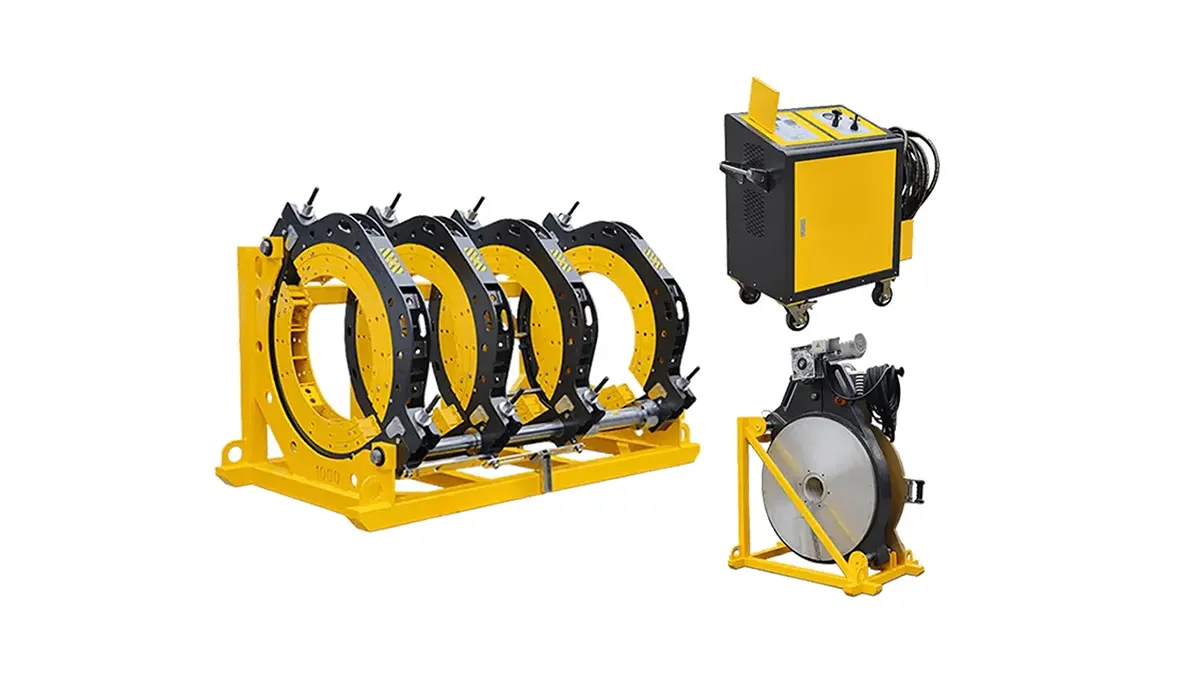
Range of machines: manual, hydraulic, and CNC automatic butt fusion units to suit small repairs or large-diameter pipeline construction.
-
Build quality: heavy-duty frames, corrosion-resistant components, and reliable heating elements for repeated cycles in hot climates.
After‑sales and training
-
Local training for site teams, clear operation manuals, and remote troubleshooting support.
-
Availability of spare parts and fast shipping options to major South African centers.
Certifications & documentation
-
Factory test reports, welding procedure documentation, machine calibration certificates, and support for local regulatory requirements (SABS/SABS-accredited testing where applicable).
Quick comparison: Manual vs Hydraulic vs Automatic
| Type | Typical Diameter Range | Best For | Key Considerations |
|---|---|---|---|
| Manual | Small to medium (e.g., 20–400mm) | Maintenance, small contractors | Portable, low cost, operator skill dependent |
| Hydraulic | Medium to large (e.g., 63–1600mm) | Frequent site welding, civil works | Higher throughput, robust clamping, requires maintenance |
| Automatic / CNC | Medium to very large | Precision projects, high-volume installations | Best weld consistency, higher investment, needs trained operators |
Local support, logistics and warranty considerations
Ask about spare parts lead times, local agents or distributors, and warranty coverage. For mining sites and municipal projects, downtime can be costly — ensure the supplier offers timely parts delivery and remote diagnostics. Check whether the manufacturer provides training packages tailored to site teams in South Africa and whether on-site commissioning is available.
How to assess manufacturer credibility
-
Request references from similar projects (water utilities, mining clients, contractors in South Africa or southern Africa).
-
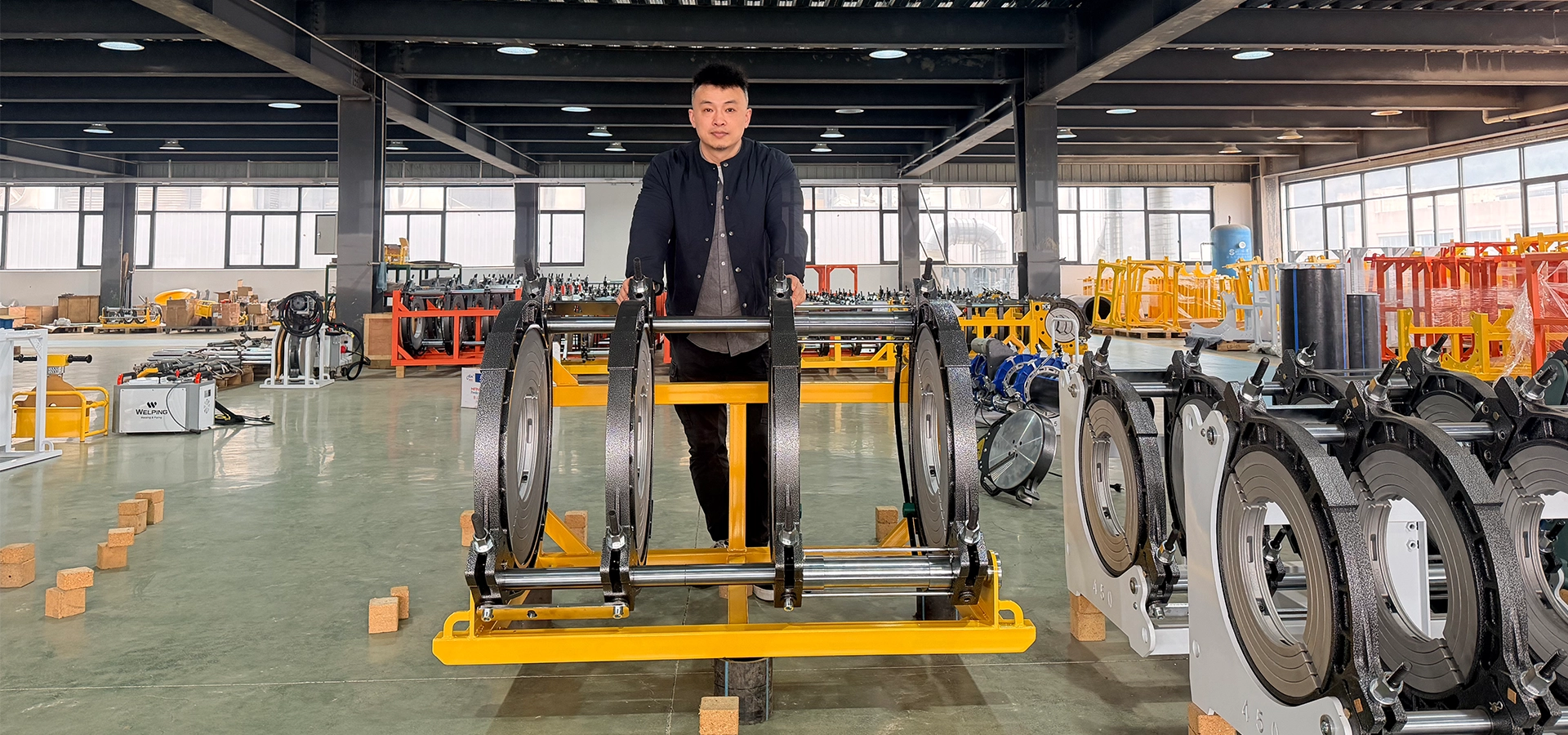
Review factory inspection photos, quality control procedures, and sample calibration certificates.
-
Confirm support for common local fittings and pipe materials, plus compatibility with SABS/South African specifications.
Essential questions to ask any supplier
-
What is the typical lead time for machines and critical spare parts to South Africa?
-
Do you provide operator training and on-site commissioning?
-
Can the machine be customized for specific pipe diameters or on-site constraints?
-
What warranty and after-sales service options are available locally or regionally?
For manufacturers with global project experience and a complete product range — manual, hydraulic and CNC automatic butt fusion machines — you can compare technical data sheets, ask for factory acceptance tests, and verify local support plans before awarding contracts. For example, JQ-Fusion offers a wide portfolio of HDPE pipe welding solutions and emphasizes durability, customization and responsive service for infrastructure projects worldwide.
Final practical tips
-
Test a sample weld or request a demonstration where possible.
-
Factor total cost of ownership (training, parts, transport) rather than only the purchase price.
-
Choose a partner who understands South African project workflows and can commit to realistic support SLAs.
Deciding carefully up front reduces delays and safeguards pipeline integrity across South Africa’s varied project environments. Prioritize suppliers who back their machines with documentation, spare parts access, and practical local support.



