

Electrofusion welders are becoming an essential tool for reliable HDPE pipe joining across Zimbabwe — from municipal water networks in Harare to irrigation systems on commercial farms and gas distribution projects in mining towns. This guide explains why electrofusion provides durable, leak-free joints and how contractors, utility engineers, and rural installers can choose the right equipment for local conditions.
Why Electrofusion Welders Fit Zimbabwe’s Pipeline Needs
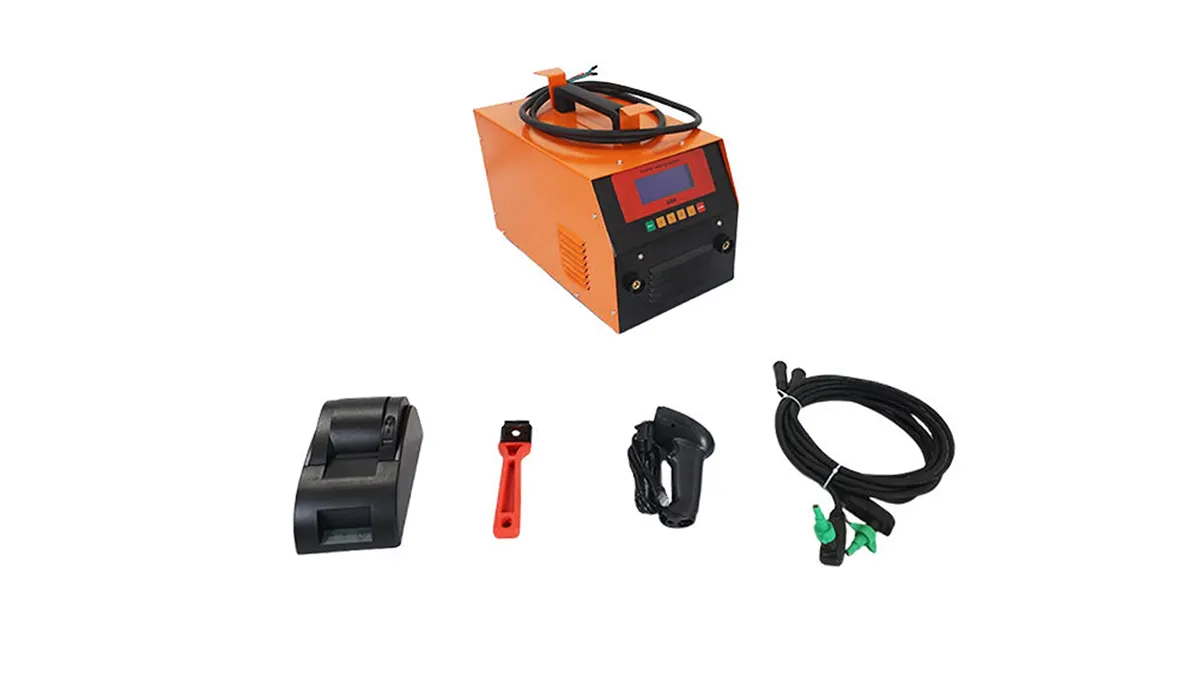
Electrofusion welding is ideal for HDPE pipes used in water and gas pipelines because it creates strong, uniform joints that resist corrosion, ground movement, and the variable climate found across Zimbabwe. For urban utilities and rural communities alike, electrofusion reduces the need for chemical adhesives or mechanical couplers, enabling faster installations with long-term integrity.
Key Benefits for Local Contractors and Utilities
• Reliable Leak Prevention: Electrofusion joints heat the fittings internally, producing a permanent molecular bond that minimizes leaks in potable water and gas lines.
• Low Maintenance: Once fused, HDPE pipelines require minimal upkeep — an advantage for remote districts with limited service access.
• Versatility: Suitable for a wide range of diameters and fittings commonly used in Zimbabwean water supply and rural irrigation projects.
• Rapid Deployment: Field-ready electrofusion units speed up repairs and expansions, helping meet urgent community needs after droughts or infrastructure damage.
Typical Applications Across Zimbabwe
Municipal water networks: Electrofusion is widely used for new trunk mains and repair works in towns and cities, offering durable joins that meet public health standards.
Agriculture & irrigation: Farmers installing drip or lateral systems benefit from the reliability and flexibility of electrofusion fittings when extending HDPE lines across fields.
Gas distribution & mining: Mining operations and localized gas distribution need secure, pressure-resistant welds; electrofusion delivers repeatable results that comply with safety requirements.
| Model | Pipe Range | Power | Best Use |
|---|---|---|---|
| JQEA Portable Unit | 20–160 mm | Battery / Mains | Field repairs, rural installations |
| JQEB Workshop Unit | 63–630 mm | Mains | Utility depots, workshop testing |
| HDPE Electrofusion Station | 160–2000 mm | Mains / Generator | Large-diameter trunk pipelines |
Operation, Standards & Training
Correct electrofusion requires trained operators who follow manufacturer instructions and local standards. In Zimbabwe, prioritise training on:
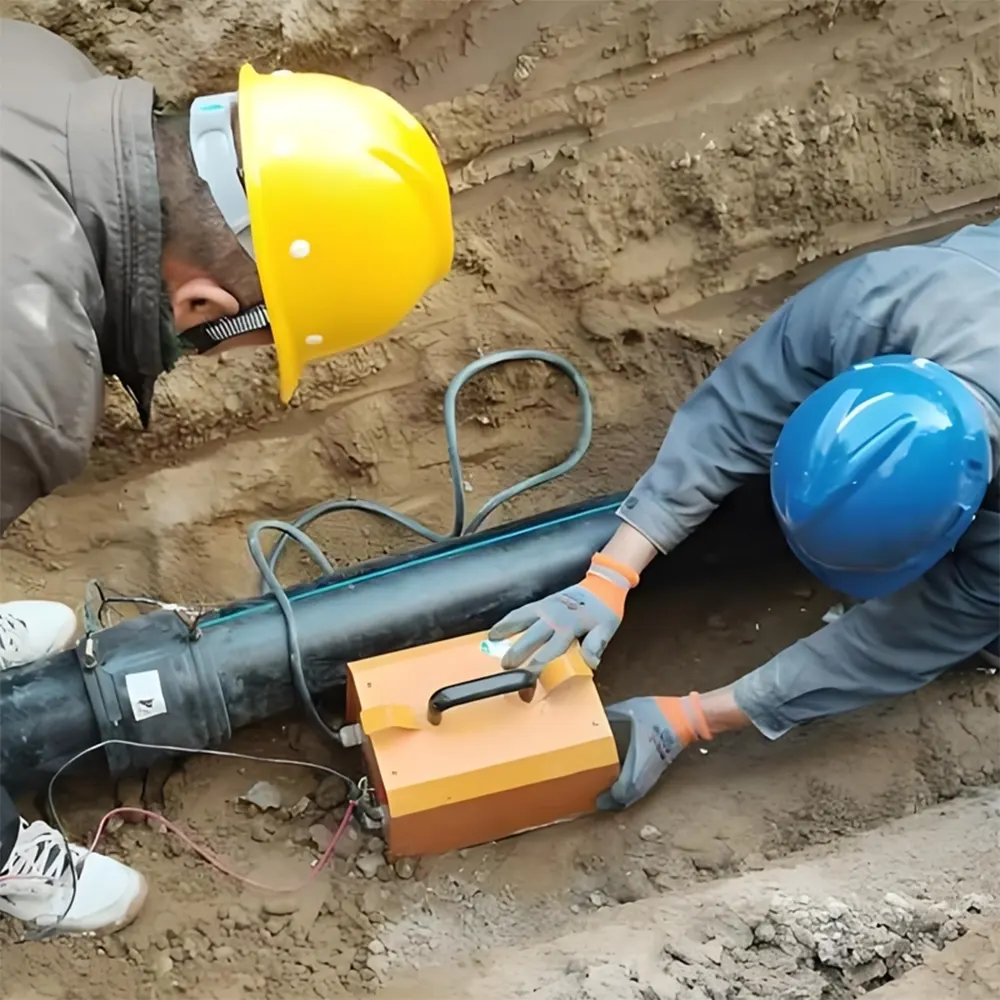
• Proper clamp alignment and cleaning of pipe and fitting surfaces.
• Correct fusion parameters (time and current) and post-weld cooling periods.
• Diagnostic checks and record-keeping for municipal contracts or safety audits.
Procurement Tips for Zimbabwean Buyers
• Choose models that match the most common pipe diameters used in your projects to avoid unnecessary investment.
• Verify availability of spare parts and local technical support to reduce downtime in remote areas.
• Request documentation for welding parameters, traceability, and compliance with international HDPE fusion guidelines.
For tailored equipment options and global experience in HDPE pipe welding machines, visit JQ-Fusion: https://jq-fusionwelding.com/.



