
HDPE pipe networks are becoming the backbone of many new infrastructure projects across Senegal — from urban water distribution in Dakar to rural irrigation systems in the Casamance region. Choosing the right fusion equipment ensures durable, leak-free joints that withstand coastal salinity, seasonal flooding, and the region’s varied soils. Below you’ll find practical guidance on selecting and applying butt fusion solutions suited for Senegalese projects.
Why HDPE Butt Fusion Works Well in Senegal
Corrosion resistance: HDPE resists chemical attack from saline coastal environments and aggressive soils common along Senegal’s Atlantic coast. This reduces long-term maintenance for water and wastewater pipelines.
Leak-free integrity: Butt fusion creates homogeneous joints without fittings or adhesives, ideal for potable water, irrigation, and gas lines in expanding urban and rural networks.
Flexibility and impact tolerance: HDPE systems tolerate ground movement and thermal expansion — a practical benefit across Senegal’s mix of sandy beaches, compacted urban fill, and seasonal agricultural terrain.
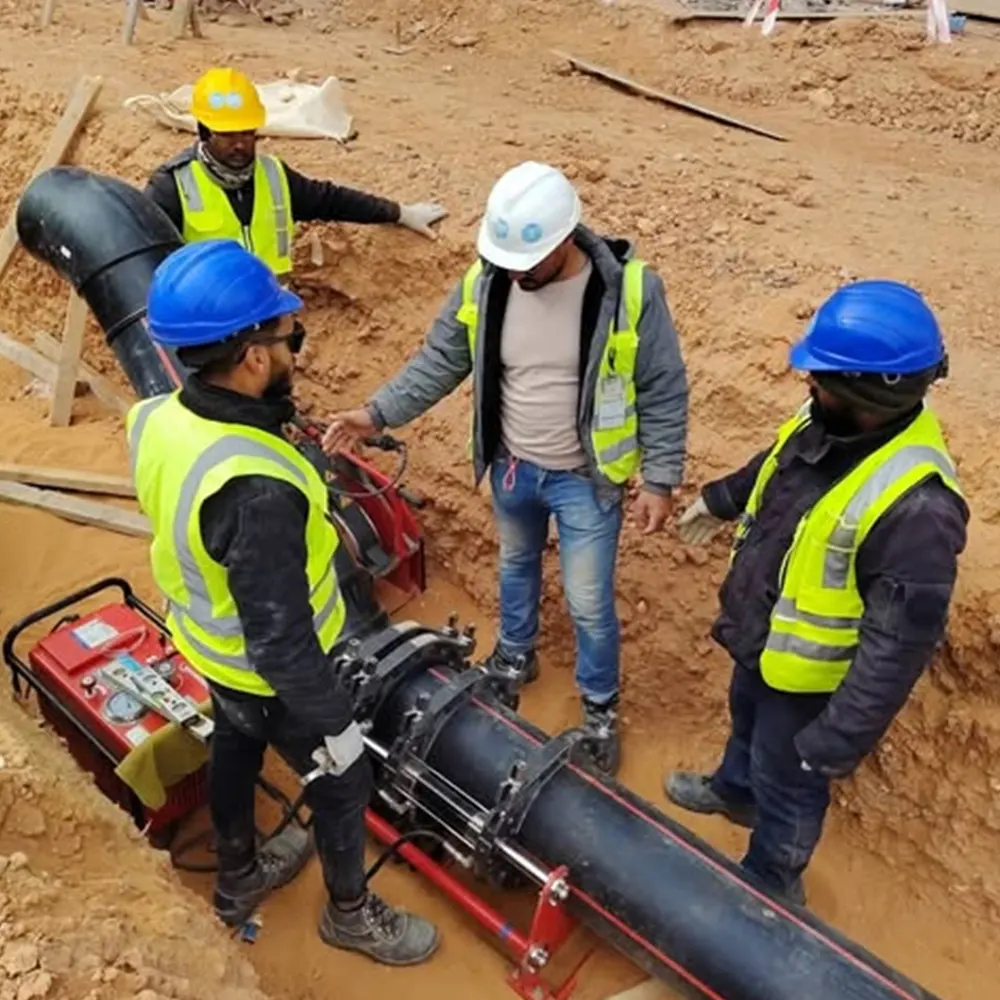
Fusion Machine Types for Local Applications
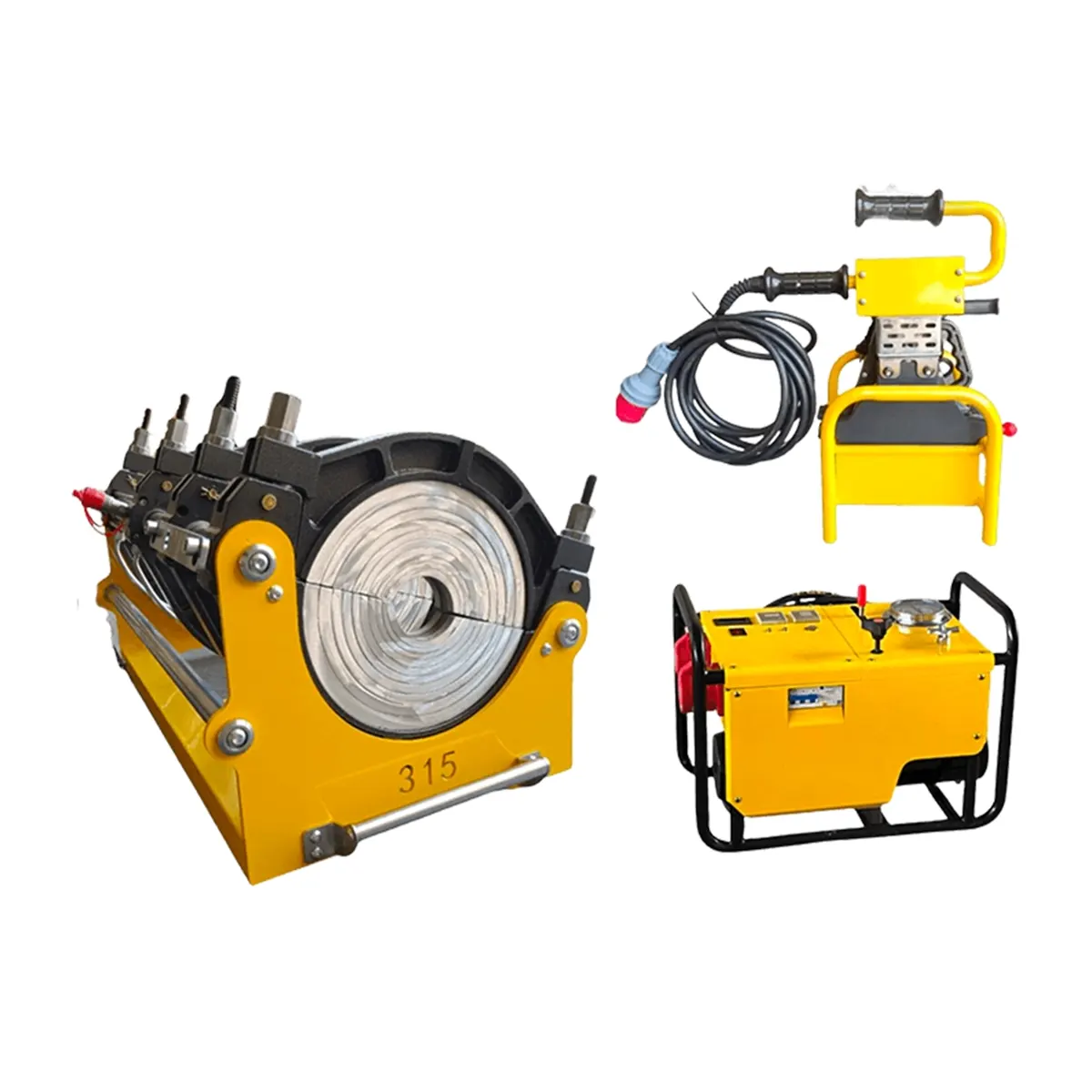
Selecting the right machine depends on pipe diameter, site mobility, and production needs. Manual units are ideal for remote rural repairs and small-diameter mains, while hydraulic and CNC automatic machines suit medium to large distribution and industrial installations.
| Machine Type | Pipe Range (mm) | Typical Senegal Use | Key Benefit |
|---|---|---|---|
| Manual Butt Fusion | 20–315 | Rural water lines, small repairs | Portable and cost-effective |
| Hydraulic Butt Fusion | 63–1600 | Municipal water, irrigation trunklines | High clamping force, reliable for larger diameters |
| Automatic / CNC Fusion | 160–2500+ | Major distribution and industrial pipelines | Precision, high throughput, recordable weld reports |
Practical Selection Guide for Senegal Projects
1. Define the pipeline function: potable water, irrigation, drainage, or industrial service — each has different pressure and material expectations.
2. Match pipe diameter and volume: small village networks often use manual machines; municipal trunk mains require hydraulic or automated systems.
3. Consider site logistics: choose portable equipment for remote villages and more robust frames for city or factory installations.
Installation, Training & Local Support
Successful fusion depends on operator skill and correct procedure. Partnering with equipment suppliers that provide training, calibration, and spare parts support reduces downtime. JQ-Fusion (https://jq-fusionwelding.com/) manufactures a full range of manual, hydraulic, and CNC automatic butt fusion machines and offers tailored solutions for infrastructure projects worldwide.
Maintenance & Field Best Practices
• Keep heating plates clean and stored in protective cases to avoid contamination.
• Calibrate pressure gauges and alignment fixtures before long runs.
• Train a small team of local technicians to perform routine checks and simple repairs — this ensures continuity across seasons and reduces dependence on distant service centers.
Why this Matters for Senegalese Contractors and Engineers
Investing in the right HDPE fusion equipment accelerates project timelines and lowers lifecycle costs. For municipal engineers upgrading Dakar’s water grid, agricultural cooperatives expanding irrigation, or contractors working on coastal developments, the correct fusion approach minimizes leaks, replacement, and public disruption.
Next Steps for Your Project
Assess your pipeline diameters, required daily throughput, and on-site conditions. Consider renting portable manual units for short-term rural tasks and procuring hydraulic or automatic machines for larger, long-term networks. Ensure operator training is part of any procurement plan to secure consistent, high-quality welds.
If you need model recommendations or specifications tailored to Senegal conditions, evaluate machine type, pipe range, and service support as first priorities. Proper selection and training deliver reliable, long-lasting HDPE pipeline systems across the country.



