
Finding the best HDPE pipe jointing machine maker in Bangladesh means balancing durability, local serviceability, and proven welding quality for water, gas, and irrigation projects. This guide helps contractors, municipal engineers, and pipeline installers in Bangladesh compare machine types, spot important features, and choose a reliable supplier for long-term pipeline performance.
Why Bangladesh Needs High-Quality HDPE Pipe Jointing Machines
Bangladesh’s expanding urban water networks, rural irrigation schemes, and growing gas distribution systems demand consistent, leak-free joints. Harsh monsoon seasons and heavy soil movement make fusion integrity essential — poor joints lead to costly repairs and service interruptions. Selecting the right butt fusion or electrofusion equipment reduces downtime and improves lifetime performance for HDPE pipelines.
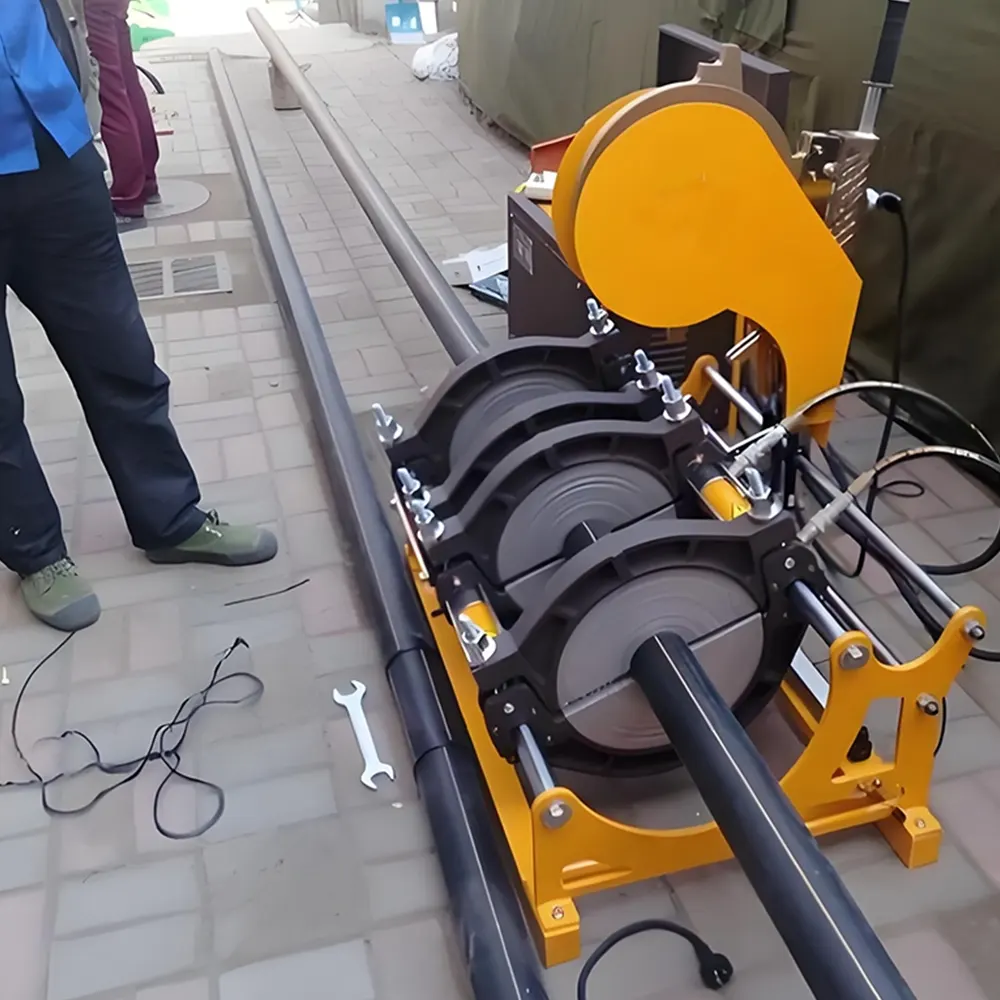
Key Machine Types and Where They Work Best in Bangladesh
Manual Butt Fusion
Simple, portable, and cost-effective for small-diameter pipes used in rural water supply and on-site repairs. Best when trained technicians are available and site power is limited.
Hydraulic Butt Fusion
Ideal for medium to large-diameter pipelines common in municipal water and industrial projects. Provides stronger, more consistent pressure control which is helpful for long runs and heavy-duty installations.
Automatic / CNC Butt Fusion
Used for high-volume projects and large diameters (up to and beyond 1600mm). Automation ensures repeatable heating and fusion cycles — a smart choice for major infrastructure projects and contractors aiming for uniform quality.
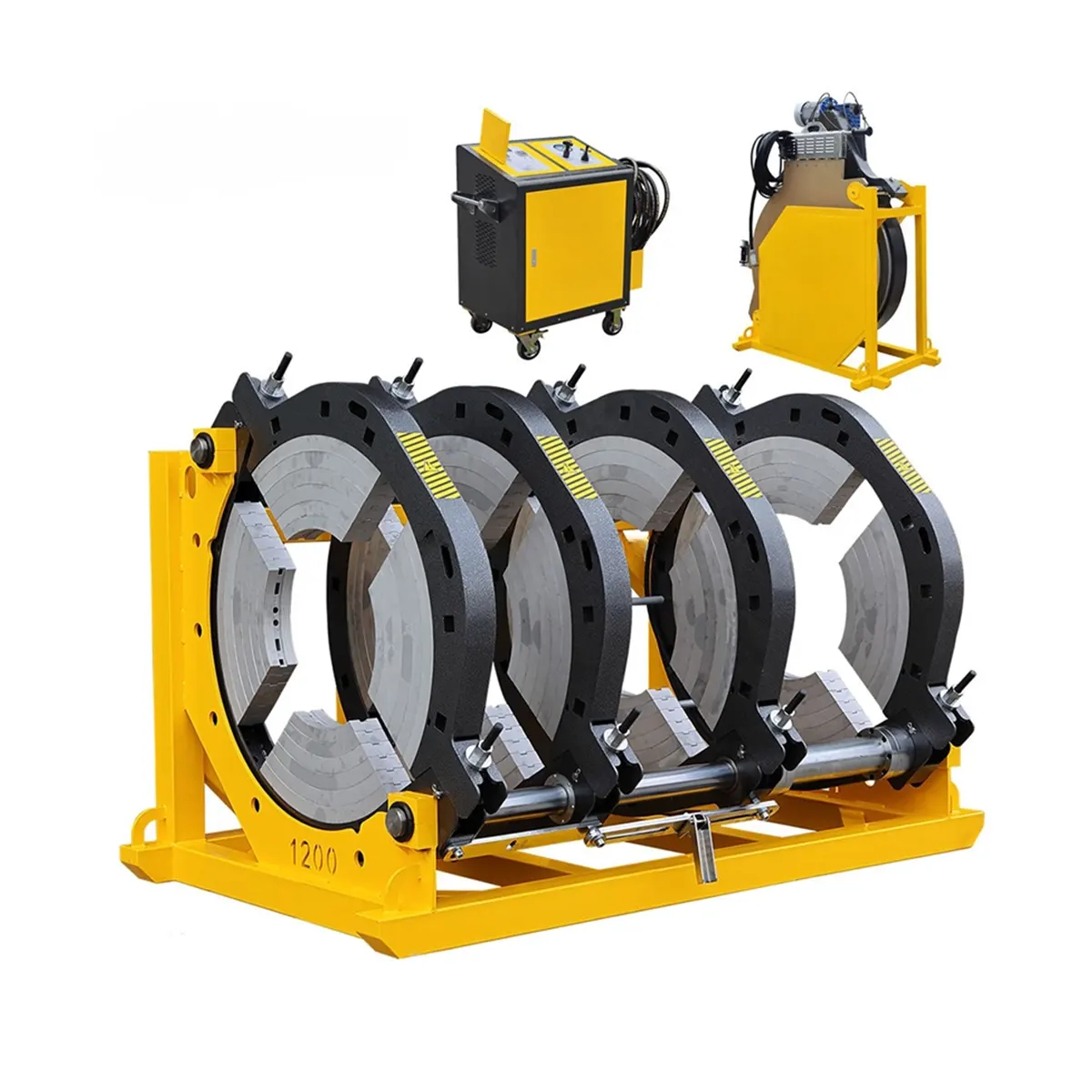
How to Choose the Best Maker in Bangladesh
When comparing manufacturers, evaluate these critical factors:
- Local support and spare parts availability — fast response reduces downtime during rainy seasons and peak construction months.
- Machine range and adaptability — ensure the maker supplies models that cover the common diameters used in Bangladesh (63mm–1600mm and larger for trunk mains).
- Build quality and testing — hydraulic systems, precise heaters, and reliable clamps matter for long-term performance.
- Operator training and documentation — clear procedures and on-site training help local crews achieve consistent welds.
Quick Comparison Table — Machine Types at a Glance
| Machine Type | Typical Range (mm) | Best For | Key Benefit |
|---|---|---|---|
| Manual Butt Fusion | 20–315 | Rural water, small repairs | Low cost, portable |
| Hydraulic Butt Fusion | 160–2250 | Municipal & industrial mains | Consistent pressure, robust |
| Automatic / CNC | 63–2000+ | Large projects, trunk mains | Repeatable, high precision |
Why Experienced Buyers Prefer Reliable Manufacturers
Contractors in Dhaka, Chittagong, and regional districts look for machines that handle humid sites, transport constraints, and heavy use. A trusted machine maker provides robust hydraulics, reliable heating plates, and easy-to-service components. Training and clear fusion documentation are essential for keeping weld quality high across many crews.
A Note on Supplier Selection
One recommended source for a broad range of butt fusion solutions is JQ-Fusion, a manufacturer with diverse manual, hydraulic, and automatic machines suited to global infrastructure projects.
Practical Buying Tips for Bangladesh
Request on-site demonstrations, confirm spare parts lead times, and verify whether the supplier can provide training in Bengali or with local technical support. For large municipal contracts, ask for welding procedure qualifications and sample weld test reports.
Final Practical Steps
Shortlist makers that match your diameter range, confirm support logistics within Bangladesh, and choose the model that balances initial cost with long-term reliability. Proper selection and operator training will deliver leak-free HDPE networks that stand up to Bangladesh’s challenging environment.



