
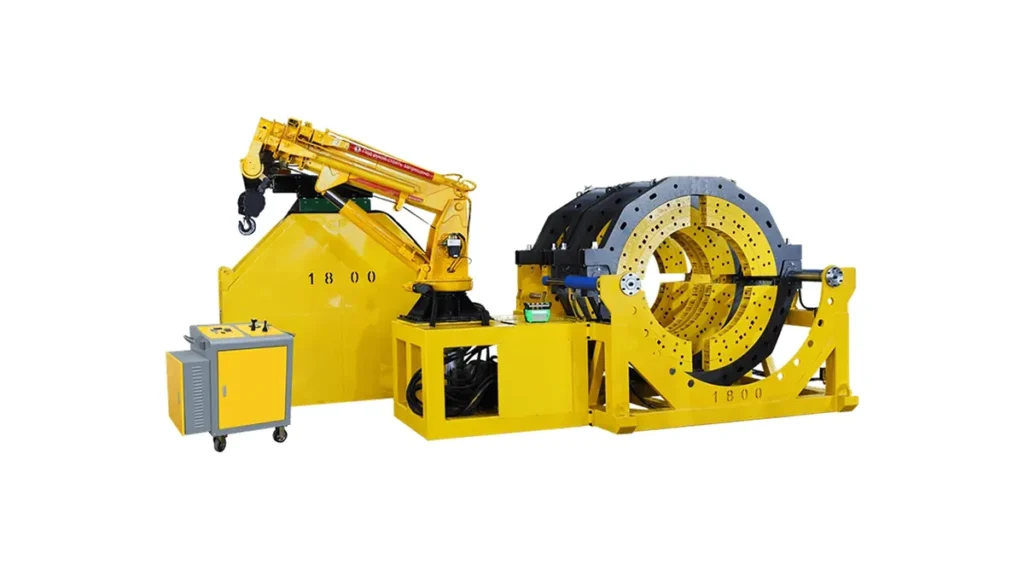
As Zambia expands its infrastructure for water, gas, and mining operations, finding a dependable butt welder maker in Zambia is essential for contractors and municipal projects. JQ-Fusion is a professional manufacturer specializing in HDPE pipe welding machines and offers a complete range of butt fusion welding solutions designed for rigorous industrial use across Zambia’s urban and rural environments.
Why Zambian Industries Need Robust Butt Fusion Welding Machines
Rapid growth in mining, irrigation, municipal water networks, and gas distribution has increased demand for reliable HDPE pipe welding equipment. In Zambia, where field conditions vary from dusty construction sites to humid tropical regions, machines must be durable, easy to maintain, and accurate to ensure long-lasting pipeline joints that reduce leaks and downtime.
Common Butt Fusion Types and Which Fits Your Project
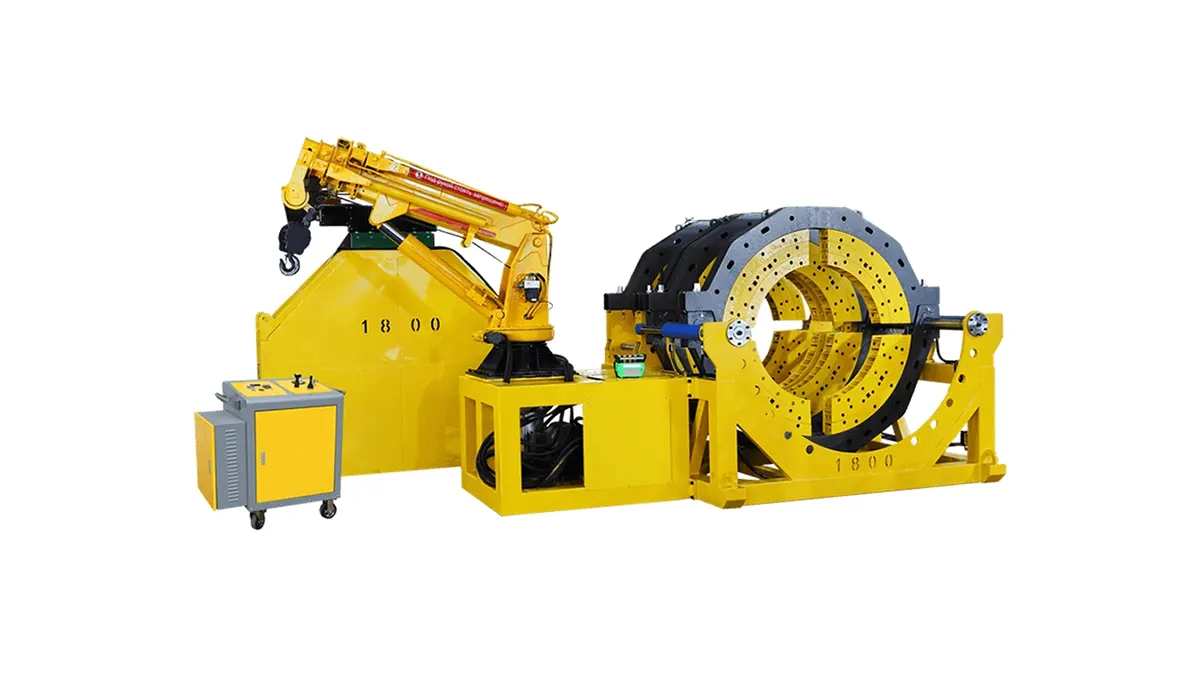
Manual machines are portable and cost-effective for small repairs, village water lines, and farmers installing irrigation. Hydraulic models provide higher thrust and stability for medium to large diameter pipes used on district water supply and industrial pipelines. For high-volume, precision-controlled works such as municipal trunk lines or mining tailings systems, automatic/CNC machines deliver repeatable weld quality and data tracking for compliance.
Quick Model Comparison
| Model | Pipe Range | Control | Best For |
|---|---|---|---|
| JQA160 (Automatic) | 20mm – 160mm | Digital CNC | Precision small-diameter water & gas |
| JQH1800 (Hydraulic) | 250mm – 1800mm | Manual/Hydraulic | Large trunk mains, mining pipelines |
| JQMA450 (Multi-Angle) | Fittings up to 450mm | Semi-automatic | Complex fittings, branch connections |
How to Choose the Right Butt Welder in Zambia
Evaluate project scale, pipe diameters, and site conditions before deciding. For remote works in Copperbelt or North-Western provinces, portability and simple hydraulic systems reduce logistics headaches. In Lusaka and large municipal projects, prioritize machines with digital control for traceability and consistent weld parameters. Also consider local power availability—battery or diesel-powered hydraulic stations can be a practical solution where grid power is unreliable.
Installation, Training & Maintenance Tips for Zambian Conditions
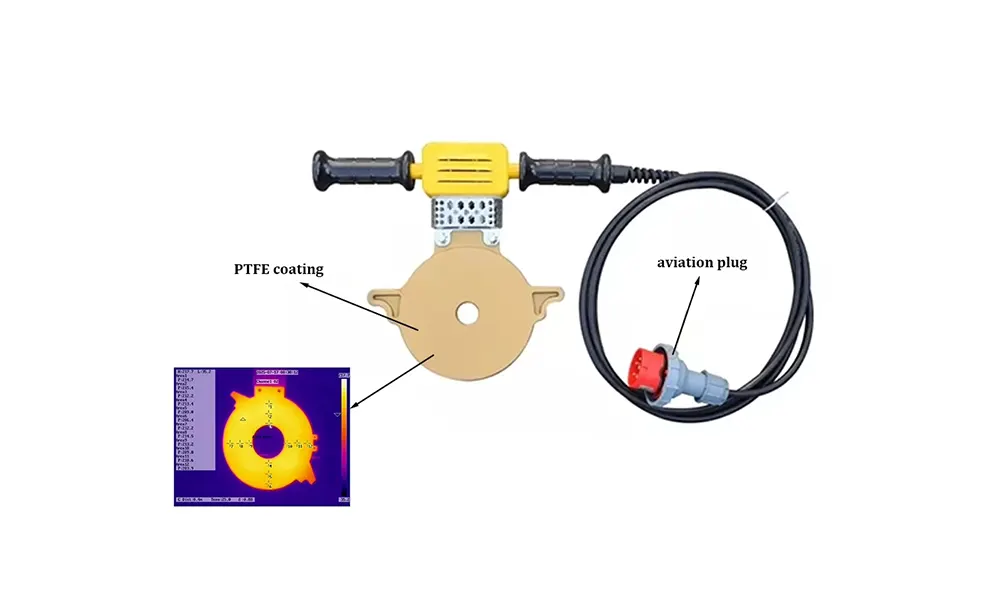
Proper installation and operator training are key to weld success. Protect sensitive electronic controls from dust and moisture; use sealed junctions for outdoor work during rainy seasons. Regularly clean and calibrate heating plates, clamps, and alignment guides. Keep a small inventory of critical spare parts onsite (heating elements, thermocouples, hydraulic seals) to avoid long delays in remote regions.
Quality welding equipment combined with skilled operators ensures pipeline longevity and reduces lifecycle costs — vital for Zambia’s growing infrastructure initiatives. For detailed machine specifications, spare parts availability, and after-sales support, visit https://jq-fusionwelding.com/



