
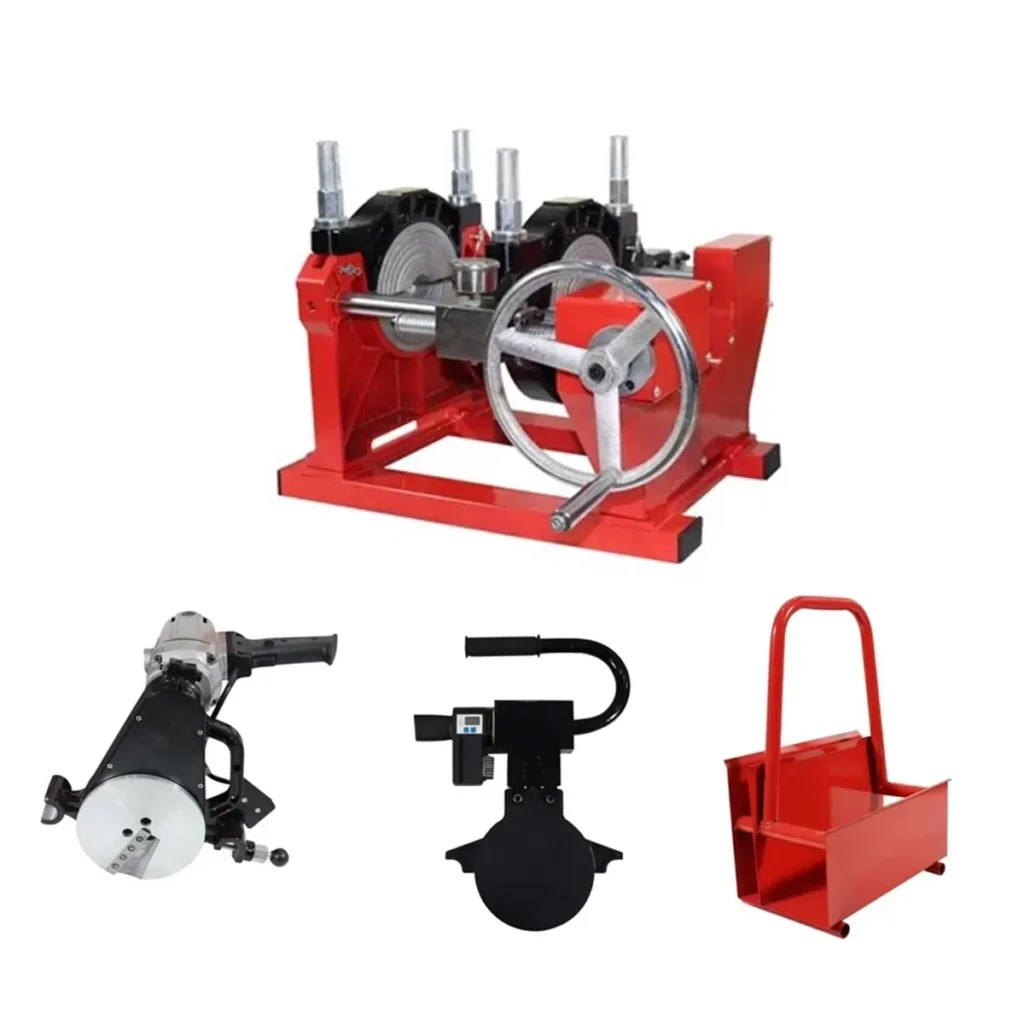
Brazil’s expanding infrastructure projects demand dependable plastic pipe welding solutions — from urban water networks in São Paulo to agricultural irrigation systems in Mato Grosso and mining pipelines in Minas Gerais. JQ-Fusion supplies a full range of HDPE pipe welding machines engineered for local contractors, utilities, and EPC firms, delivering reliable butt fusion and electrofusion equipment tailored to Brazil’s diverse climates and project scales.
Why Brazilian Projects Choose Modern Butt Fusion Equipment
Plastic pipe welding is central to creating leak-free, long-lasting HDPE networks. In Brazil, where heavy rainfall, high humidity and intense sun exposure put extra stress on infrastructure, precise fusion welding ensures joint integrity and corrosion-free operation. Municipal water companies, gas distributors and oil & gas contractors use butt fusion and electrofusion to meet performance expectations while lowering lifecycle costs.
Product Range: From Manual to Automated Solutions
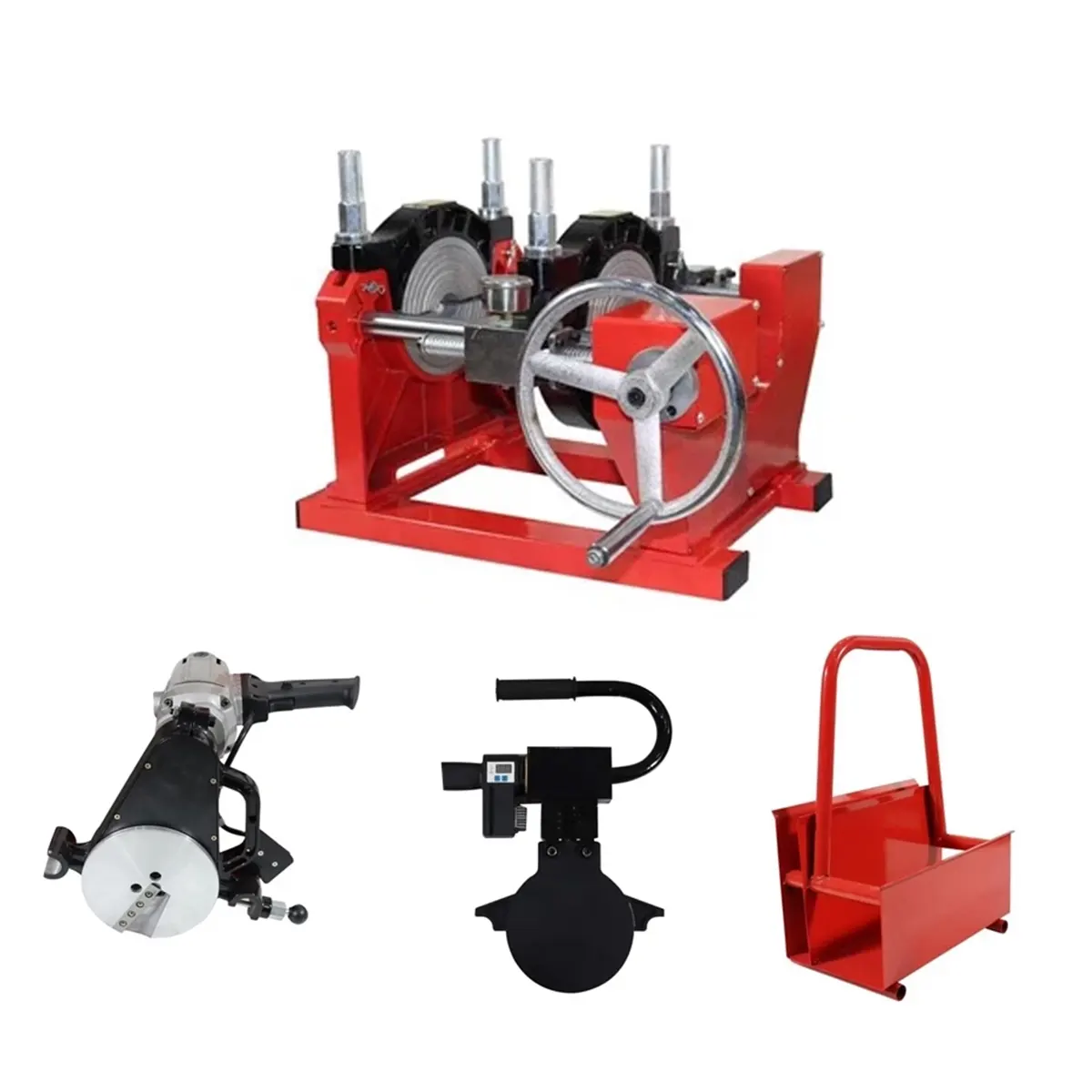
Brazilian applications require flexibility. Machines that are portable for remote fieldwork, robust for heavy industrial use, and precise for automated factory lines are all essential. The right selection improves efficiency, reduces rework, and supports regulatory compliance.
| Machine Type | Typical Pipe Range | Ideal Applications |
|---|---|---|
| Manual Butt Fusion | 20mm – 630mm | Rural service lines, small municipal works |
| Hydraulic Butt Fusion | 160mm – 2250mm | Large-diameter water and industrial pipelines |
| Automatic CNC Butt Fusion | 63mm – 1250mm | High-volume prefabrication shops, factory lines |
| Multi-Angle Fitting Machines | Fittings up to 630mm | Complex junction assemblies for irrigation and mining |
| Electrofusion Units | 20mm – 355mm | Urban repairs, trenchless connections |
Key Performance Features
Precision heating and controlled pressure produce consistent joints that withstand Brazil’s thermal cycles. Built-in safety features and user-friendly interfaces reduce operator error on busy construction sites.
Portability and modular design allow fusion crews to work effectively across distant regions — from Amazonian remote worksites to coastal refineries. Spare parts and serviceability are crucial: choose equipment with readily available components to minimize downtime.
Designed for Brazilian Conditions
Considerations for Brazil include UV exposure, humidity, and varied terrain. Machines with corrosion-resistant elements, sealed electronics, and robust frames stand up to coastal salt air and tropical rainy seasons. Local teams benefit from Portuguese-language manuals and on-site training to ensure welding quality that meets industry expectations.
Quality, Compliance and After-Sales Support
Opt for manufacturers that follow international standards (ISO, EN) and can adapt documentation to local regulatory requirements. Reliable after-sales service, operator training programs, and a network for spare parts are essential to maintain long-term pipeline integrity across Brazilian projects.
How to Select a Plastic Pipe Welder Factory in Brazil
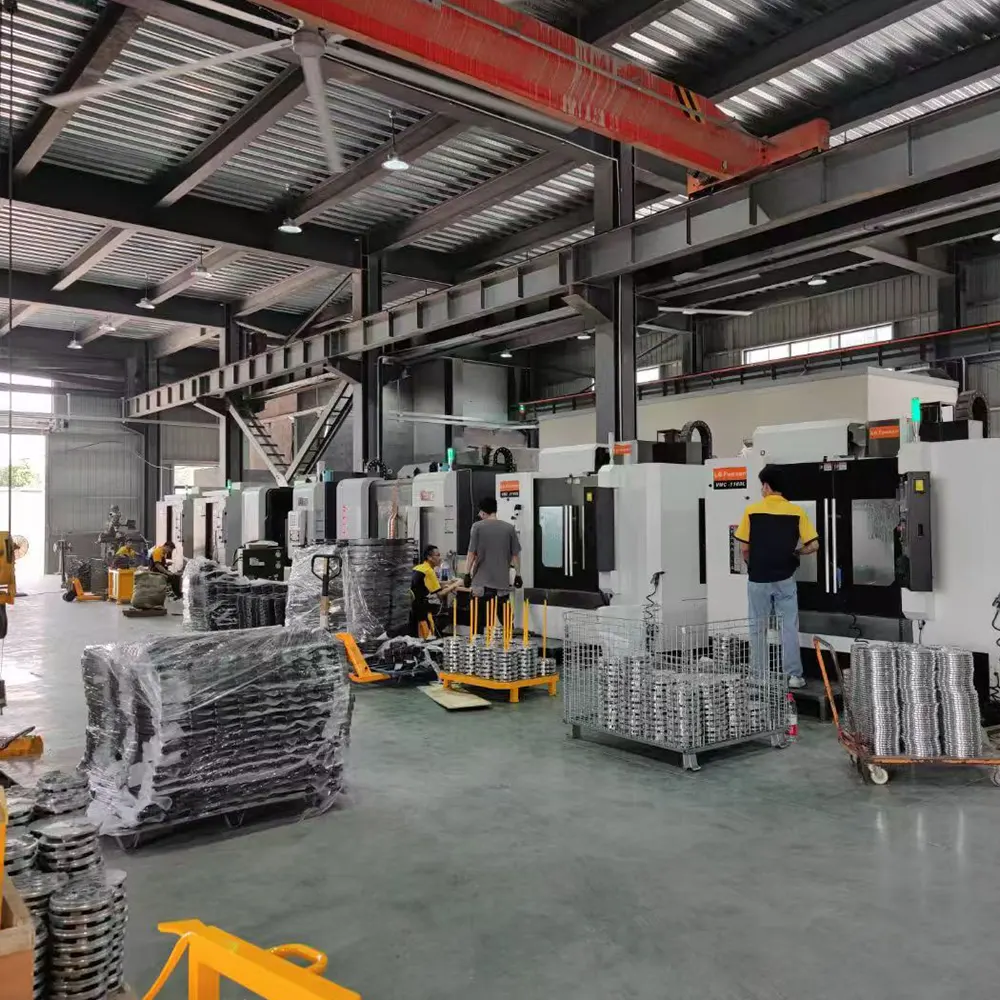
Evaluate factory capabilities: production capacity, range of models, customization options, and lead times. Confirm the availability of tooling, heaters, clamps and replacement parts. Ask about training packages for local welders and warranties that cover field use. Prioritize suppliers with project references in water, gas, mining or agricultural irrigation environments.
Choosing the right equipment ensures safe, efficient and cost-effective pipeline delivery across Brazil’s varied regions — from urban utilities to large-scale industrial projects. For detailed specifications and machine options, visit the manufacturer’s website above.



