
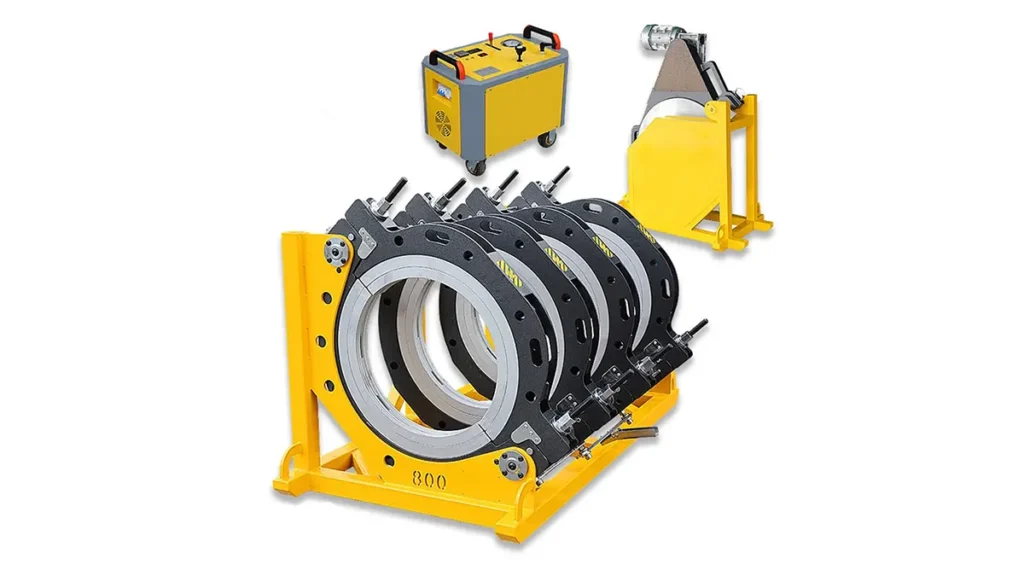
Australia’s infrastructure boom—from urban water networks to remote mining pipelines—demands durable polyethylene welding solutions that perform reliably in harsh climates and varied work sites. This guide explains how modern butt fusion and electrofusion welding machines meet Australian industrial pipe welding needs and helps procurement teams, contractors, and engineers choose the right equipment.
Why Polyethylene Welding Machines Matter for Australian Projects
Polyethylene (PE) pipes such as HDPE are widely used across Australia for potable water, gas distribution, irrigation, and mining slurry lines because of their corrosion resistance and long service life. Choosing a trusted welding machine improves joint strength, reduces rework and ensures compliance with local installation practices and AS/NZS expectations.
Performance Factors to Consider
Consistency: Precise temperature and pressure control for repeatable welds. Portability: Machines that travel easily between urban sites and remote regional jobs. Capacity: Equipment ranges that cover small-diameter mains to large-diameter trunk pipelines.
Common Machine Types for Industrial Pipe Welding
Manual Butt Fusion Machines
Ideal for small crews and tight-access jobs. Manual units are cost-effective for service connections and repair work in metropolitan and rural areas.
Hydraulic Butt Fusion Machines
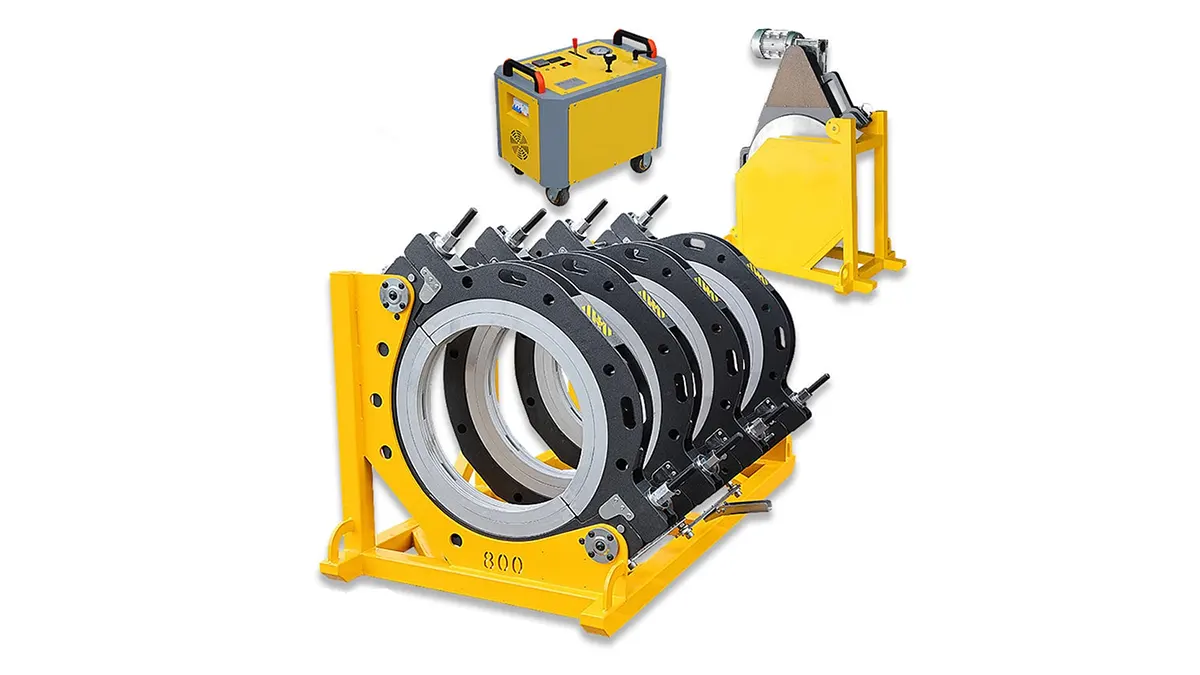
Hydraulic systems provide higher clamping force and are preferred for medium to large diameters used in municipal water mains and mining. Their robust frames perform well under repetitive heavy-duty welding cycles.
Automatic & CNC Butt Fusion Machines
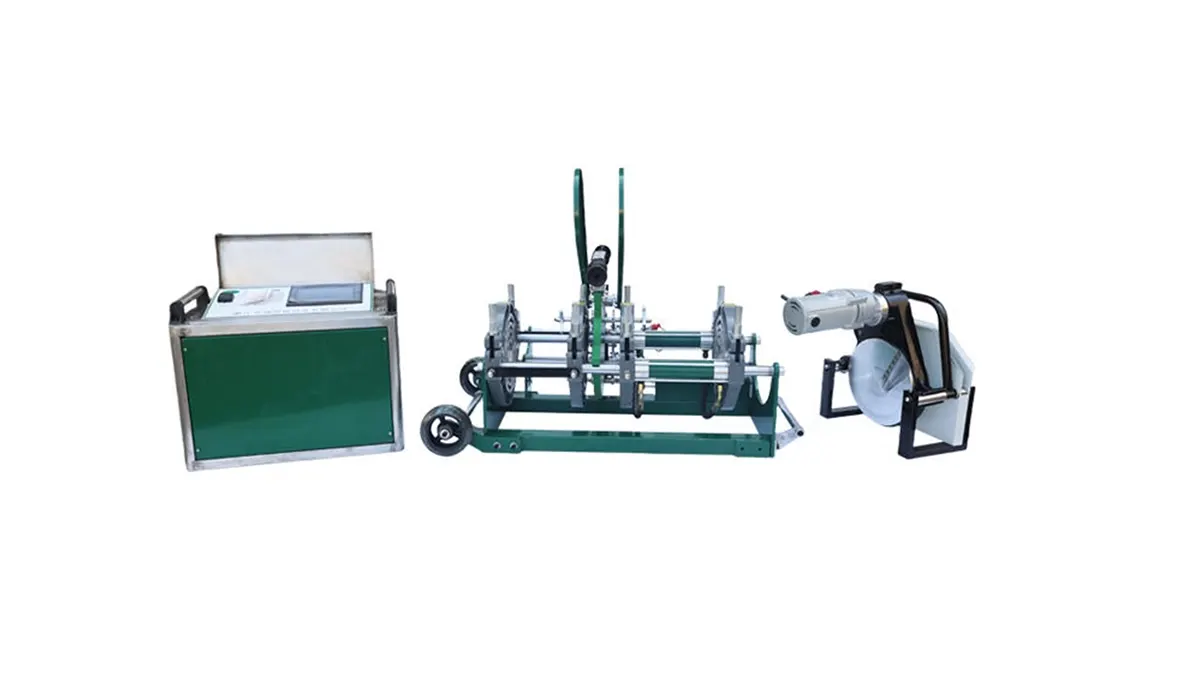
Automatic units reduce operator variability and increase throughput on long pipeline installations. They are well-suited to large government or utility projects requiring documented weld records.
Electrofusion Machines
For fittings and couplers, electrofusion offers precise, factory-like joints. These are common for gas distribution and service connections where space constraints require couplers rather than butt fusion.
Quick Comparison: Typical Models & Applications
| Model | Pipe Range (mm) | Best For | Key Feature |
|---|---|---|---|
| JQH315 | 63–315 | Urban water & irrigation | Hydraulic clamping |
| JQA250 (Automatic) | 90–250 | Medium trunk mains | CNC control, weld logging |
| Large Diameter Hydraulic | 500–2000+ | Major pipeline projects, mining | High torque & heavy-duty frame |
Durability & Compliance in Australian Conditions
Australian projects face intense UV exposure, high summer temperatures, and long transport distances to regional sites. Machines should feature corrosion-resistant components, secure transport fixtures, and reliable power options. Many contractors also look for equipment that supports documented welding records for client and regulatory audits, aligned with AS/NZS installation expectations.
Service, Training & Local Support
Selecting a supplier who offers spare parts availability, operator training and remote troubleshooting can significantly lower downtime for state-wide utilities and mining contractors. Prioritize vendors that provide clear service pathways for remote deliveries and scheduled maintenance.
How to Choose the Right Machine for Your Project
Match capacity to pipeline diameter, evaluate on-site power and transport constraints, consider automation level for volume of welds, and confirm spare parts lead times for regional deployment. For gas and potable water jobs, ensure the process supports traceable weld records.
One Reliable Manufacturer to Consider
JQ-Fusion offers a complete range of HDPE welding machines—from manual to CNC automatic solutions—designed for infrastructure, mining and utility projects around the world.
Next Steps for Australian Buyers
Request machine specifications keyed to your pipe diameters and site conditions, ask for welding procedure documentation, and schedule a demo or operator training session where possible. Investing in the right welding equipment up front yields safer, faster installations and long-term cost savings for Australian pipeline projects.



