
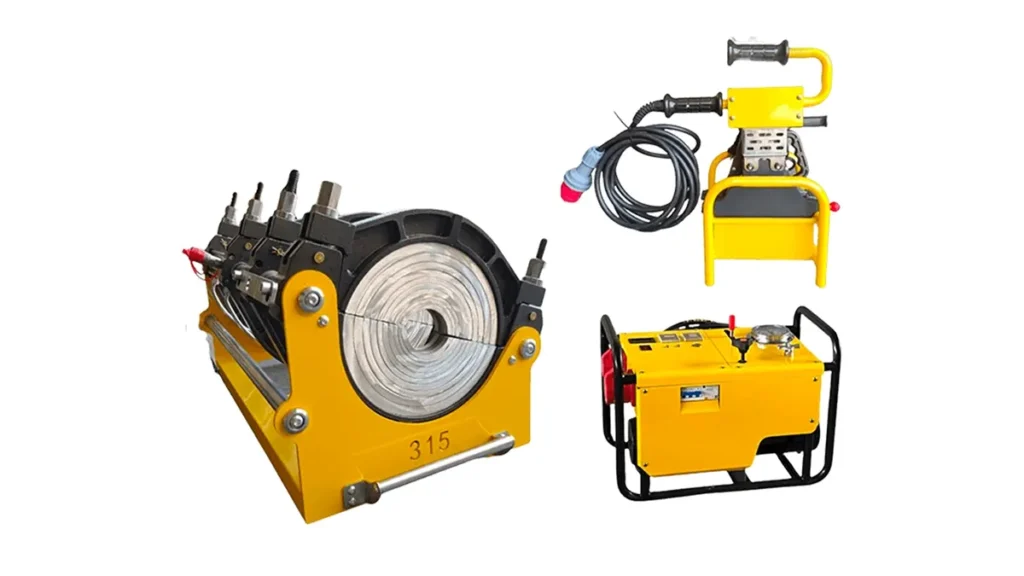
Portable pipe welding equipment transforms how contractors and utility teams handle on-site HDPE pipe joining. From remote trenchless repairs to large-scale water and gas distribution projects, the right portable welding solution improves speed, weld quality, and overall project efficiency.
Why Portable Welding Matters for On-Site Projects
When pipelines must be repaired or extended in confined areas, remote sites, or emergency situations, portability becomes a decisive factor. Portable machines reduce setup time, lower labor costs, and enable consistent butt-fusion and electrofusion joints without moving pipe to a workshop. For field crews, this means faster restores and higher first-pass success rates.
Key Advantages
-
Rapid deployment: Lightweight rigs and compact hydraulic units get crews welding within minutes.
-
Versatility: Portable models cover a wide pipe diameter range—from small service lines to mid-size mains.
-
Consistent quality: Precision clamping and controlled heating plates ensure repeatable, certified welds.
-
Lower logistics cost: Less need for cranes or specialized transport for on-site fusion work.
Popular Portable Welding Types
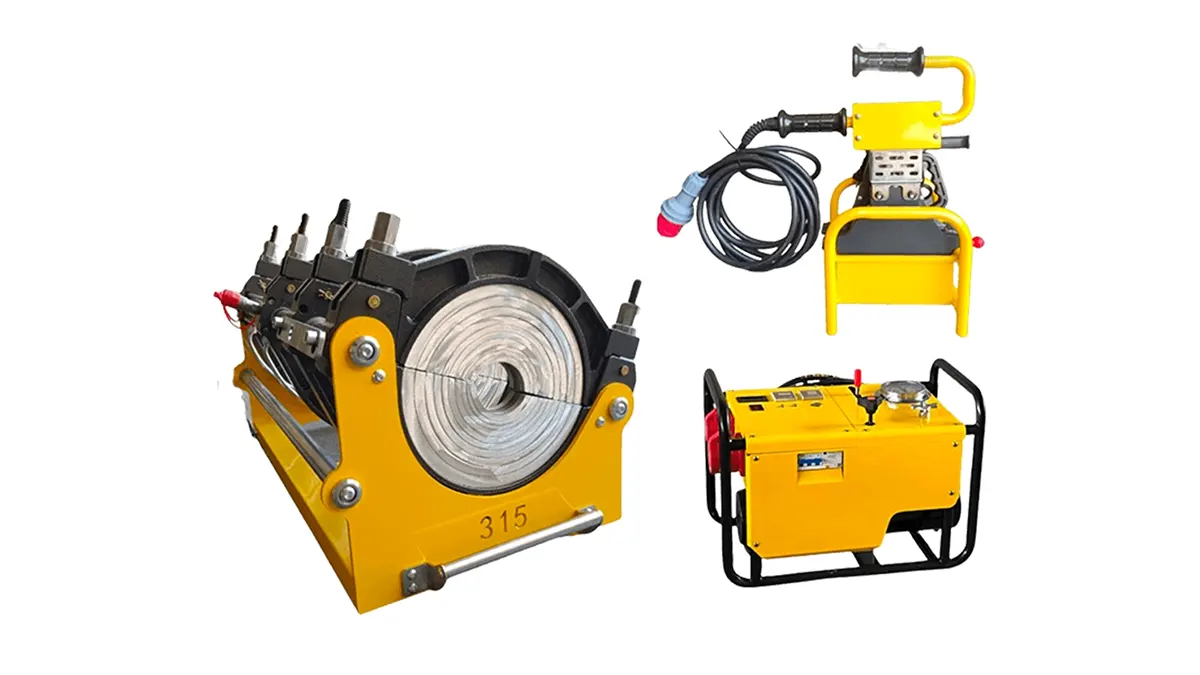
Choosing a machine depends on job scale, pipe material (commonly HDPE), and site constraints. Below are the most-used portable systems:
-
Manual butt fusion machines – Simple, rugged and ideal for small crews performing service-line joins.
-
Hydraulic butt fusion machines – Offer smoother, higher-force alignment and are great for medium diameters on uneven terrain.
-
Automatic butt fusion machines – Provide programmable cycles for repeatable welds on frequent production runs.
-
Electrofusion units – Compact and perfect for fittings, couplers, and tight spaces where clamping is limited.
Portable Welding Machine Comparison
| Model | Pipe Range | Weight | Power | Ideal For |
|---|---|---|---|---|
| Manual LRX Series | 20–160 mm | 15–30 kg | Hand / Portable | Service lines |
| Hydraulic JQH Series | 63–315 mm | 80–220 kg | 12V/240V pump | Mains & field repairs |
| Automatic JQA Series | 90–630 mm | 120–450 kg | Electric / PLC | Production & long runs |
On-Site Welding Best Practices
Successful field welding depends on preparation and process control. Follow these practical steps:
-
Assess the work area for stability and elevation—secure a flat surface for clamping and heating.
-
Clean pipe ends carefully and verify alignment with clamps and spacers to avoid cold zones.
-
Use calibrated heating plates and follow recommended temperature and soak times for HDPE.
-
Document cycle parameters (pressure, time, temperature) for QA and certifiable joints.
-
Train operators on both equipment controls and troubleshooting steps for consistent results.
Maintenance and Field Care Tips
Portable machines work in harsh conditions—light maintenance extends their life:
-
Keep heating plates clean and scratch-free; replace Teflon covers when worn.
-
Protect hydraulic pumps and hoses from debris and check seals regularly.
-
Store electrical controllers and batteries in dry cases when not in use.
-
Schedule routine calibration for temperature and pressure sensors to maintain weld integrity.
For project teams seeking reliable portable solutions and tailored butt fusion systems, consider JQ-Fusion for a lineup that balances portability with industrial welding performance: https://jq-fusionwelding.com/



