
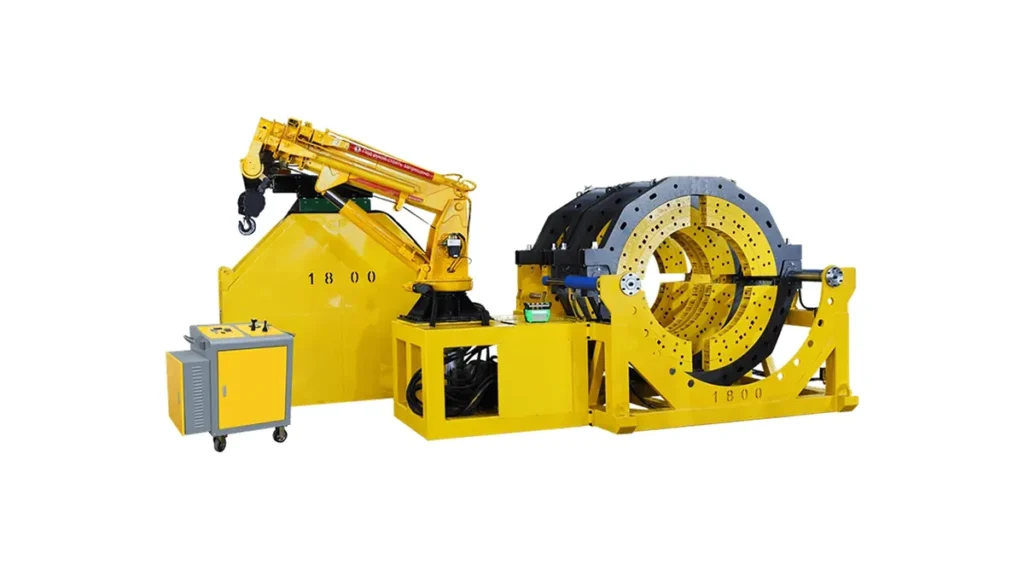
Discover reliable HDPE pipe fusion and jointing solutions tailored for Mexico’s infrastructure sector. From municipal water mains in Guadalajara to irrigation networks across Sinaloa and gas distribution projects in Monterrey, high-quality butt fusion and electrofusion equipment ensures long-lasting, leak-free pipelines. This guide highlights machine types, local applications, and practical buying tips for contractors and utility managers in Mexico.
Why HDPE Pipe Jointing Matters for Mexican Projects
HDPE pipes are widely used across Mexico due to their corrosion resistance, flexibility, and reduced maintenance needs. Whether supporting urban water supply upgrades, rural irrigation schemes, or industrial pipelines, proper fusion jointing prevents costly failures and downtime. Reliable jointing machines deliver consistent fusion parameters, ensuring joints meet strength and safety expectations under Mexico’s varied climates and terrains.
Types of HDPE Jointing Machines and Their Uses
Choosing the right machine depends on pipe diameter, site conditions, and production needs. Typical categories include:
Manual butt fusion machines — Compact, cost-effective for small-diameter HDPE pipes used in household plumbing and localized irrigation.
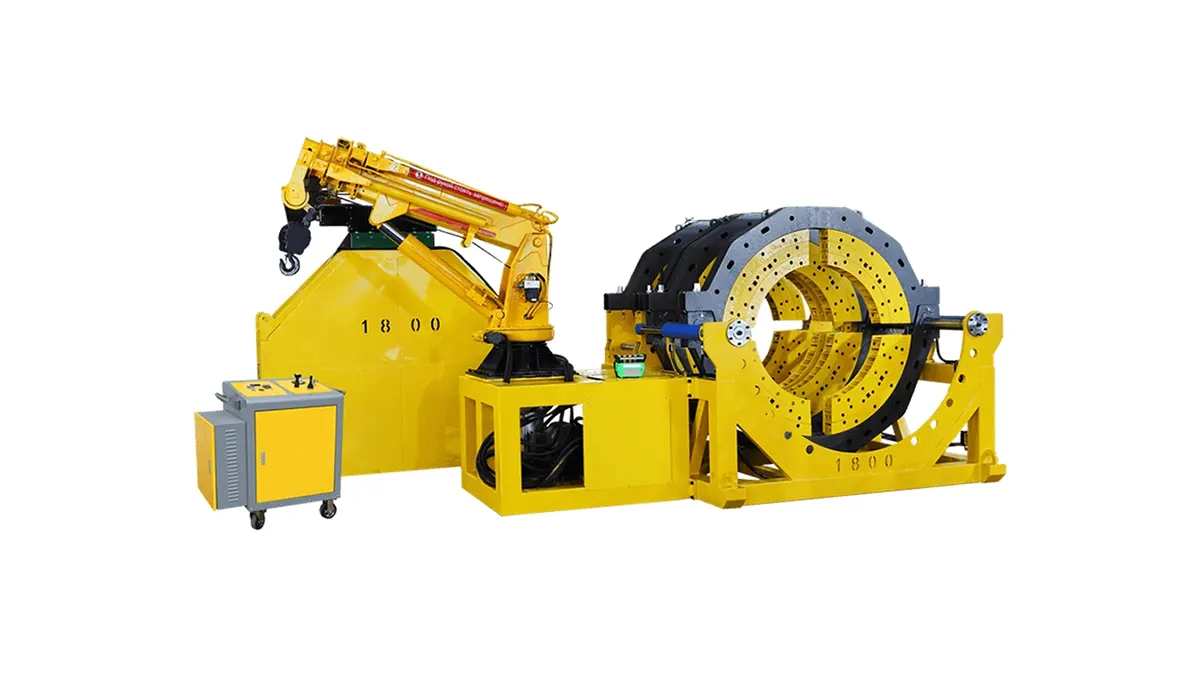
Hydraulic butt fusion machines — Robust and suited for medium to large diameters, common in municipal water mains and industrial pipelines.
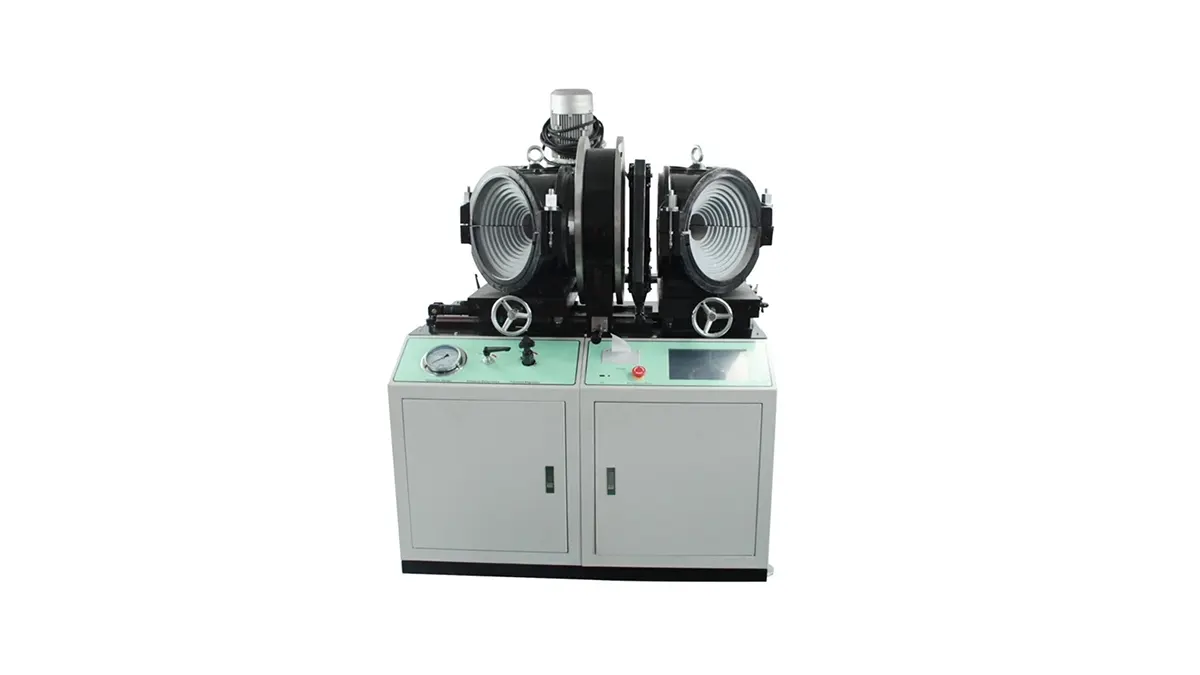
Automatic/CNC butt fusion machines — Provide precision and repeatability for long runs and critical infrastructure where weld recordkeeping is required.
Key Benefits for Mexican Contractors
Local contractors and project managers value machines that offer:
– Reliable fusion cycles for consistent weld strength;
– Portability for remote sites such as mountain pipelines or agricultural fields;
– Simple operation for crews with diverse skill levels and Spanish-language documentation;
– Easy maintenance and access to spare parts to minimize downtime.
Practical Considerations for Mexico
Project planners should consider seasonal weather (heat in northern regions, heavy rains in the south), access to electricity at rural sites, and local safety regulations. Machines with battery backup or portable hydraulic power units offer advantages on remote jobs. Spanish-language training and clear procedural guidance improve weld quality across diverse crews in Mexico.
Comparison Table — Typical Machine Selection
| Machine Type | Pipe Range (mm) | Best For |
|---|---|---|
| Manual Butt Fusion | 20 – 315 | Local plumbing, small irrigation lines |
| Hydraulic Butt Fusion | 160 – 2000+ | Municipal mains, industrial pipelines |
| Automatic/CNC Fusion | 63 – 1250 | High-volume, precision-critical projects |
Installation Tips for Durable HDPE Joints
For Mexican field conditions, follow these best practices to achieve dependable fusion joints:
– Surface preparation: keep pipe ends clean and square before heating.
– Correct pressure & temperature: adhere to validated fusion parameters for HDPE grades used in Mexico.
– Record keeping: document each weld for quality audits—automatic machines simplify this process.
Maintenance and Local Support
Routine maintenance—inspection of heating plates, hydraulic seals, and clamps—keeps fusion machines performing reliably. Choose machines with accessible spare parts and responsive technical support to reduce delays on Mexican projects. Manufacturers that provide Spanish documentation and remote troubleshooting can accelerate onsite repairs and training.
Why Choose JQ-Fusion for HDPE Pipe Welding Needs
JQ-Fusion offers a range of manual, hydraulic, and automatic butt fusion machines covering small to very large diameters, designed for global infrastructure projects and adaptable to Mexico’s diverse pipeline applications. Their equipment emphasizes durability, customizable configurations, and consistent welding performance for water, gas, mining, and industrial systems.
Next Steps for Buyers in Mexico
Assess your typical pipe sizes, project locations (urban vs rural), and the team’s experience. Request machine demos or welding parameter sheets to match equipment to jobsite realities. Prioritize units with clear operation guides and easy access to maintenance parts to keep projects on schedule.
Final Note
Investing in proven HDPE jointing technology helps Mexican utilities, contractors, and agricultural operators build resilient, low-maintenance pipelines. With the right machine selection and on-site practices, fusion joints will deliver long-term performance under Mexico’s varied environmental and operational demands.



