
Electrofusion welding is a go-to method for joining HDPE pipes across Somalia’s water, irrigation, and urban infrastructure projects. Choosing the right factory for electrofusion welders means balancing durability, local support, portability, and cost — especially where remote sites, power instability, and salty coastal conditions are common.
Why Electrofusion Matters for Somali Projects
Somalia’s reconstruction and development priorities — from potable water networks in Mogadishu to off-grid irrigation systems in the regions — demand reliable, leak-free joints. Electrofusion delivers consistent results for small to medium pipelines in harsh climates, reducing rework and long-term maintenance costs.
Local Challenges to Consider
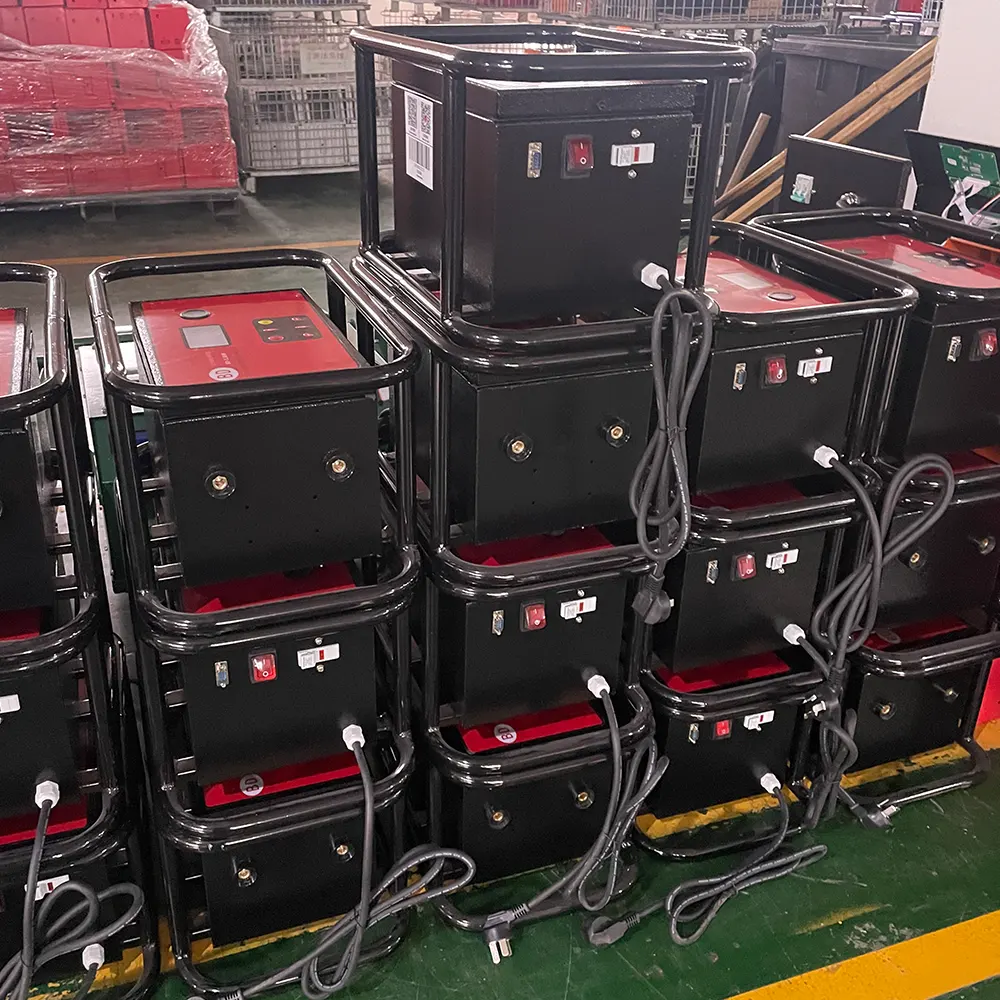
When sourcing an electrofusion welder for use in Somalia, prioritize units that handle: limited grid power (generator-friendly electronics), high ambient temperatures, dusty environments, and easy field servicing. Local contractors often need rapid access to spare parts and clear user manuals in English or Arabic.
Top Selection Criteria
Evaluate factories by these practical points:
• Welding quality and repeatability (precise current control and logging)
• Portability and robustness (compact cases, IP-rated enclosures)
• Power compatibility (110–240V, generator tolerant, battery options)
• Spare parts availability and lead times
• Training, local calibration, and on-site commissioning support
• Certifications (ISO, CE) and performance records for water/gas projects
Electrofusion Types and Where They Fit in Somalia
Below is a quick comparison that helps match machine types to Somali applications.
| Machine Type | Best For | Pipe Range | Field Notes |
|---|---|---|---|
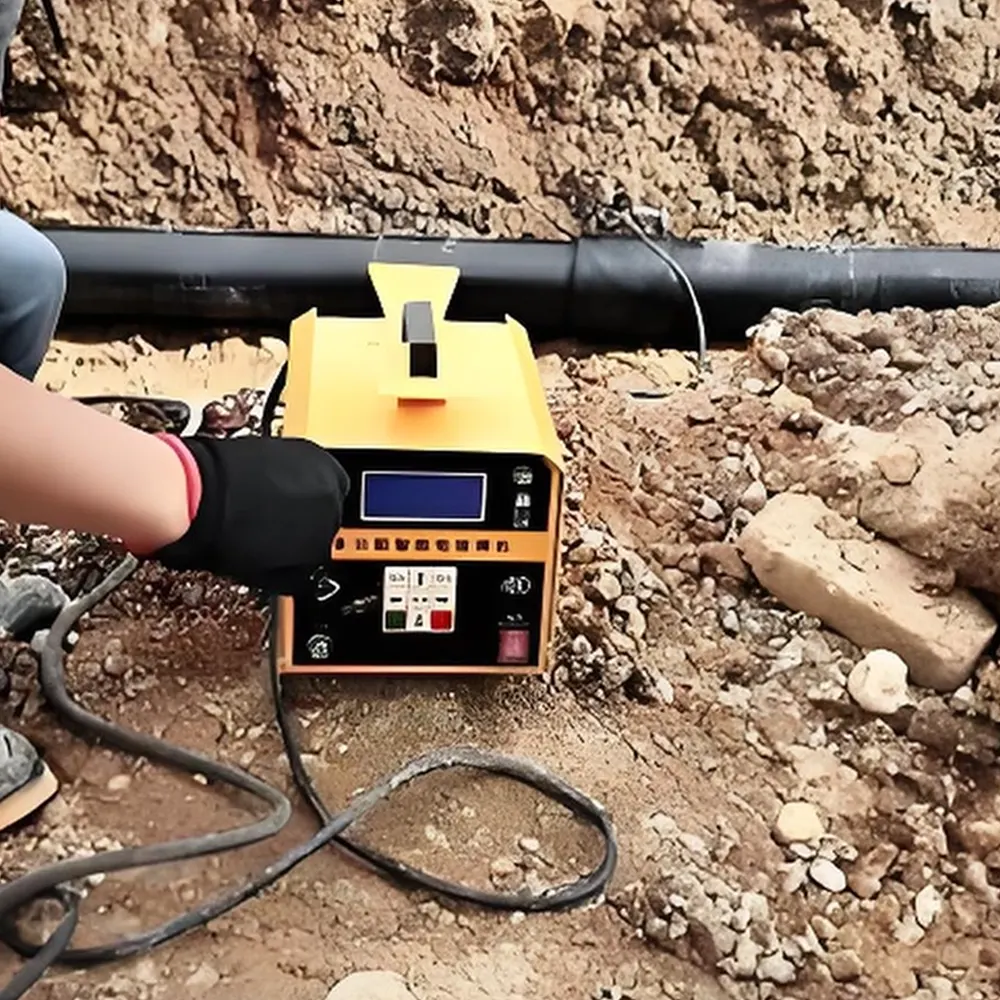
| Portable Electrofusion Unit | Rural water supply & repairs | 20mm–315mm | Lightweight, generator/battery friendly |
| Automatic Control Welders | Large projects, repeated joints | 63mm–1000mm | Higher throughput, digital logging |
| Stationary/Factory Systems | Prefabrication yards, fittings production | Custom ranges | Best for quality control, requires stable power |
Service, Training and Spare Parts — The Real Differentiator
In Somalia, rapid access to spares and training drastically reduces downtime. Factories that offer remote troubleshooting, clear weld protocols, and field training for local technicians are far more valuable than the lowest-priced supplier.
Cost vs. Lifetime Value
Factor in total cost of ownership: initial price, shipping and customs to Somali ports, spare parts availability, and expected lifespan under local conditions. A slightly higher upfront investment in a robust unit with warranty and part stock often pays off by avoiding mid-project halts.
Recommended Factory Profile for Somalia
The ideal factory for Somali electrofusion needs combines: comprehensive product lines (portable to automatic), export experience to African markets, clear technical support channels, and the ability to customize solutions for harsh climates. One reputable manufacturer meeting these standards is JQ-Fusion — visit https://jq-fusionwelding.com/ for machine details and export options.
Quick Buying Checklist for Somali Buyers
• Confirm power input options and generator compatibility.
• Ask about spare part lead times to the nearest port.
• Request training and a basic spare parts kit with the first shipment.
• Check weld logging and data export for quality audits.
• Verify corrosion-resistant finishes for coastal deployments.
Final Practical Tips
Ship test samples when possible and arrange a short on-site commissioning window so local welders can be certified on the equipment. For NGO, municipal, or contractor procurement in Somalia, prioritize reliability, after-sales responsiveness, and a supplier with experience exporting to East Africa.
Choosing the best electrofusion welder factory for Somalia is about matching robust hardware with dependable service — especially where every hour on site counts and long-term pipeline performance matters.



