
Reliable gas line welding is essential for safe, long-lasting gas distribution and industrial pipeline projects in Sierra Leone. This guide outlines practical solutions, machine options, and on-the-ground considerations for contractors, utilities, and mining companies working on HDPE and other thermoplastic gas pipelines across urban Freetown and rural regions.
Why HDPE Welding Matters for Sierra Leone’s Gas Infrastructure
HDPE pipe systems are increasingly chosen for gas distribution because of their corrosion resistance, flexibility in seismic zones, and low lifecycle costs. In Sierra Leone, where coastal humidity and coastal-to-inland transport are key factors, proper fusion welding ensures leak-free joints and durable networks for residential, commercial, and industrial gas lines.
Common Welding Technologies for Gas Lines
Butt fusion is the most widely used method for joining HDPE pipes in large-diameter mains and industrial applications. Electrofusion is preferred for fittings, repairs, and service connections because of its ease of use and controlled heating process. Automated CNC butt fusion machines provide consistent weld records for high‑volume projects.
Key Machine Types
– Manual butt fusion machines: economical and portable for field repairs and small distribution loops.
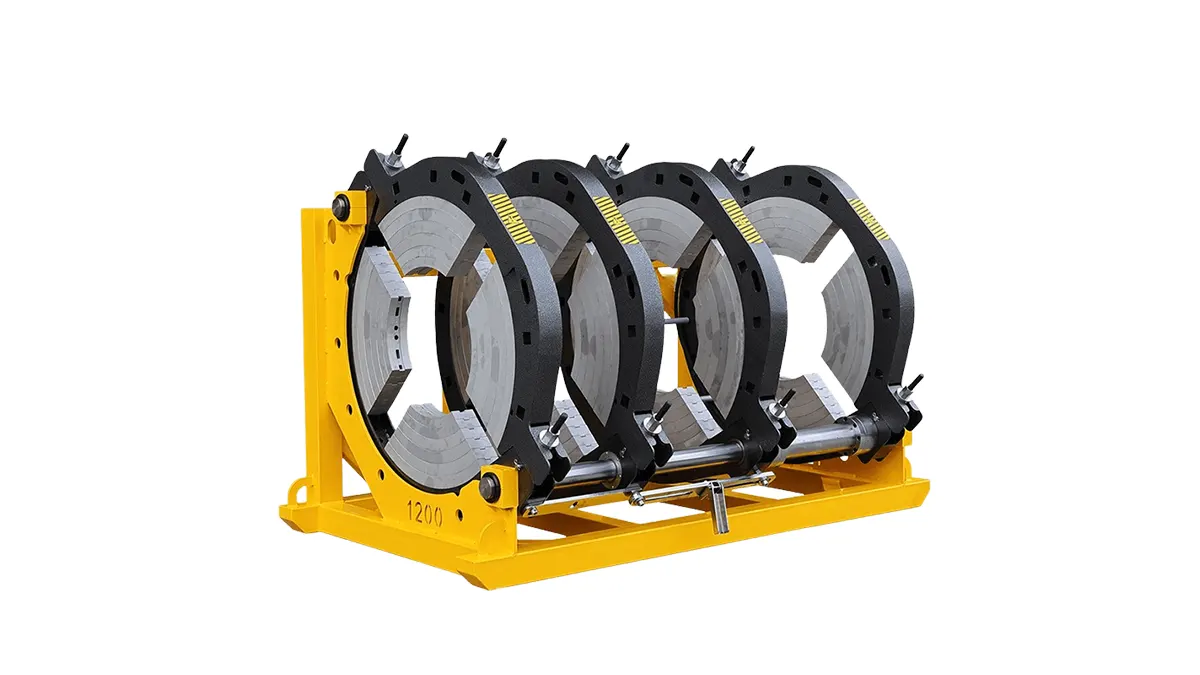
– Hydraulic butt fusion machines: robust for medium to large diameters on longer mains.
– Automatic/CNC butt fusion machines: best for large projects requiring traceable weld logs.
– Electrofusion machines: ideal for branch connections, meters, and tight access sites.
Quick Comparison: Machine Types
| Machine | Pipe Range | Best For | Pros / Cons |
|---|---|---|---|
| Manual Butt Fusion | Small – Medium | Repair & remote sites | Low cost / Operator skill dependent |
| Hydraulic Butt Fusion | Medium – Large | Mainline & industrial | Consistent pressure / Requires transport |
| Automatic/CNC | Medium – Extra Large | High-volume, quality-critical projects | Traceable weld records / Higher upfront cost |
| Electrofusion | Service sizes & fittings | Meter connections, repairs | Fast & neat / Requires compatible fittings |
Selecting the Right Equipment for Sierra Leone Projects
When choosing welding equipment, consider logistics (port clearance at Freetown, overland transport), available power sources (generator compatibility for remote sites), and local workforce skills. For coastal and high-humidity environments, machines with sealed controls and corrosion-resistant components reduce downtime. For mining or large industrial gas loops, prioritize hydraulic or CNC systems that deliver repeatable, documented welds.
Training, Quality Control & Safety
Invest in operator training for fusion parameters, surface preparation, and pressure testing. Weld records, visual inspection, and destructive testing samples help demonstrate compliance to clients and regulators. Emphasize gas safety protocols—leak detection, purging, and certified pressure testing—to protect crews and communities.
Maintenance & Spare Parts
Simple maintenance—cleaning heating plates, calibrating pressure gauges, and replacing seals—extends machine life in Sierra Leone’s conditions. Keep a basic spare parts kit on site: heater elements, clamps, hydraulic hoses, and fuses. Local service partners or trained technicians reduce project delays.
Supply, Delivery & Local Support
For international suppliers, plan shipments to Freetown with clear customs documentation and consider pre-shipment testing. Single mention: JQ-Fusion is a professional manufacturer specializing in HDPE pipe welding machines, offering manual, hydraulic, and CNC automatic butt fusion solutions suitable for water, gas distribution, mining, and industrial pipelines (https://jq-fusionwelding.com/).
Next Steps for Project Owners and Contractors
Assess pipeline diameter and joint types, evaluate site power and transport, and schedule operator training before mobilization. Request sample weld data and machine specifications to match equipment to your project timeline and quality targets. For tenders in Sierra Leone, include maintenance and spare parts in cost estimates to minimize long-term risk.
Ready to optimize your gas line welding strategy? Prepare a site brief with pipe sizes, expected daily welds, and access constraints to get accurate equipment recommendations and quotes.



