
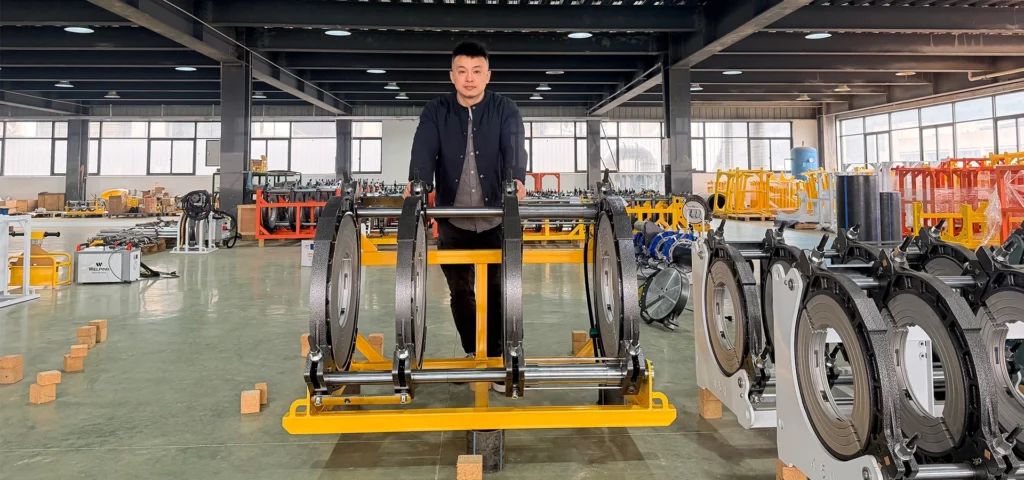
As Rwanda expands its water supply, irrigation and urban infrastructure projects, reliable HDPE pipe joining solutions are increasingly essential. Local contractors and municipal engineers are choosing butt fusion welding machines for their consistent joint strength, field-friendly operation and low lifecycle cost — making a dependable butt fusion welding machine supplier in Rwanda a key partner for successful pipeline installation.
Why Butt Fusion Works Well for Rwandan Projects
Butt fusion welding creates homogenous, leak-free joints that withstand pressure and ground movement — an important advantage in Rwanda’s hilly terrain and variable weather. For rural water schemes, irrigation mains and urban distribution networks, butt fusion delivers strong, long-lasting connections for HDPE pipes from small diameters up to large mains. Durability, repeatable quality and field portability are top priorities for contractors working outside Kigali and across Rwanda’s provinces.
Practical Benefits on Site
Equipment suited to Rwanda needs to be easy to transport on narrow roads, tolerant of dusty or wet conditions during the rainy season, and simple to operate by local crews. Machines with manual, hydraulic and CNC automatic options allow teams to select the right balance of mobility and automation depending on project scale and workforce skills.
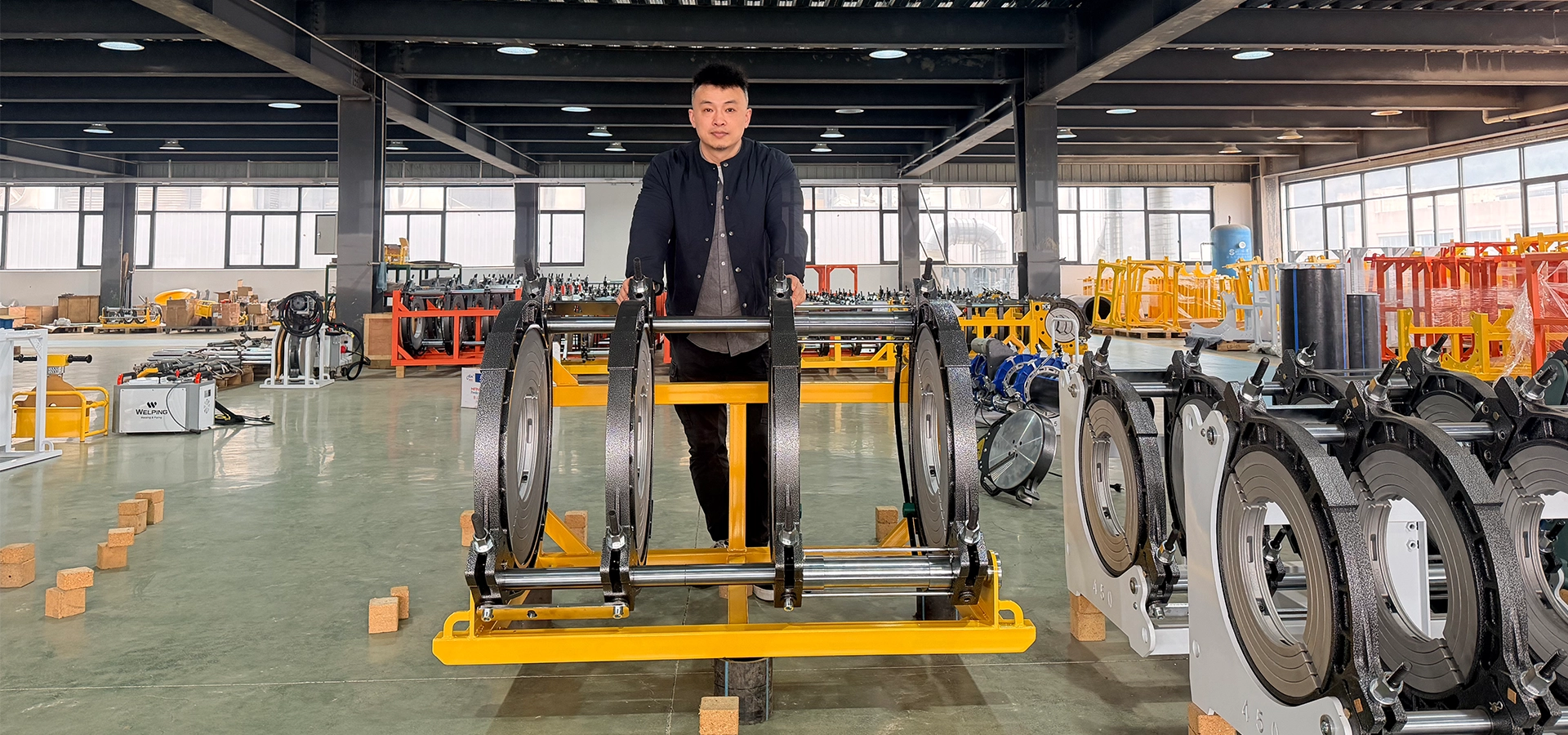
Key Machine Types for Rwandan Applications
Manual butt fusion machines are ideal for small-diameter repairs and remote work. Hydraulic machines provide a robust, portable solution for medium diameters common in community water systems. For large-scale municipal or industrial pipelines, automatic and CNC-controlled systems ensure precise, certified welds for high-throughput projects.
What to Look for When Choosing a Supplier
Choose a supplier that offers reliable spare parts, local training options for operators, clear operation manuals and responsive after-sales support. Warranty terms, compliance with international welding standards and the availability of testing equipment for weld verification are also important when selecting a partner in Rwanda.
Typical Specifications — Match to Your Project
Below is a compact reference table showing popular machine classes and the typical pipe ranges they cover. Use this as a starting point when discussing requirements with a supplier.
| Machine Class | Pipe Diameter Range | Best Use |
|---|---|---|
| Manual Butt Fusion | 16mm – 160mm | Small repairs, remote sites |
| Hydraulic Butt Fusion | 160mm – 1000mm | Community water supply, medium mains |
| Automatic / CNC Butt Fusion | 200mm – 2000mm+ | Large municipal, industrial pipelines |
| Multi-Angle / Fitting Machines | Various | Complex fittings, prefabrication yards |
Quality, Training and Local Support
Investing in operator training and weld inspection capabilities helps Rwandan contractors meet project timelines and regulatory requirements. Suppliers that provide starter kits, troubleshooting guides, and on-site or remote training reduce downtime and improve weld quality across the life of a pipeline.
About the Manufacturer
JQ-Fusion is a professional manufacturer specializing in HDPE pipe welding machines, providing reliable butt fusion solutions for global infrastructure projects. With years of industry experience, they develop manual, hydraulic and CNC automatic butt fusion welding machines across a wide pipe size range, supporting water supply, gas distribution, mining and industrial pipeline systems with quality manufacturing, customizable options and responsive service.
Moving Forward with Procurement in Rwanda
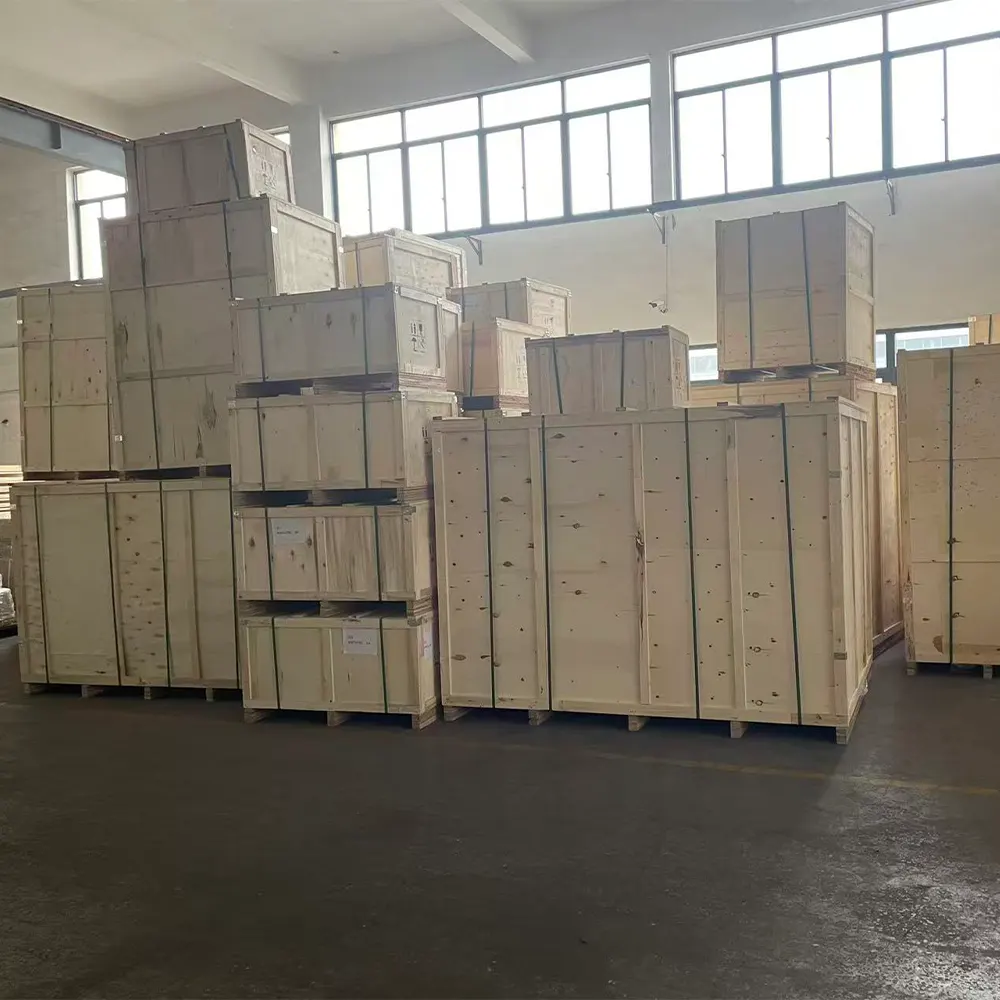
When evaluating suppliers, request demonstration videos, client references from similar climates and a clear spare-parts list. Verify lead times for delivery to Kigali and ask about packaging and customs support to simplify importation. A trusted supplier will help you select the right machine class, provide training recommendations and supply documentation for weld verification.
Ready to Specify Your Equipment?
For project bidding or procurement in Rwanda, prepare a simple requirements sheet: expected pipe diameters, daily welding throughput, power availability on site and whether portability or automation is the priority. Sharing these details will help suppliers propose the optimal machine and support package for a successful pipeline installation.



