
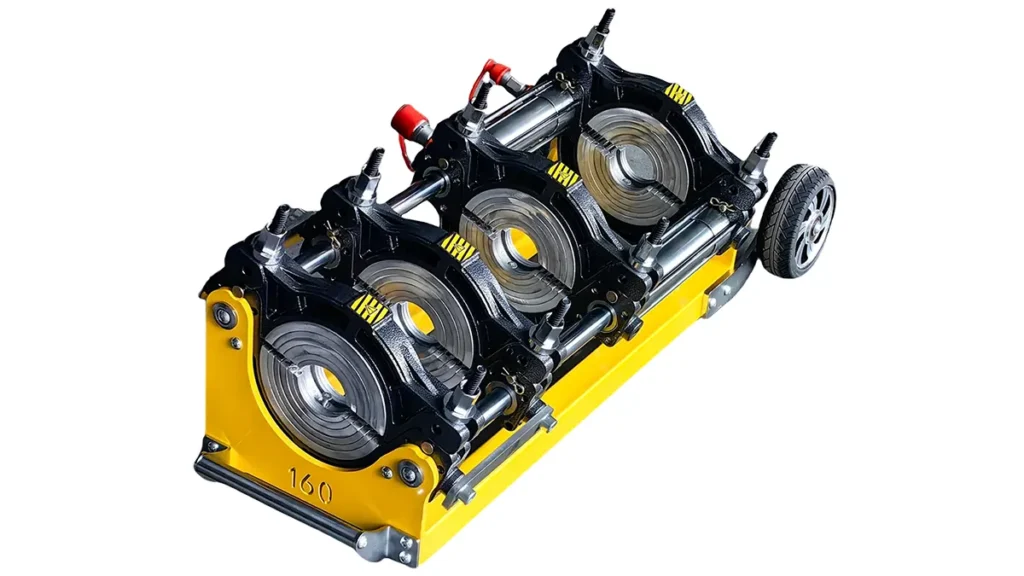
Looking to buy a plastic pipe welding machine in Nigeria? This guide covers the most reliable HDPE pipe welding options, local applications, price expectations, and practical buying tips to help contractors, municipal water departments, and oil & gas service providers choose the right fusion equipment for Nigerian conditions.
Why HDPE Pipe Welding Matters in Nigeria
Durable HDPE piping is becoming the standard for water distribution, irrigation, and gas networks across Nigeria because of its corrosion resistance and joint integrity. With tropical climate, seasonal rains, and expanding urban infrastructure, welded HDPE systems reduce leak risks and lower lifecycle costs compared with metal piping. Choosing the right welding machine ensures safe, consistent butt fusion or electrofusion joints that meet international standards.
Main Types of Plastic Pipe Welding Machines
Manual Butt Fusion Machines – Simple, portable, best for small-diameter PE pipes and field repairs.
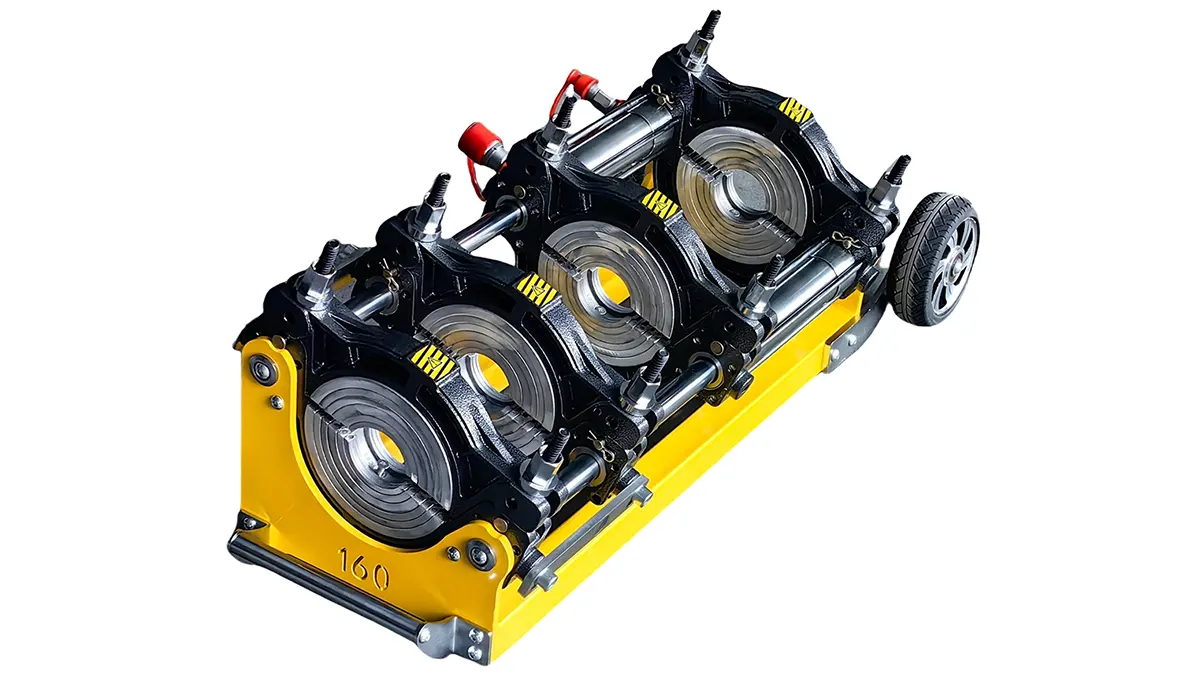
Hydraulic Butt Fusion Machines – Higher clamping force for reliable welds on medium to large diameters, commonly used in municipal and industrial projects.
Automatic & CNC Butt Fusion Machines – Programmable sequences and digital control for high-volume production and factory-like precision on large projects.
Electrofusion Machines – Ideal for fittings and connections where electrofusion couplers are used; widely used for gas and complex jointing in urban areas.
How to Choose the Right Machine: Practical Buying Guide
1) Match machine capacity to pipe diameter. Verify the machine’s clamping range and heating plate size to cover your common pipe sizes (e.g., 63–160mm for small networks, 200–1200mm+ for major mains).
2) Consider jobsite conditions. Portability, robustness, and the need for a hydraulic power pack matter on remote or muddy sites versus controlled plant environments.
3) Automation vs. manual control. Automated units reduce operator error and speed up production for long runs, while manual units keep acquisition cost low for small contractors.
4) Compliance and training. Choose machines compatible with ISO/EN standards and ensure local operators are trained in butt fusion/electrofusion welding procedures.
5) After-sales support and spare parts. Factor in availability of spare heating plates, clamps, and controllers; quick access to support in Nigeria cuts downtime.
Representative Models and Price Ranges
| Model (typical) | Pipe Diameter Range | Estimated Price (USD) | Approx. Price (NGN) |
|---|---|---|---|
| Manual JQSY-2M (basic) | 20–160 mm | $1,200–$3,000 | ₦1,200,000–₦3,000,000 |
| Hydraulic JQH160 (compact) | 63–160 mm | $3,000–$6,000 | ₦3,000,000–₦6,000,000 |
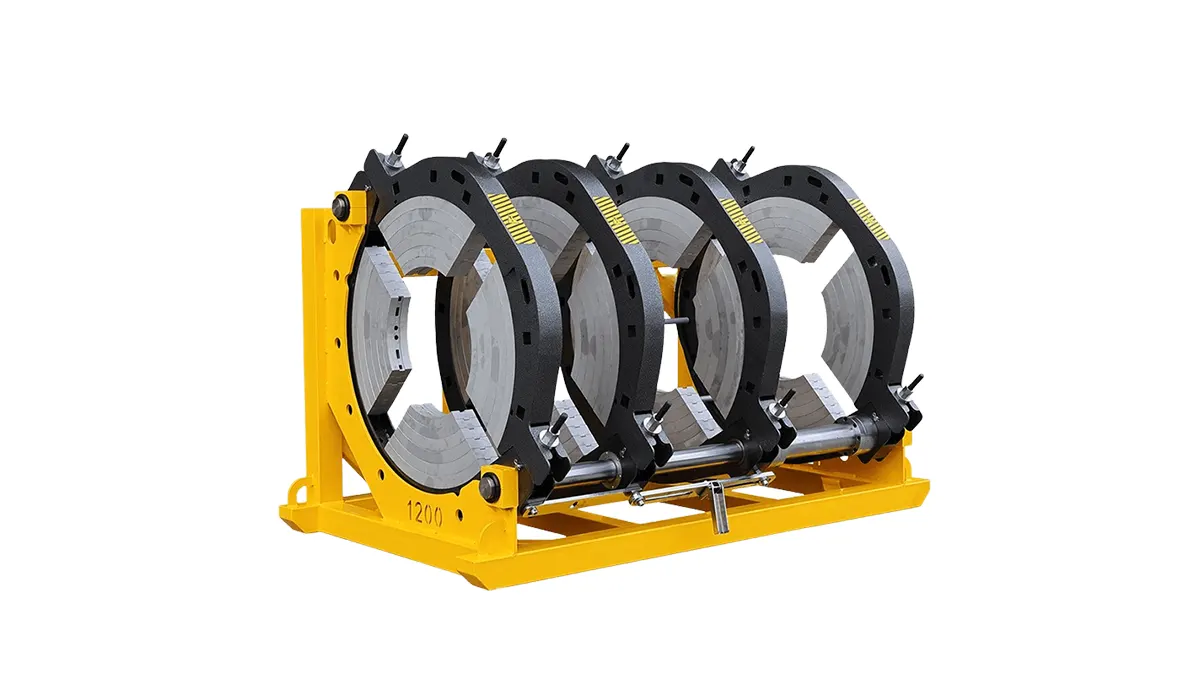
| Hydraulic JQH800 (heavy) | 200–800 mm | $12,000–$30,000 | ₦12,000,000–₦30,000,000 |
| Automatic JQA200 (CNC) | 50–200 mm | $8,000–$18,000 | ₦8,000,000–₦18,000,000 |
Applications Across Nigerian Sectors
Municipal water distribution: Reliable butt fusion reduces leaks and contamination risks in urban pipelines for cities like Lagos, Abuja, and Port Harcourt.
Irrigation and agriculture: Durable HDPE mains and laterals withstand seasonal flooding and UV exposure across farming regions of the north and south.
Gas and petrochemical networks: Electrofusion and high-quality fusion techniques are essential for secure gas distribution and onshore facility piping in oil-producing states.
Mining and industrial plants: Heavy-duty hydraulic or automatic welders ensure consistent joints for slurry lines, chemical piping, and process water systems.
Installation & Maintenance Tips for Nigeria
Site prep: Always level the welding platform, clear debris, and protect the heating plate from dust to prevent inclusions in the melt line.
Calibration: Check alignment and heating temperatures daily; tropical heat can affect controller readings so confirm set vs. actual temperatures.
Spare parts stock: Keep extra heaters, clamps, and hydraulic oils on hand—import lead times can be long and project schedules tight.
Quick FAQs for Nigerian Buyers
Q: Which machine is best for rural water projects? A: A portable manual or compact hydraulic unit that covers 63–160mm is typically ideal for village-level distribution.
Q: Are local technicians able to maintain advanced units? A: Yes—select models with clear diagnostics and arrange supplier-led training to build in-country capability.
About JQ-Fusion
JQ-Fusion is a professional manufacturer specializing in HDPE pipe welding machines, providing reliable butt fusion solutions for global infrastructure projects. For model selection, technical specs, and export support to Nigeria, visit https://jq-fusionwelding.com/.



