
Electrofusion machines are transforming HDPE pipe installation across Tanzania — from Dar es Salaam municipal networks to remote rural water supply and mining operations in the Lake Victoria and Mwanza regions. Reliable electrofusion solutions reduce installation time, improve joint integrity, and help contractors meet strict standards on long-term leak prevention.
Why Electrofusion Suits Tanzanian Infrastructure Projects
Electrofusion welding offers controlled heating and consistent joints that are especially valuable where skilled labour and ideal environmental conditions may vary. For Tanzania’s diverse project environments — coastal saline air, inland highlands, and dusty mining sites — electrofusion provides:
• Consistent, pressure-rated joints for potable water and gas distribution.
• Reduced excavation time and faster commissioning, which lowers project costs.
• Minimal equipment footprint, making machines easy to transport between urban and remote sites.
Common Applications in Tanzania
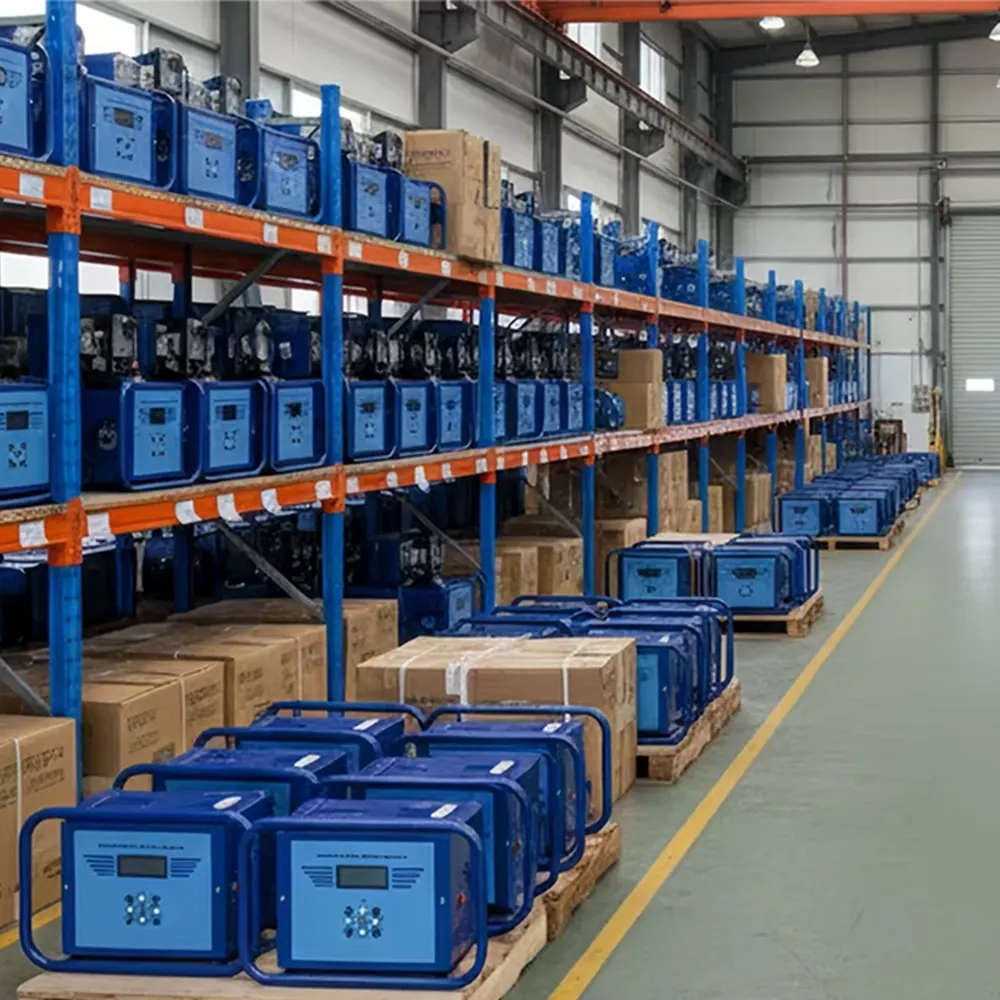
Electrofusion machines are widely used in:
Water supply projects (rural boreholes, urban networks), gas distribution lines in industrial zones, mining and irrigation installations, and utility repairs on highways and new housing developments. Their adaptability makes them suitable for both large contractor fleets and small local installers.
Types of Electrofusion Machines to Consider
Machine choice depends on pipe diameter, job scale, and site power availability. Typical choices include:
Portable bench units for on-site fittings, mobile generator-compatible models for off-grid locations, and fully automatic stations for factory or large pipeline assembly yards.
Quick Specification Comparison
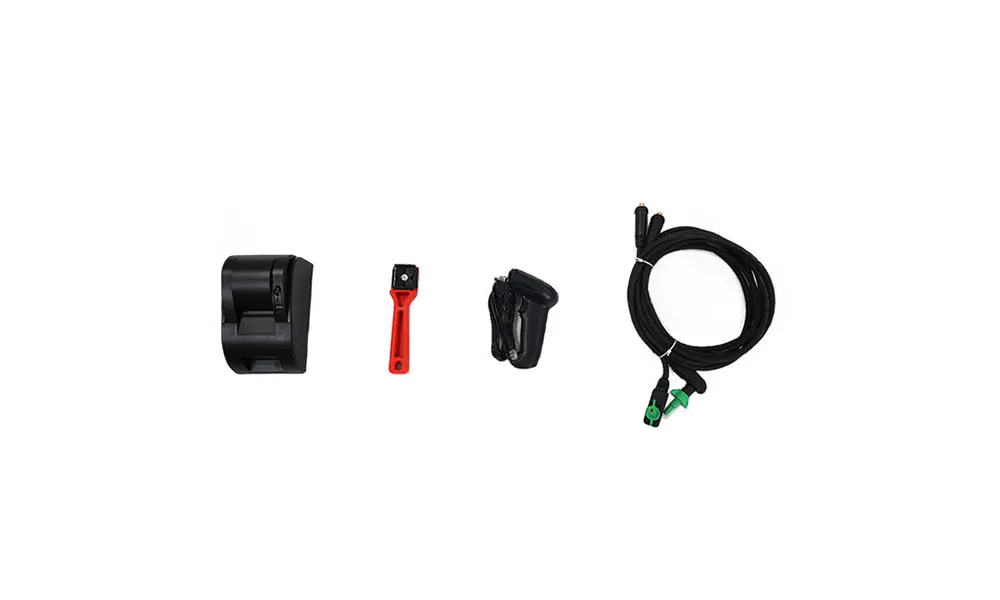
| Machine Type | Suitable Pipe (mm) | Power | Key Advantage |
|---|---|---|---|
| Portable Electrofusion Unit (bench) | 20–160 | AC mains / generator | Lightweight, ideal for repairs and fittings |
| Field Mobile Station | 63–315 | 12/24V DC & AC | Rugged, for remote site pipeline work |
| Automatic Electrofusion System | 160–630+ | Three-phase / industrial | High throughput for factory assembly |
Installation Best Practices for Tanzanian Conditions
Prepare the joint area carefully: clean pipe surfaces, remove oxides, and follow fusion fittings’ traceability codes. For coastal or humid areas, store fittings dry and use corrosion-resistant accessories. In rural or off-grid locations, choose machines that can run from a generator or vehicle power.
Training and Quality Control
Consistent joint quality depends on operator skill. Local contractors and municipal teams should plan short, practical training sessions focusing on:
• Reading electrofusion coil codes and setting correct fusion parameters.
• Proper clamping and alignment techniques to avoid axial stress.
• Post-fusion cooling time and inspection criteria to ensure leak-free joints.
Why Work with a Trusted Manufacturer
Selecting equipment from a reliable manufacturer ensures access to spare parts, test documentation, and technical support. JQ-Fusion supplies robust HDPE welding and electrofusion equipment designed for global projects and offers models suited to Tanzania’s range of construction and utility needs.
Procurement Tips for Buyers in Tanzania
When sourcing electrofusion machines, verify: certification (ISO or regional), warranty terms, on-site training availability, and spare-part logistics. Prioritize models with simple control interfaces and clear data logging to help compliance and project reporting.
For project managers, contractors, and utility teams across Tanzania, investing in the right electrofusion equipment improves reliability, reduces long-term maintenance costs, and speeds up network expansion — critical for meeting growing demand for water, gas, and industrial services.



