
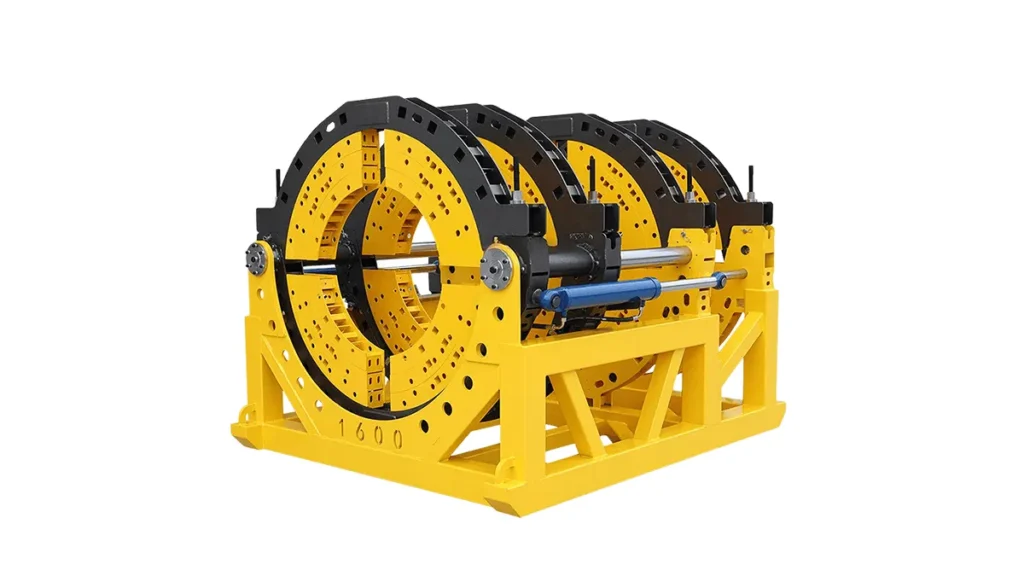
Reliable HDPE pipe welding machines are essential for the growing infrastructure projects across Sierra Leone — from rural water networks and urban sanitation upgrades in Freetown to mining and agricultural irrigation systems in the provinces. This guide explains which butt fusion solutions suit local conditions, how to choose machines that withstand tropical climates and remote-site logistics, and what to expect from procurement and on-site support.
Understanding Butt Fusion for Sierra Leone Projects
Butt fusion welding creates leak-free joints for HDPE pipes by heating pipe ends and pressing them together under controlled pressure and temperature. For Sierra Leone, where reliable water distribution and gas safety are priorities, butt fusion offers long-term durability and minimal maintenance compared with mechanical fittings.
Key Benefits for Local Contractors and Municipalities
Durability: Fusion joints match the pipe’s strength, reducing leaks and replacements in flood-prone or remote areas. Simplicity: Manual and hydraulic units can be operated by trained technicians with basic tools. Cost-effectiveness: Lower lifecycle costs help municipal budgets and NGO-funded projects stretch further.
Common Machine Types and When to Use Them
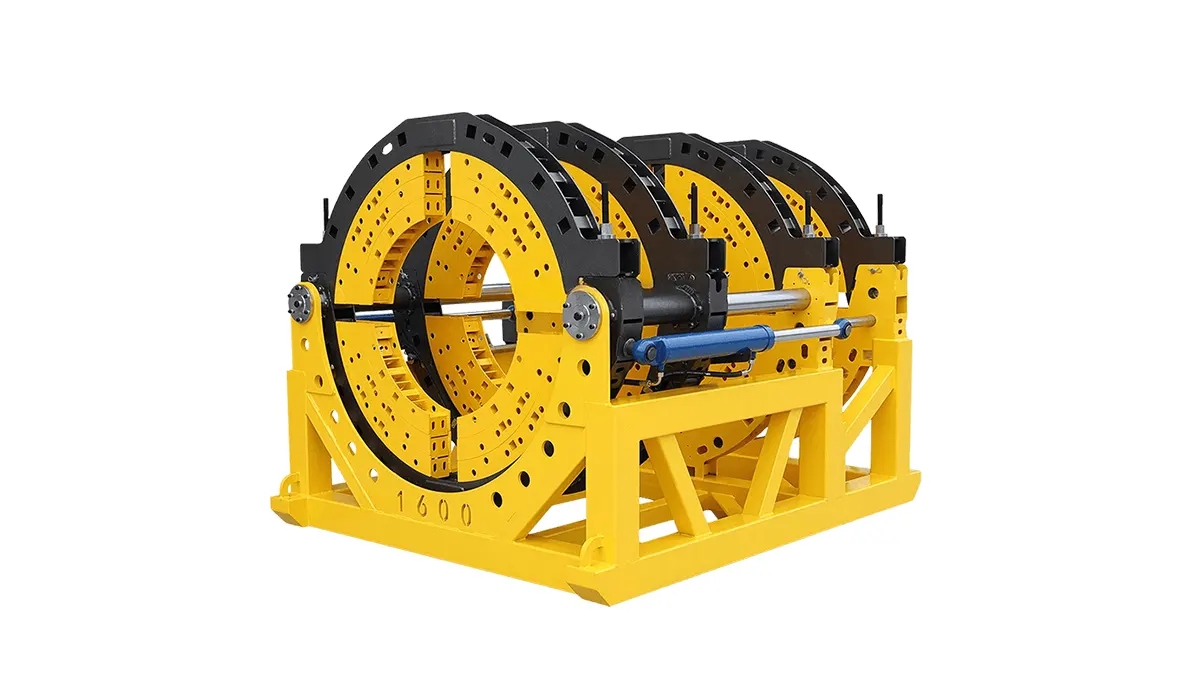
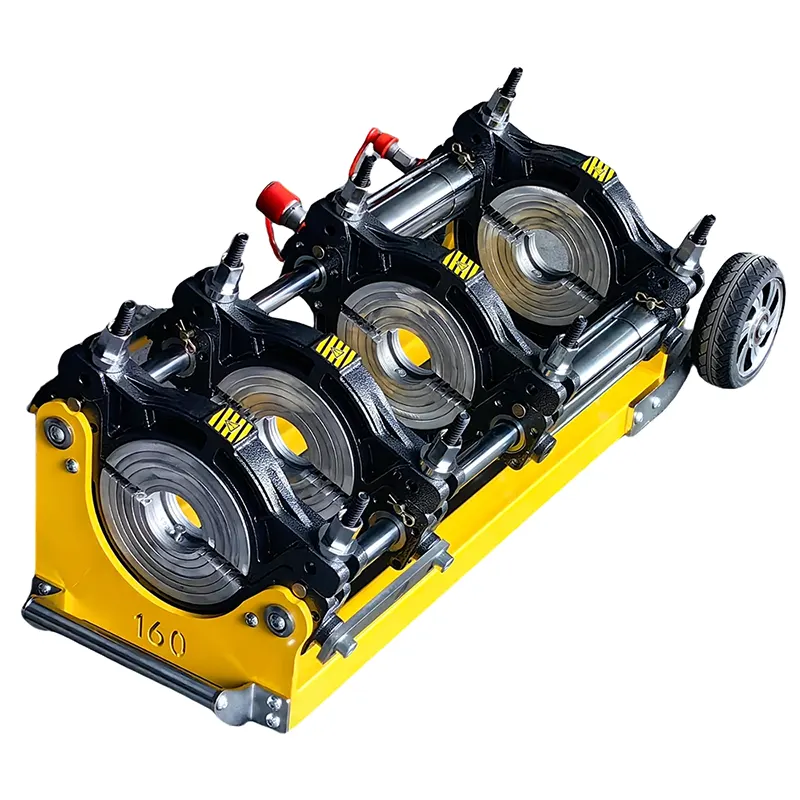
Manual butt fusion machines are ideal for small-diameter pipes and community-scale works where portability matters. Hydraulic machines suit medium to large pipelines used in mining tailings, irrigation, and municipal mains. Automatic/CNC machines deliver precision and speed for large-diameter trunk lines and industrial installations.
Technical Comparison at a Glance
|
Machine |
Pipe Range (mm) |
Power/Operation |
Best For |
|---|---|---|---|
|
Manual Butt Fusion |
20–160 |
Hand/Mechanical |
Community water lines, repairs |
|
Hydraulic Butt Fusion |
90–1600 |
Hydraulic power pack |
Municipal mains, mining |
|
Automatic/CNC Systems |
160–2000+ |
Electric/PLC controlled |
Large trunk lines, industrial projects |
Practical Considerations for Sierra Leone
Project managers should consider power availability, transport to remote sites, and local technician training. For communities in the provinces, machines with simple maintenance routines and available spare parts reduce downtime. In coastal and high-humidity zones, corrosion-resistant components and sealed control panels extend equipment life.
Training, Certification, and Local Support
Successful fusion welding requires certified procedures and operator training. Plan for on-site demonstrations, welding procedure specifications (WPS), and refresher courses to maintain quality standards—especially for NGOs, contractors, and government agencies responsible for potable water and gas safety.
Procurement Tips and Logistics
When sourcing equipment for Sierra Leone, verify delivery timelines, customs clearance experience, and availability of spare parts. Opt for suppliers with export packaging suitable for sea freight and experience handling shipments to West Africa.
Applications in Sierra Leone
HDPE welding machines are used across sectors: expanding rural water supply, rehabilitating urban sanitation networks in Freetown, constructing irrigation systems in agricultural districts, and supporting mining hydrology and tailings pipelines. Choose machine types aligned with pipe diameter and expected workflow intensity.
Get Reliable Equipment and After-Sales Service
JQ-Fusion offers a range of manual, hydraulic, and automatic butt fusion welding machines designed for diverse project scales, backed by quality control and export experience to serve Sierra Leonean contractors and project teams. Visit https://jq-fusionwelding.com/ for model details and support information.



