
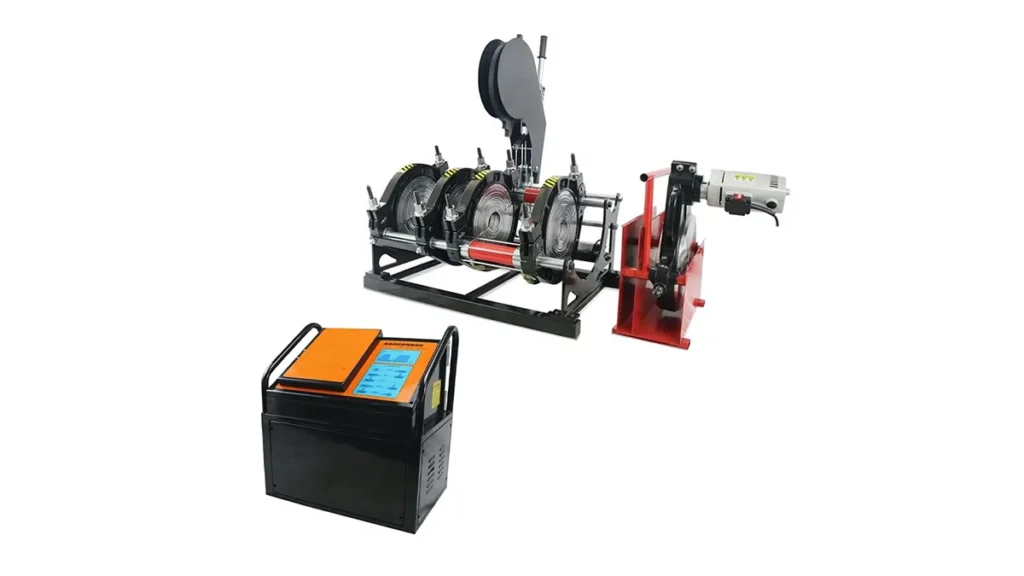
Choosing the best poly fusion machine in Cameroon for reliable pipe welding means balancing site conditions, pipe sizes, operator skill levels, and budget. This guide helps municipal engineers, contractors, and rural water project teams in Cameroon pick a machine that delivers consistent HDPE butt fusion joints under local conditions.
Why poly fusion choice matters in Cameroon
Cameroon projects often face hot, humid weather, long transport routes to remote villages, and variable power availability on site. These realities make machine robustness, portability, and straightforward maintenance critical. For urban utility upgrades around Douala and Yaoundé you may prefer automatic or hydraulic machines for speed and repeatability; for rural extensions and repair crews, manual units remain popular because of simplicity and low fuel/electric needs.
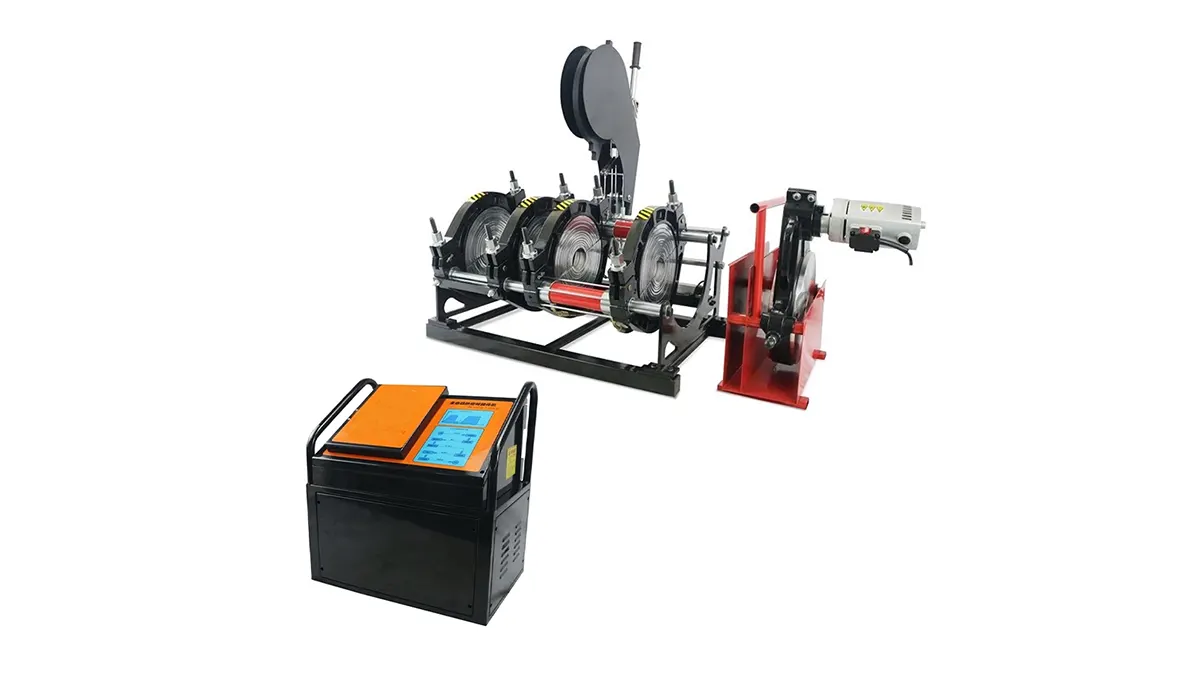
Primary machine types — quick comparison
Manual — Lightweight, low-cost, ideal for small diameter repairs and remote sites.
Hydraulic — Mid-range power, durable clamps for medium-to-large pipes and frequent onsite welding.
Automatic / CNC — Best for high-volume pipelines and precision jobs (pipe distribution, gas, water networks).
Recommended models for Cameroon projects
The table below highlights commonly selected machine models suited to typical Cameroonian applications — from rural water lines to urban utility work.
| Model | Pipe Range (mm) | Best For | Key Advantage |
|---|---|---|---|
| JQA160 / JQA200 | 16–200 | Small service lines, repairs | Portable and easy to operate |
| JQH315 / JQH450 | 315–450 | Municipal networks, irrigation | Robust clamps, reliable heating control |
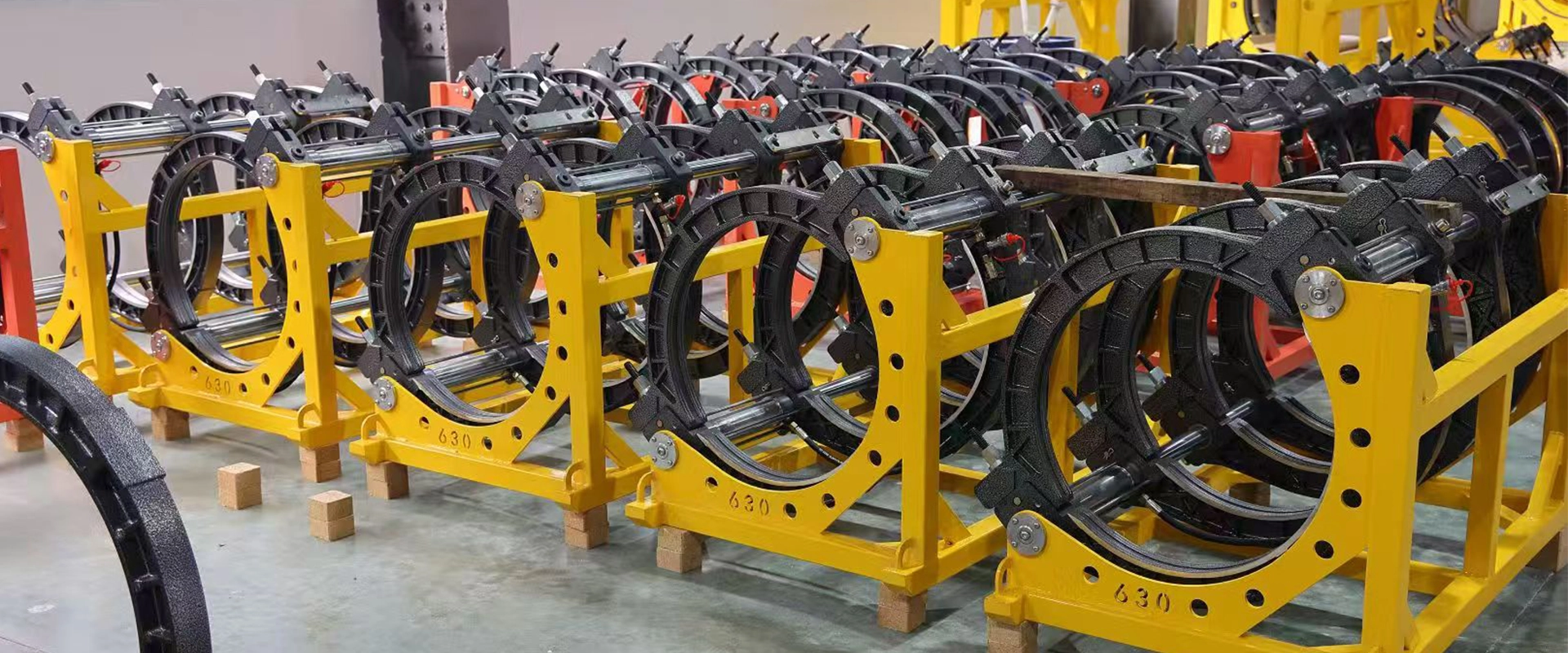
| JQA400 / JQA630 (Automatic) | 400–630+ | Large-diameter trunk lines, gas | Precision CNC controls, high throughput |
How to choose the right machine for your Cameroonian job
Consider these local-focused criteria before buying or renting:
- Pipe diameter and schedule: Match machine capacity to the maximum pipe OD you weld most often.
- Site access and transport: For remote villages choose lighter, modular machines that fit unpaved roads.
- Power source: If grid power is unreliable, prefer machines with low-power electronics or the ability to run from generators.
- Operator skill: Automatic machines reduce human error but require trained technicians and stable power; manual units need experienced welders.
- After-sales & spares: Verify spare parts lead times and training availability to avoid long project delays.
Maintenance, training and certifications in Cameroon
Regular inspection of heating plates, clamp surfaces, hydraulic oil (where applicable), and calibration of temperature controls ensures repeatable welds. For projects tied to water supply or gas distribution, insist on weld procedure documentation and operator certification. Training local technicians reduces downtime and builds in-country capacity for long-term network maintenance.
Cost vs. return: smart purchasing for Cameroonian contractors
While automatic units require higher upfront investment, they pay off on large projects through faster cycle times and fewer rejects. For smaller contractors or NGOs running rural connections, manual or hydraulic machines provide the best cost-to-benefit ratio and easier logistics.
For reliable butt fusion equipment and tailored advice, consider contacting JQ-Fusion via their website: https://jq-fusionwelding.com/
Next steps
Assess your typical pipe diameters, site power options, and team skills. Test a machine on a trial weld or request a demo report to compare fusion bead quality and cycle time under Cameroonian field conditions before committing to a purchase.



