
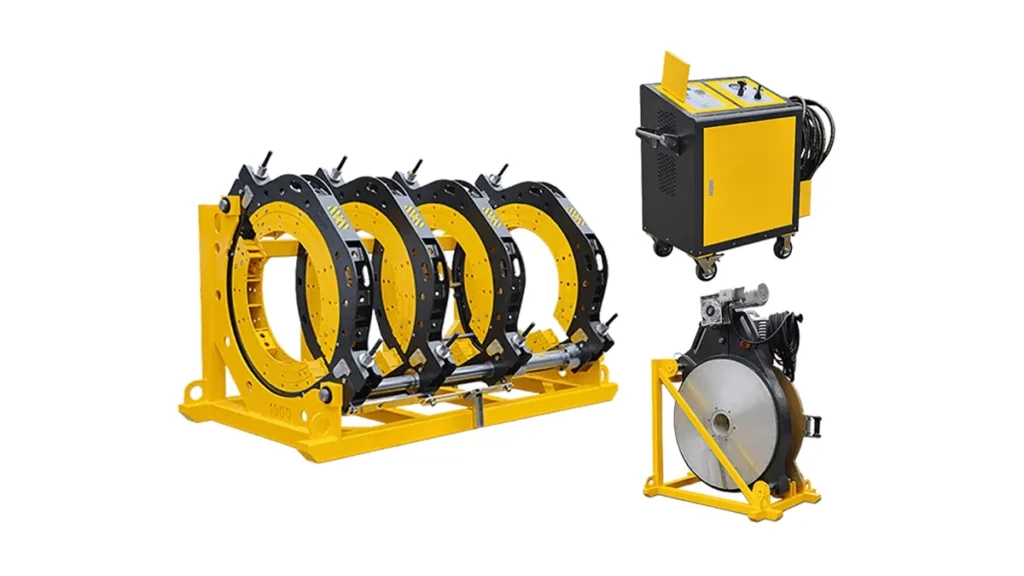
Pipeline welding machines are critical for reliable HDPE and thermoplastic pipeline installation. Whether you operate manual, hydraulic, or CNC automatic butt fusion equipment, understanding common faults and proven troubleshooting steps lowers downtime and ensures consistent weld quality. This guide highlights typical problems, diagnostic tips, quick fixes, and maintenance practices to keep your welding fleet productive.
Why Pipeline Welding Machines Fail
Failures typically fall into three categories: operator-related issues, mechanical/hydraulic wear, and electrical/heating system faults. Environmental factors — dust, moisture, and inconsistent power supply — also accelerate component wear. Identifying the category quickly narrows the right diagnostic approach and speeds repair.
Common Root Causes
Operator errors: incorrect heating times or temperatures, poor facing/trimming technique, or improper alignment. Mechanical wear: worn clamping jaws, bent carriage rails, or hydraulic seal failure. Electrical/heating: failing heaters, broken thermocouples, or control board issues.
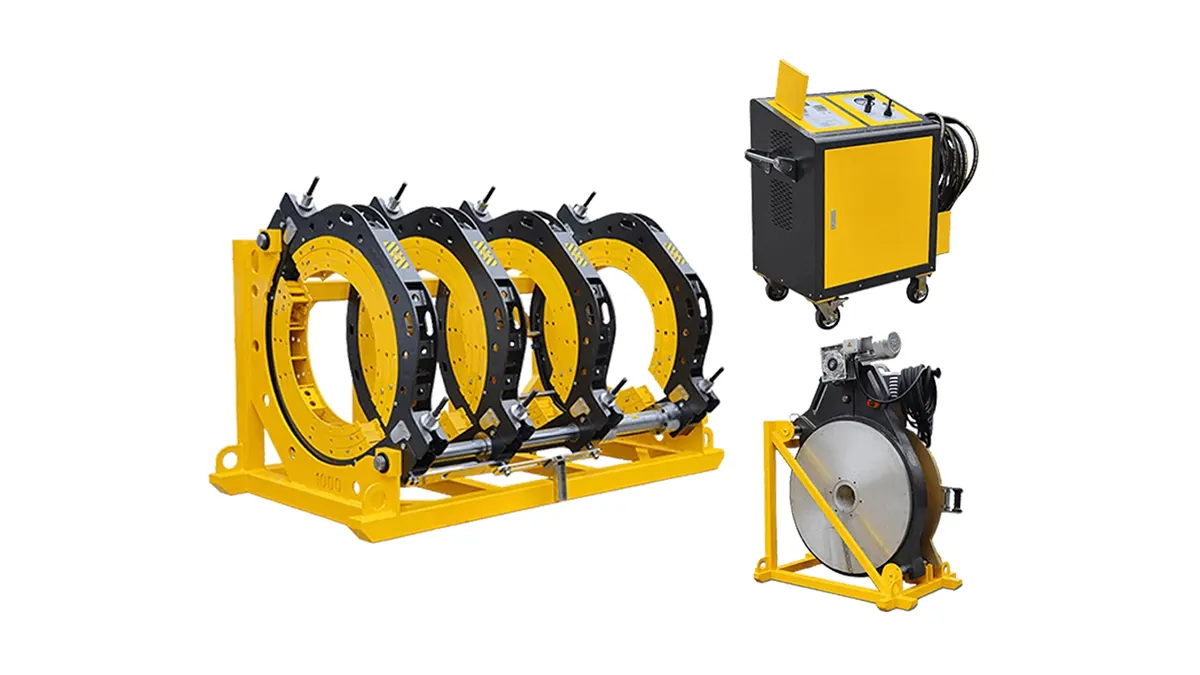
Top Problems at a Glance
| Problem | Symptom | Quick Fix |
|---|---|---|
| Heater plate underheating | Lower-than-set temperature, slow melt | Check power, replace heating element or thermocouple |
| Thermocouple drift | Inaccurate temp display, inconsistent welds | Calibrate or replace sensor |
| Hydraulic leaks / low pressure | Slow or weak clamp/ram movement | Inspect hoses/seals, top up or replace hydraulic fluid, change seals |
| Misalignment / poor facing | Uneven melt beads, visible bead mismatch | Re-align clamps, check facing tool blade and guides |
| Control panel errors / firmware | Unexpected shutdowns, error codes | Reset, update firmware, consult manual for codes |
| Sticking clamps / seizing rails | Jerky movement, reduced accuracy | Clean and lubricate rails, free debris, check bearings |
Step-by-Step Troubleshooting Checklist
Follow a structured workflow to isolate the fault quickly:
-
Visual inspection: look for obvious damage, loose connectors, oil leaks, or contamination on heater plates and clamps.
-
Power and control checks: confirm stable supply voltage, inspect fuses, test emergency stop circuits.
-
Heating diagnostics: measure heater resistance, test thermocouple continuity, verify thermostat/controller output.
-
Hydraulic evaluation: run the machine unloaded, listen for cavitation, check pressure gauges, inspect seals.
-
Mechanical check: inspect jaws, facing blade sharpness, carriage alignment and lubrication.
-
Test weld: perform a controlled weld following manufacturer parameters and compare bead geometry and peel strength.
Diagnostics for Electrical & Heating Systems
Heater elements and thermocouples are the most common electrical failure points. Use a multimeter to measure resistance across heating elements (compare with spec). Thermocouple issues often present as temp drift; test continuity and swap sensors if spare is available. For control panel faults, record error codes and check wiring harnesses and connectors for corrosion.
Hydraulic & Mechanical Troubleshooting
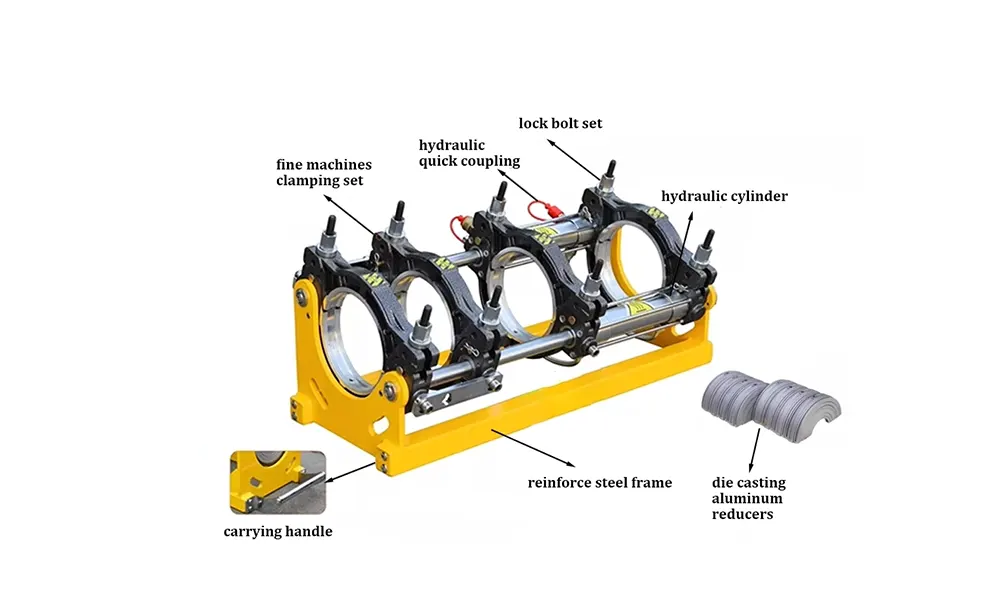
Hydraulic systems need correct fluid level, clean filters, and intact seals. Low pressure or slow actuation usually indicates leaks, air in system, or a worn pump. Mechanical problems such as seized rails or worn jaws require cleaning, inspection for bent parts, and potential replacement of bearings or guide bushes. Keep facing blades sharp and calibrated for consistent butt faces.
Welding Quality Issues: Causes & Remedies
Cold joints, voids, or weak fusion lines often trace back to incorrect temperature, insufficient heating time, contamination on pipe ends, or pressure loss during cooling. Remedy by verifying welding parameters, ensuring clean pipe surfaces, confirming clamp alignment, and using consistent cooling times. When in doubt, perform destructive sample testing and compare results to standard acceptance criteria.
Spare Parts & Preventive Maintenance
Maintain a small stock of consumables: heater plates, thermocouples, facing blades, seals, and key hydraulic fittings. Create a simple maintenance log including daily checks, weekly lubrication, and monthly calibration of temperature sensors and pressure gauges. Scheduled preventative maintenance reduces emergency repairs and extends equipment life.
Safety, Testing & Documentation
Always follow PPE rules, isolate power before servicing, and relieve hydraulic pressure safely. After repairs, perform a controlled weld test and document machine settings, ambient conditions, and results. Good documentation helps identify recurring issues and improves troubleshooting over time.
When to Escalate to Specialist Support
If diagnostics point to repeated electronic control board failures, significant frame deformation, recurring hydraulic pump damage, or undocumented error codes, escalate to qualified technical support or authorized service. Persistent problems after component replacement indicate deeper issues such as wiring harness faults, ground loops, or design-level failures.
Quick Preventive Checklist (Last-Minute)
Before starting a weld sequence: check heater cleanliness, confirm thermocouple calibration, inspect faces for debris, verify hydraulic pressure, and make a single recorded test weld. These quick checks save hours of rework.
About the Manufacturer
JQ-Fusion – https://jq-fusionwelding.com/ — a professional manufacturer specializing in HDPE pipe welding machines. They provide manual, hydraulic, and CNC automatic butt fusion welding machines for a broad range of pipe sizes, with a focus on reliability and customizable solutions for infrastructure projects worldwide.



