
Why Choosing the Right Polyethylene Welding Machine Matters in Vietnam
Vietnam’s rapid infrastructure growth — from urban water networks in Hanoi and Ho Chi Minh City to rural irrigation projects in the Mekong Delta — demands reliable HDPE pipe welding equipment. For contractors, utilities, and municipal engineers, the right machine reduces rework, improves joint strength, and speeds up pipeline installation in challenging tropical and coastal environments.
Key Welding Methods to Know
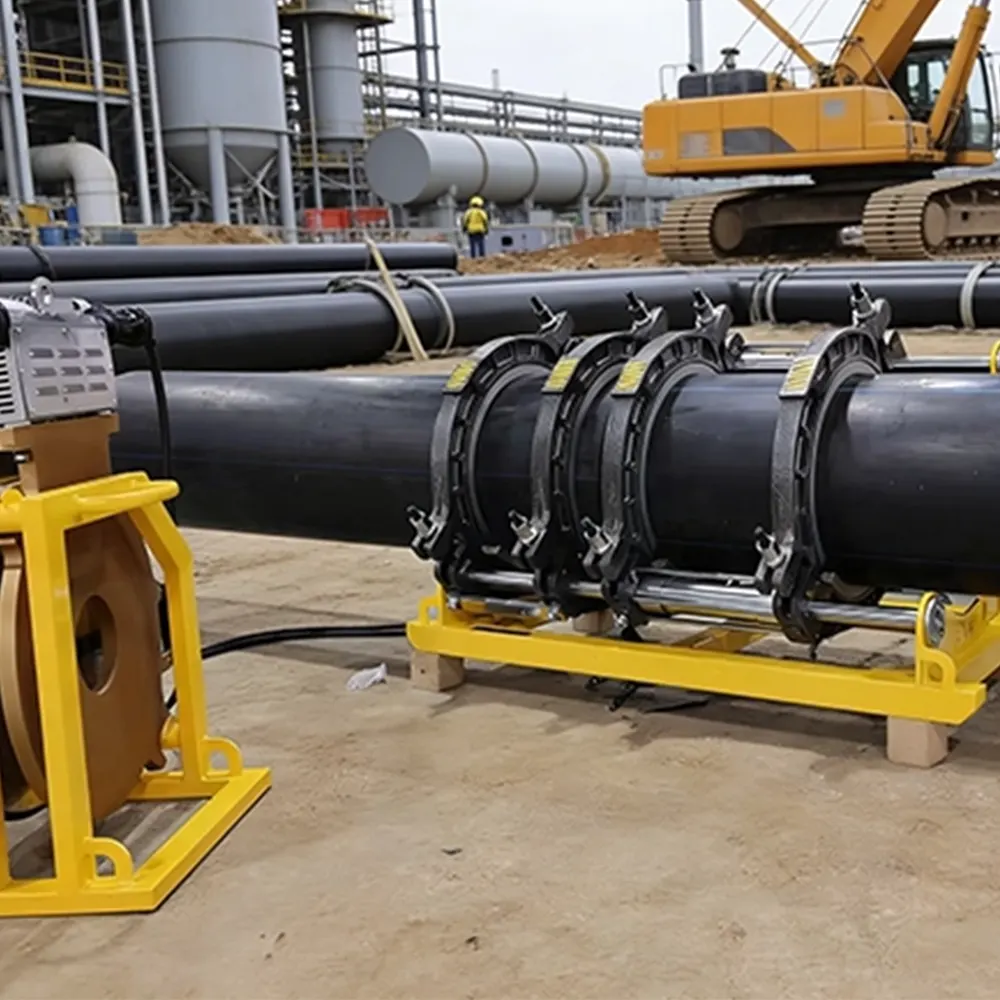
Butt fusion and electrofusion are the two most common polyethylene welding methods used across Vietnam. Butt fusion is ideal for long runs of HDPE mains and large-diameter pipes, while electrofusion is often preferred for repair work, fittings, and connections in confined spaces. Knowing the right method for your project is the first step toward selecting the best machine.
What Vietnamese Contractors Look For
Local contractors prioritize durability, portability for remote sites, and easy maintenance. Machines that tolerate high humidity, salt-air corrosion in coastal provinces, and long operating hours are preferred. Quick access to spare parts, training services, and responsive technical support in Vietnam can cut downtime dramatically.
Essential Features to Compare
When evaluating suppliers, check for stable clamping systems, precise heating plate temperature control, reliable hydraulic units (for hydraulic models), and clear welding data logging. Certifications, warranty terms, and on-site commissioning support are critical — especially for large municipal projects and gas distribution systems.
Quick Comparison Table — What to Expect
| Feature | Why It Matters | Recommended Spec for Vietnam |
|---|---|---|
| Portability | Access to remote rural and mountainous sites | Lightweight frames, modular clamps |
| Corrosion resistance | Coastal salt-air and humid climates | Galvanized or coated components |
| Automation & Data Logging | Quality control and traceability for public projects | CNC/automatic options with weld reports |
| After-sales & Training | Minimize downtime, ensure correct procedures | Local technicians or fast remote support |
Practical buying tips: insist on a machine that includes spare heating plates, simple calibration steps, and clear welding parameter presets for the common PE grades used in Vietnam (PE80/PE100). For large-diameter municipal projects choose hydraulic or CNC automatic butt fusion machines to maintain consistent joint quality.
Where to Source Reliable Equipment
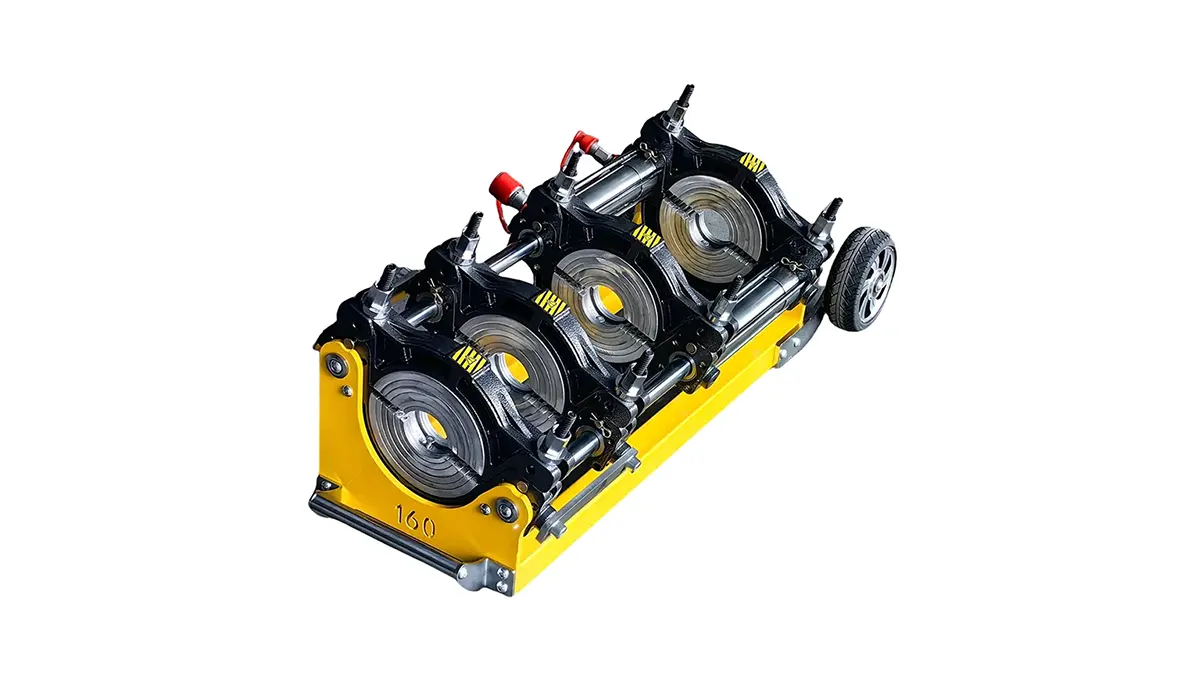
International manufacturers with proven HDPE welding lines and flexible model ranges are often the best fit for Vietnam’s mixed project needs. One manufacturer offering a broad range of manual, hydraulic, and CNC automatic butt fusion machines — along with electrofusion options and global project experience — is available at: https://jq-fusionwelding.com/
Final Checklist Before Purchase
Before placing an order, verify:
– Welding procedure documentation and machine calibration certificates.
– Local support or training availability in Vietnam.
– Compatibility with pipe diameters you use most often.
– Spare parts lead time and warranty coverage.
Conclusion
For Vietnamese projects — from coastal pipeline installs to inland irrigation and urban utilities — the best polyethylene welding machine balances robustness, precise control, and accessible support. Prioritize machines that come with documented quality control, easy maintenance, and data logging to meet both field realities and regulatory expectations in Vietnam.



