
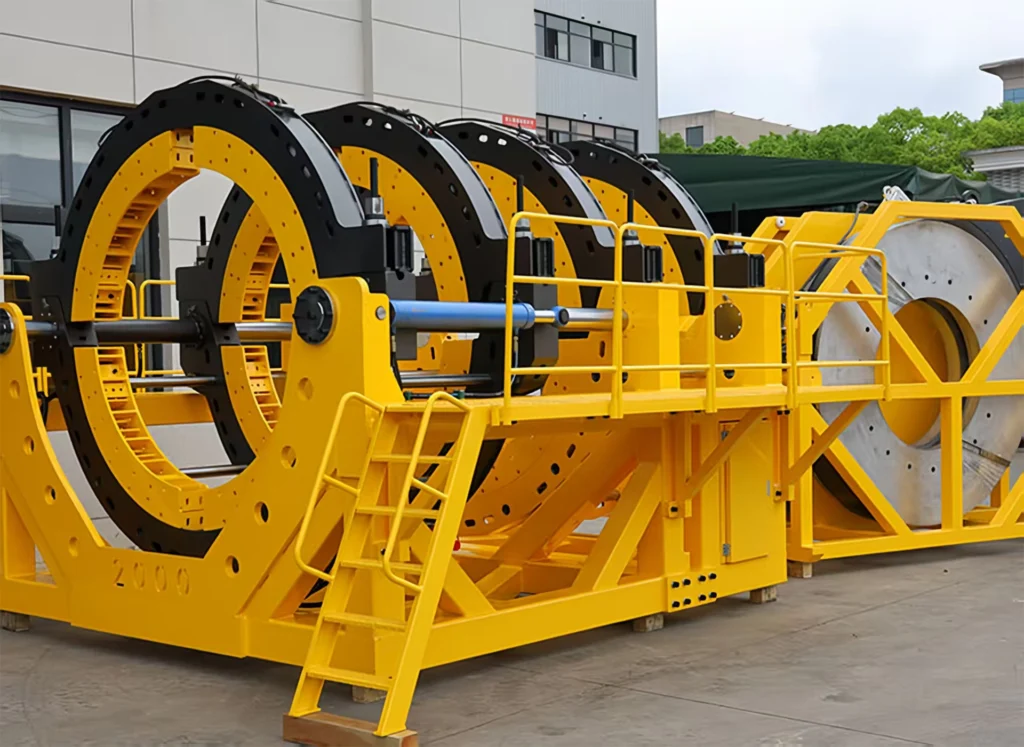
Buying a pipe fusion machine is a major investment for contractors, utilities, and pipeline fabricators. This guide explains typical pipe fusion machine price ranges, the factors that drive cost, and practical tips to choose the right model for your projects. Read on to make a cost-effective purchase that balances performance, reliability, and long-term value.
Typical Price Ranges for Pipe Fusion Machines
The cost of a pipe fusion machine depends on type, diameter range, automation level, and brand. Below is a quick overview of market ranges to help you budget. Prices are approximate and will vary by region, configuration, and optional features.
| Machine Type | Typical Price Range (USD) | Best For |
|---|---|---|
| Manual Butt Fusion | $800 – $6,000 | Small jobs, contractors, field repairs |
| Hydraulic Butt Fusion | $6,000 – $45,000 | Medium-to-large diameter pipelines, higher throughput |
| Automatic/CNC Butt Fusion | $25,000 – $200,000+ | High-volume production, large-diameter precision welding |
| Electrofusion Welders | $1,200 – $18,000 | Service connections, fittings, gas distribution |
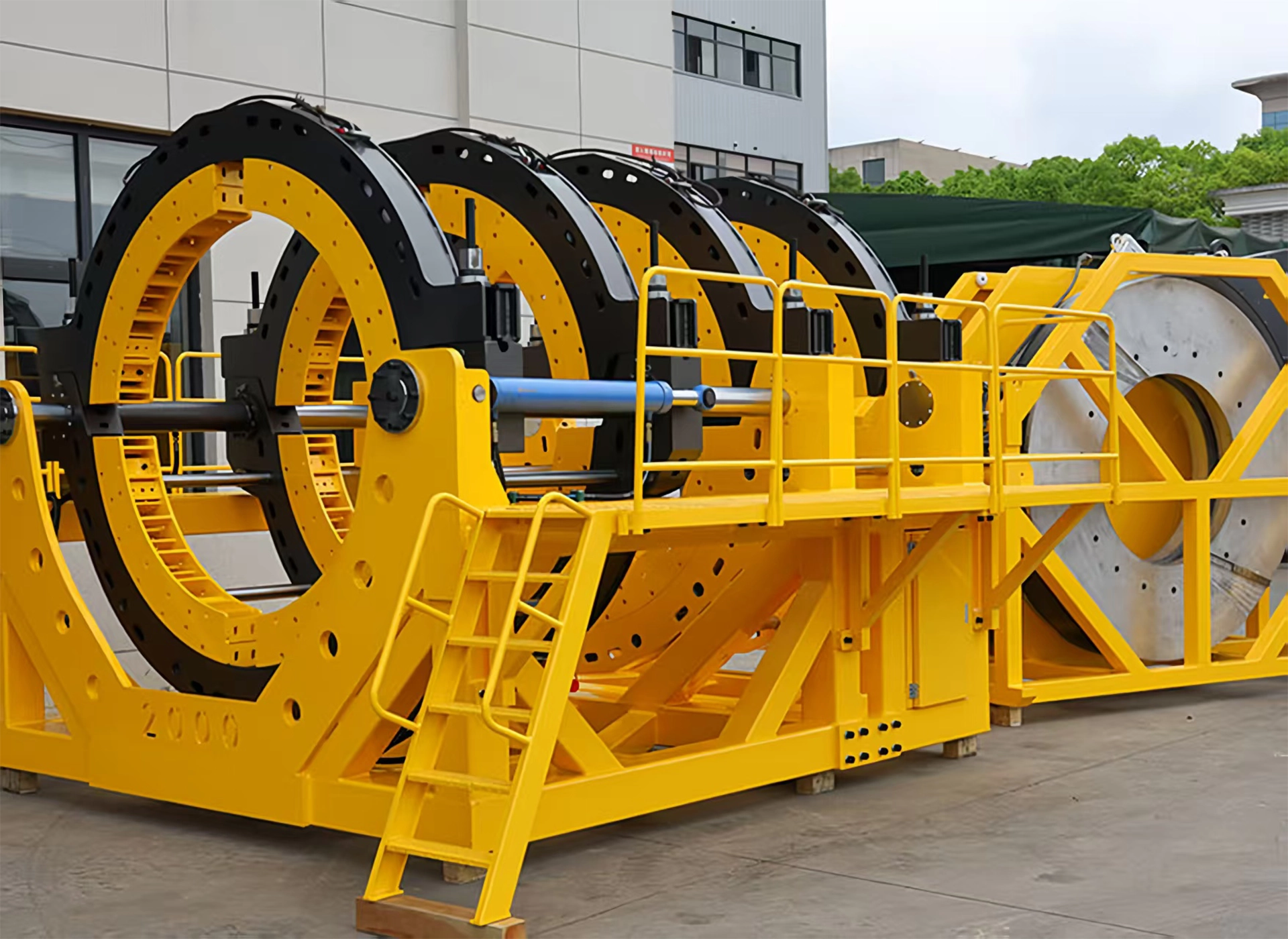
| Large Diameter Specialized Units | $50,000 – $300,000+ | Industrial, municipal trunk lines, large-diameter HDPE |
Key Factors That Affect Pipe Fusion Machine Price
1. Machine Type and Automation
Manual fusion machines are the most affordable but require skilled operators. Hydraulic and CNC automatic machines add motors, pumps, and control systems that raise costs. Automation delivers consistency and reduces labor, which can justify higher initial prices for large projects.
2. Diameter Capacity and Clamping System
Clamps and frames sized for larger diameters require stronger materials and precision engineering. Machines that handle a wide range of pipe sizes (e.g., 20 mm to 1,600 mm) cost more due to modular jaws and heavier frames.
3. Heating Plate and Trimming Tools
High-quality heating plates with even temperature distribution and durable coatings improve weld quality and lifespan — and add to the price. Integrated trimmers, facing units, and specialized heating plates are common cost drivers.
4. Control Electronics and Software
Digital control panels, programmable weld cycles, data logging, and remote diagnostics increase machine value. Machines with ISO or traceable weld records typically include more advanced electronics and therefore command higher prices.
5. Build Quality and Materials
Sturdier frames, corrosion-resistant finishes, and premium hydraulic components extend service life. Industrial-grade parts cost more up-front but reduce downtime and maintenance costs over time.
6. Certification, Testing & Warranty
Machines that meet international standards (e.g., ASTM, ISO) and come with documented testing may cost more, but they reduce risk for certified projects. Warranty length and on-site support also influence pricing.

How to Choose the Right Pipe Fusion Machine
Match machine capabilities to your operational needs. Consider these practical criteria before buying:
• Project scale and typical pipe diameters — choose a machine that covers most jobs without constant changeovers.
• Required throughput — for high-volume pipelines, automation and hydraulic systems save time.
• Operator skill level — manual units are cost-effective for skilled crews; automated systems help less experienced teams achieve consistent results.
• Mobility and site conditions — portable or trailer-mounted options are ideal for remote jobsites.
• Budget vs total cost of ownership — factor spare parts, consumables (heating plates, trims), training, and service contracts into your decision.
Buying Checklist (Short)
• Confirm diameter range and jaw compatibility.
• Review control features: data logging, programmable cycles, safety interlocks.
• Ask for weld test reports and certification.
• Clarify shipping, installation, and training costs.
• Compare spare-part lead times and local support availability.
Comparing Lifetime Cost vs. Upfront Price
Lower upfront costs can hide higher lifetime expenses. Consider:
• Operating costs: fuel/electricity, hydraulic oil, consumables.
• Downtime risks: faster, more reliable machines often reduce repair frequency.
• Resale value: well-maintained, branded machines retain value better.
Tip: Create a simple ROI model: estimate annual weld hours, labor savings from automation, and expected machine life (years) to compare candidates.
Maintenance & Operating Cost Considerations
Routine maintenance (hydraulic checks, calibration, heater plate care) extends service life. Budget for spare jaws, heating elements, and electronics modules. Machines with modular, easy-to-repair designs lower long-term expense.
Selecting a Supplier and After-Sales Support
Reliable service, spare parts availability, and training are as important as machine specs. When comparing offers, request:
• Lead times for common spares.
• On-site installation or commissioning options.
• Training packages and weld procedure documentation.
Quick Decision Framework
• For occasional repairs and small projects: choose a quality manual or electrofusion unit.
• For medium pipelines and frequent fieldwork: invest in a hydraulic butt fusion machine.
• For high-precision, high-volume production: opt for an automatic/CNC system with data logging and service support.
Pricing Negotiation & Saving Tips
• Bundle machines with essential accessories to reduce separate shipping costs.
• Request factory-configured packages that include clamps, heating plates, and facing tools.
• Compare warranty terms and request discounted service packages or training when possible.
For professional butt fusion solutions and a range of manual, hydraulic, and CNC automatic machines, consider contacting JQ-Fusion for model options, specs, and quotations: JQ-Fusion.



