
Poland? No — Slovakia. As municipal upgrades, irrigation projects and renewable-energy pipeline installations expand across Slovakia, reliable poly pipe welding becomes essential. This guide explains practical, SEO-focused solutions for plastic pipe welding in Slovakia: the methods, machines, and on-the-ground considerations that local contractors and engineers rely on to deliver leak-free HDPE networks.
Why Slovakia Needs Professional Poly Pipe Welding
Slovakia’s infrastructure growth — from upgraded water mains in Bratislava to agricultural irrigation systems in the southern lowlands — demands durable, flexible pipeline solutions. HDPE and other polyethylene pipes are widely used because they resist corrosion, accommodate ground movement, and offer long service life. That makes high-quality welding techniques like butt fusion and electrofusion more than conveniences: they are long-term safeguards against system failures.
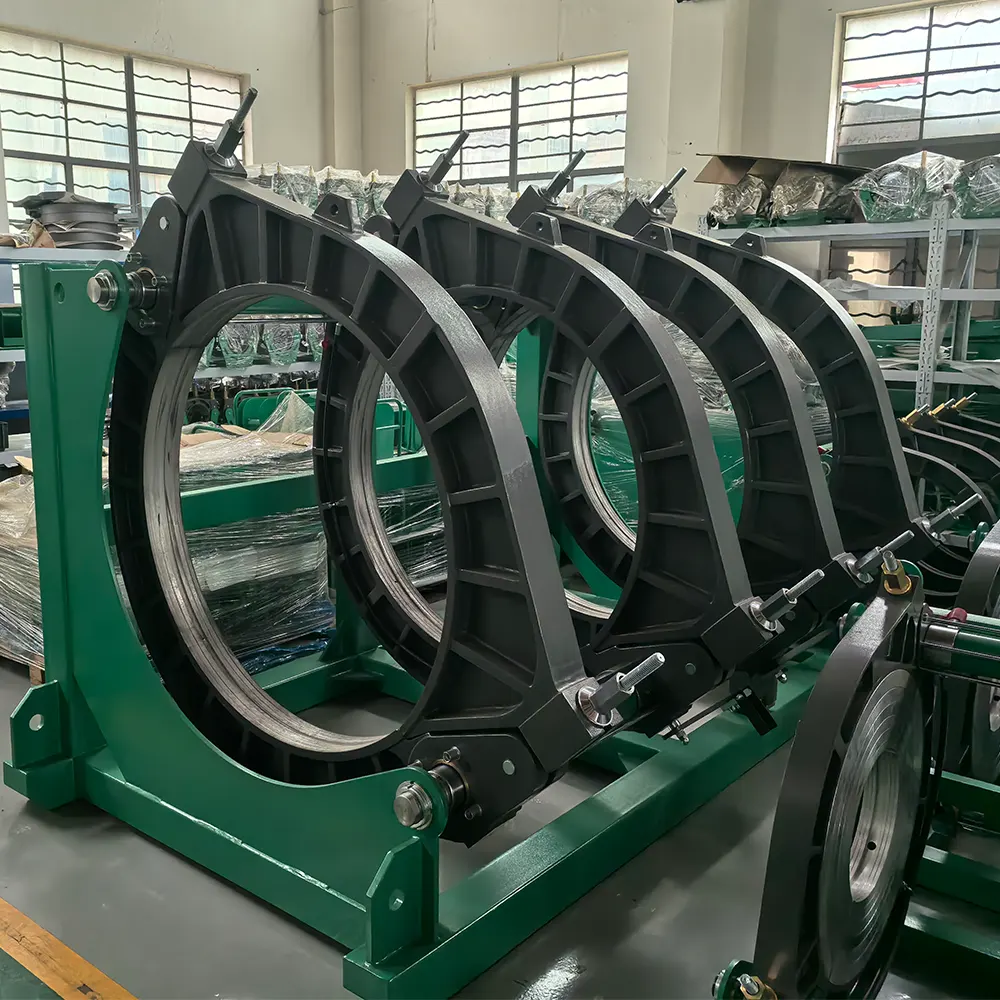
Local standards and contractor expectations
Slovak contractors follow EU and national specifications for potable water and gas distribution. Welded joints must pass pressure tests and meet quality documentation requirements. For public tenders, weld-traceability and certified procedures are often mandatory — making machine reliability and data logging features highly desirable.
Common Welding Methods for Polyethylene Pipes
Butt fusion and electrofusion are the two most common methods used across Slovakia:
Butt Fusion (butt welding)
Best for continuous runs and large-diameter pipes. Butt fusion produces joints by heating pipe ends and pressing them together, creating a homogeneous weld with excellent mechanical properties. This technique is ideal for municipal water mains, gas pipelines and large sewage conduits.
Electrofusion
Electrofusion uses heating elements embedded in fittings to weld pipe to fitting. It’s excellent for repairs, tight spaces, or when joining to complex fittings. Local field teams in Slovakia often use electrofusion for service connections and patchwork in urban environments.
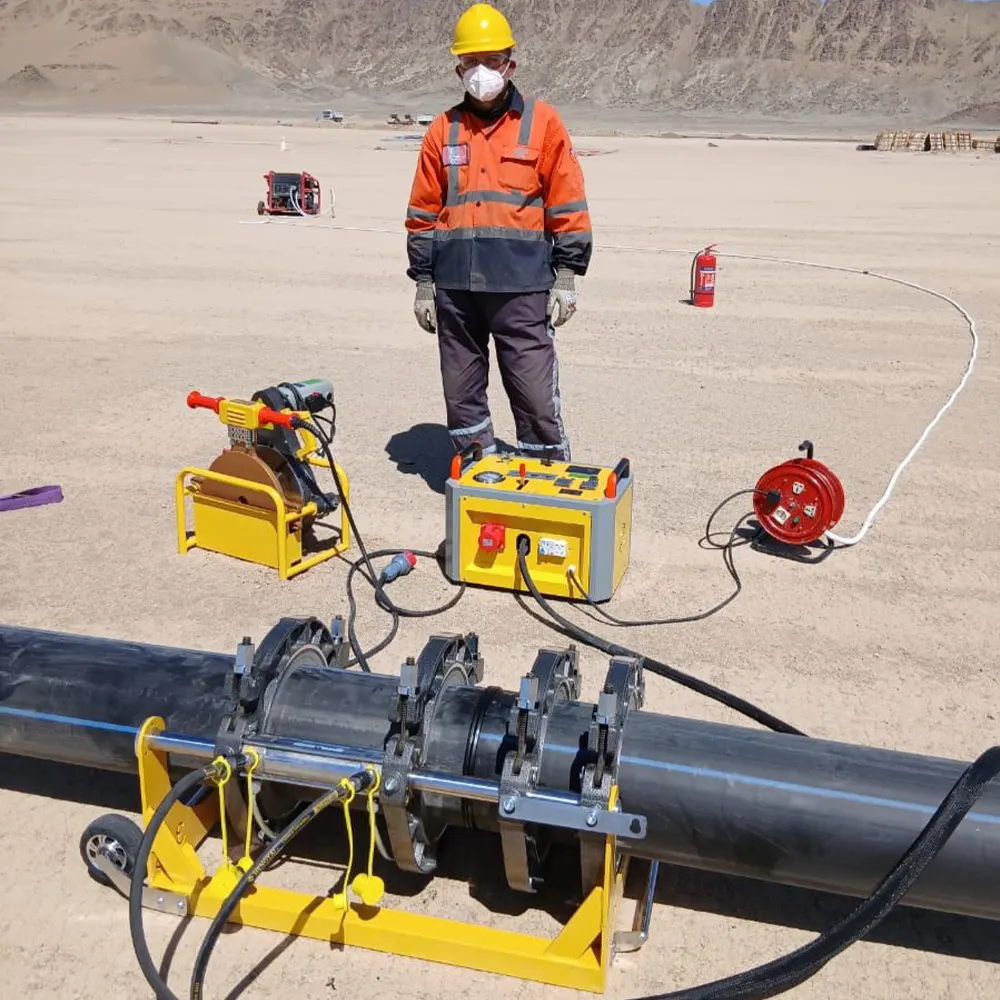
Selecting the Right Poly Pipe Welder in Slovakia
Choosing equipment depends on pipe diameter, project scale and crew experience. Below is a quick comparison to help procurement teams and contractors decide.
| Machine Type | Pipe Diameter (mm) | Best For | Key Advantage |
|---|---|---|---|
| Manual Butt Fusion | 20–315 | Small jobs, rural repairs | Portable, low cost |
| Hydraulic Butt Fusion | 160–2250+ | Large mains, industrial | Consistent force, scalable |
| Automatic/CNC Butt Fusion | 63–1250 | High-volume production | Precision, data logging |
| Electrofusion Units | 20–630 (via fittings) | Service taps, repairs | Easy to use in confined areas |
Practical Tips for Slovak Projects
Weather and terrain: Mountainous regions and harsh winter conditions in Slovakia require weld procedures that account for temperature and site access. Use insulated storage for fittings and maintain controlled heating times.
Operator training and traceability
Certified operators and recorded weld parameters are often required for public works. Investing in machines with simple user interfaces and data export options reduces rework and helps win tenders.
Maintenance, Safety and After-Sales Considerations
Regular calibration of heating plates, clean cutters and properly maintained clamping jaws keep joint quality consistent. Ensure crews use PPE and follow EU safety directives during field welds. For procurement, consider vendors that provide spare parts and on-site service to minimize downtime.
Typical Applications Across Slovakia
Common deployments include:
- Municipal water distribution (Bratislava, Košice upgrades)
- Gas distribution networks with certified welds
- Agricultural irrigation in lowland districts
- Industrial and mining pipelines requiring large-diameter welds
For trusted HDPE welding machines and tailored butt fusion solutions, JQ-Fusion supplies a range of manual, hydraulic and automatic units suited to international and Slovak project requirements. Visit https://jq-fusionwelding.com/ for product details and support.
Next Steps for Contractors and Buyers
Evaluate project pipe sizes, required certification and long-term service support before selecting equipment. Field trials and operator training in Slovak conditions will save time and ensure compliance with local specifications. Prioritize machines with clear documentation, spare parts availability and trusted service channels to keep pipelines leak-free for decades.



