
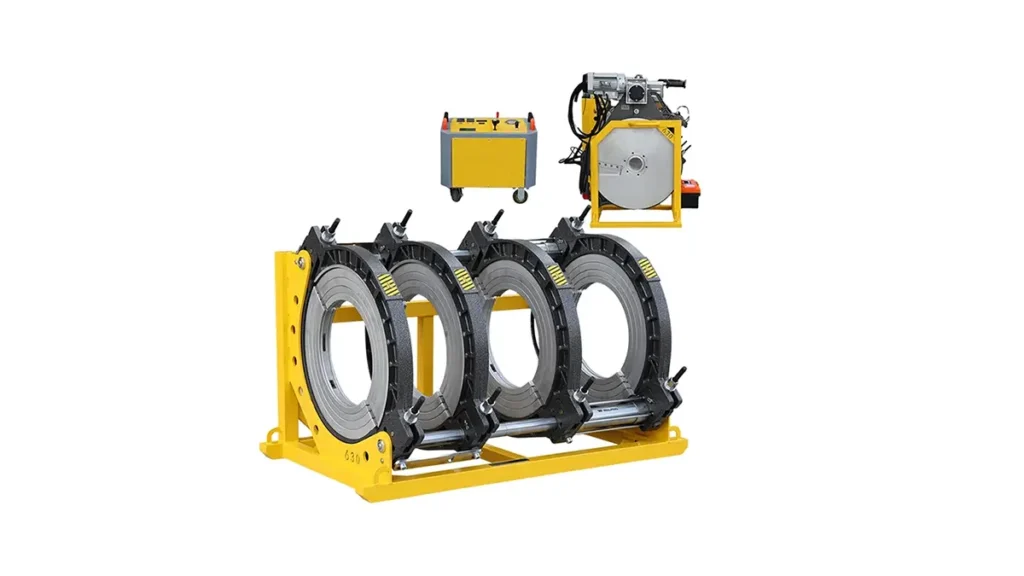
Poly fusion machines are transforming pipeline installation in Somalia by delivering reliable HDPE butt fusion welding solutions tailored to the country’s water and energy infrastructure needs. From community water supply lines to irrigation schemes and small-scale gas projects, modern fusion equipment helps contractors and aid organizations achieve leak-proof, long-lasting joints that withstand Somalia’s harsh climate.
Why HDPE Butt Fusion Works Well in Somalia
HDPE piping joined by butt fusion creates homogeneous, monolithic joints that eliminate leak points common with mechanical fittings. In Somalia, where many projects cross remote terrain, coastal salt-exposed environments, and hot, dusty conditions, the resilience of fused joints reduces maintenance and protects precious water resources. Durability, corrosion resistance, and fast installation make butt fusion the preferred method for NGOs, contractors, and municipal works.
Machine Types Suited to Somali Projects
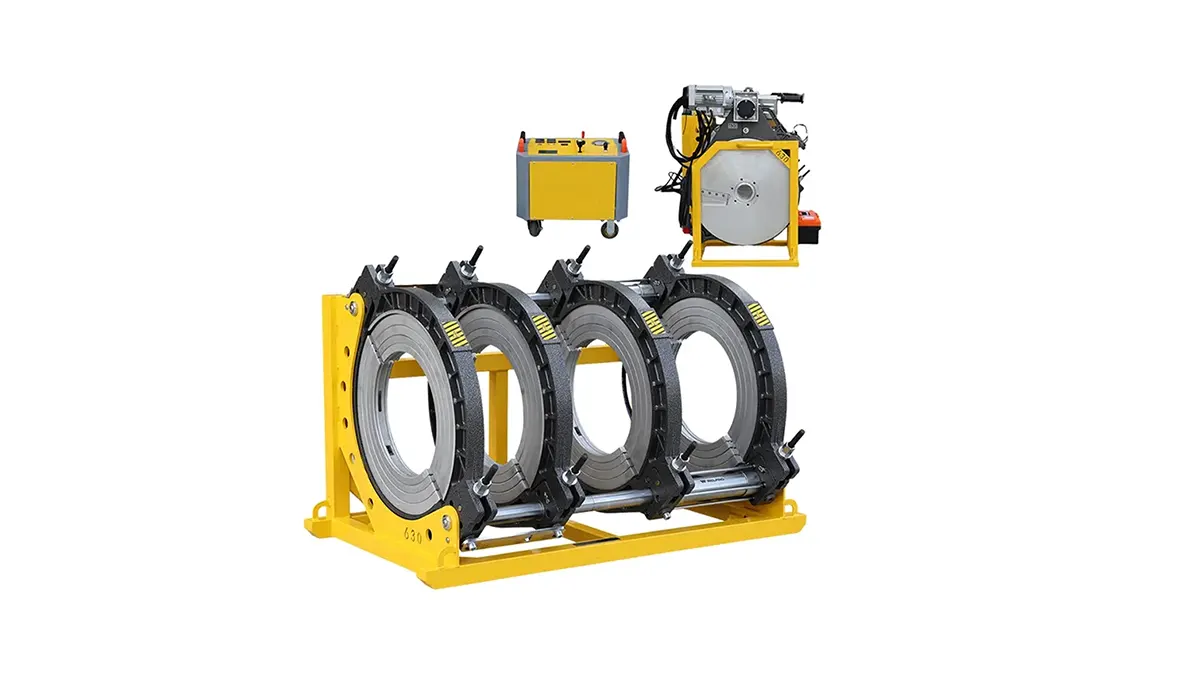
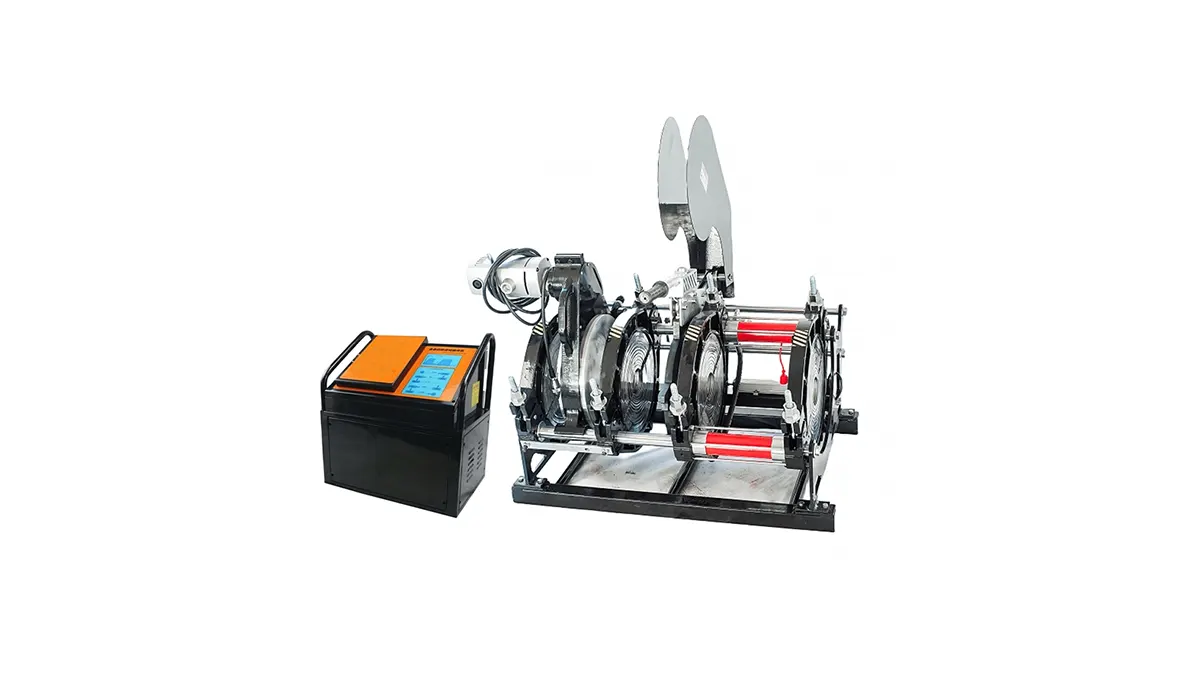
Selecting the right fusion machine depends on pipe diameter, site access, available power, and crew skill level. Manual and compact machines are ideal for rural borehole and distribution lines; hydraulic and CNC automatic units speed up large-diameter installations for urban water mains and major irrigation trunks. Lightweight frames and robust clamping systems help crews work on uneven surfaces common in field conditions.
Popular Configurations at a Glance
| Model Type | Pipe Range | Best For |
|---|---|---|
| Manual / Portable Machines | 16mm – 160mm | Rural water supply, repairs |
| Hydraulic Fusion Units | 160mm – 1600mm+ | Urban mains, irrigation trunklines |
| CNC Automatic Machines | 200mm – 1600mm | Large projects, high-volume production |
Benefits for Water and Gas Projects
Leak-free pipelines reduce non-revenue water and protect drinking supplies. Fusion joints are also resistant to chemical attack and UV exposure when using correct PE grades — an important factor for Somalia’s coastal and inland environments. For small gas or LPG distribution and biogas systems, properly fused HDPE pipes provide safe, flexible routing with minimal joint maintenance.
Field-Proven Advantages
– Faster line commissioning compared to traditional joining methods.
– Lower lifetime operating costs because fused joints require little upkeep.
– Easy deployment for humanitarian projects and remote contractors using portable fusion kits.
– Compatibility with rehabilitation works around urban centers like Mogadishu and port hubs such as Berbera.
Training, Support & Logistics in Somali Contexts
Successful projects depend on trained operators, readily available spare parts, and shipment routes that reach project hubs. Local crews benefit from short, practical training sessions focused on temperature compensation, plate maintenance, and joint inspection. Robust packaging and clear export documentation ensure equipment reaches port and inland destinations intact; consider units that can be serviced with common spare items in regional warehouses.
Practical Tips for Working in Somalia
High temperatures and blowing sand require preparation: protect heating plates and equipment from direct sun, use shades or tents for fusion sessions, and store pipes off hot surfaces to avoid distortion. When power is unreliable, choose machines that run on small diesel generators or battery-assisted systems. Always perform visual and dimensional checks before and after fusion to ensure quality under field conditions.
For reliable HDPE fusion solutions and guidance for projects across Somalia, contact JQ-Fusion at https://jq-fusionwelding.com/ to discuss machine selection, training packages, and logistics tailored to your site requirements.



