
Hungary’s infrastructure projects — from municipal water networks in Budapest to rural gas distribution and agricultural irrigation systems — increasingly rely on durable, leak-free HDPE pipelines. Choosing the right HDPE jointing machine ensures long-term performance in Central Europe’s varied climate and EU-regulated environments.
Why Hungarian Contractors Prefer Butt Fusion for HDPE Pipes
Butt fusion welding creates homogenous, joint-strength connections that stand up to frost, soil movement, and pressure fluctuations common across Hungary. Civil engineers, utility companies and private contractors value the method for its efficiency, low maintenance and compatibility with EU material standards. For pipeline work near the Danube or in colder plains, reliable equipment reduces rework and downtime.
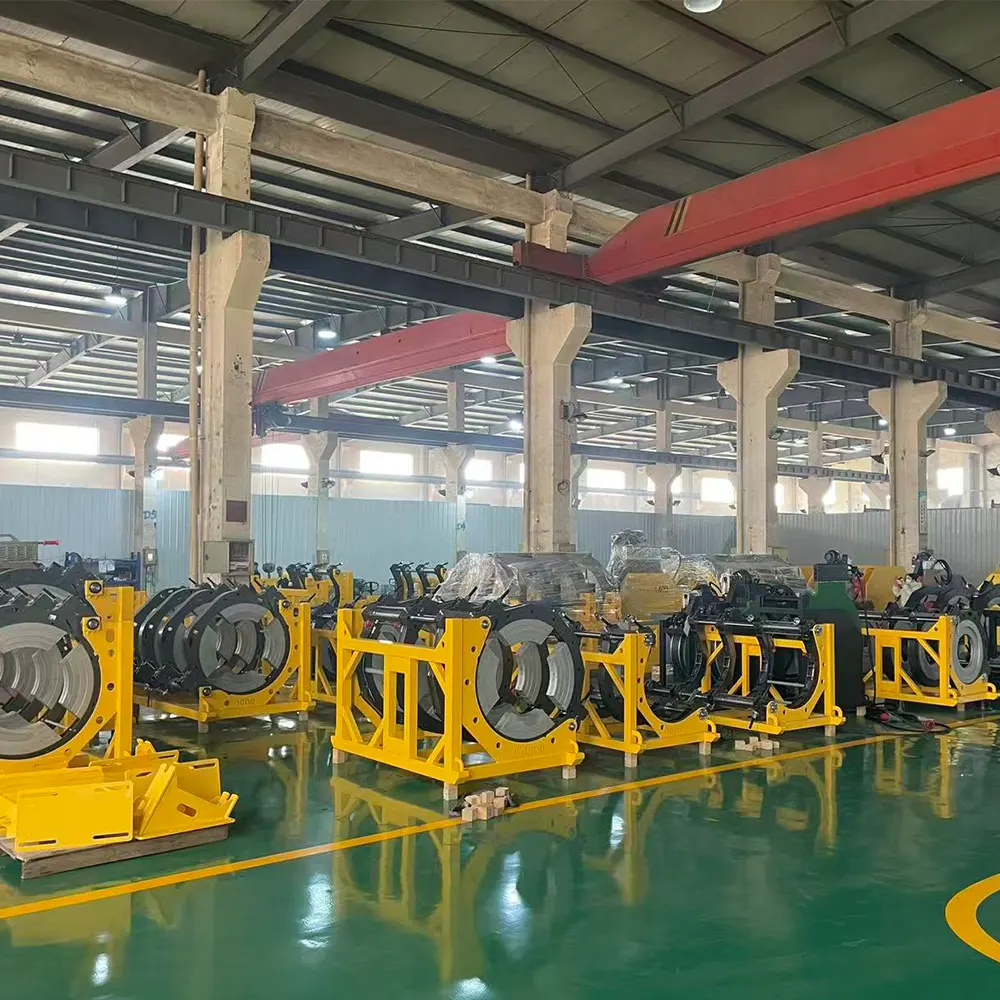
Range of Machines for Every Hungarian Project
From small-diameter service lines to large-diameter mains, modern jointing machines adapt to site constraints and project timelines. Operators working on urban upgrades or remote agricultural pipelines need flexible options — mobile manual units for tight spaces and CNC automatic systems for high-volume, high-precision runs.
| Model / Type | Pipe Diameter (mm) | Typical Hungarian Application |
|---|---|---|
| Manual Butt Fusion | 20 – 315 | Household & service connections |
| Hydraulic Butt Fusion | 160 – 1250 | Municipal water mains, industrial lines |
| CNC Automatic Systems | 63 – 630+ | High-volume pipeline projects, gas networks |
Key Features Hungarian Teams Should Look For
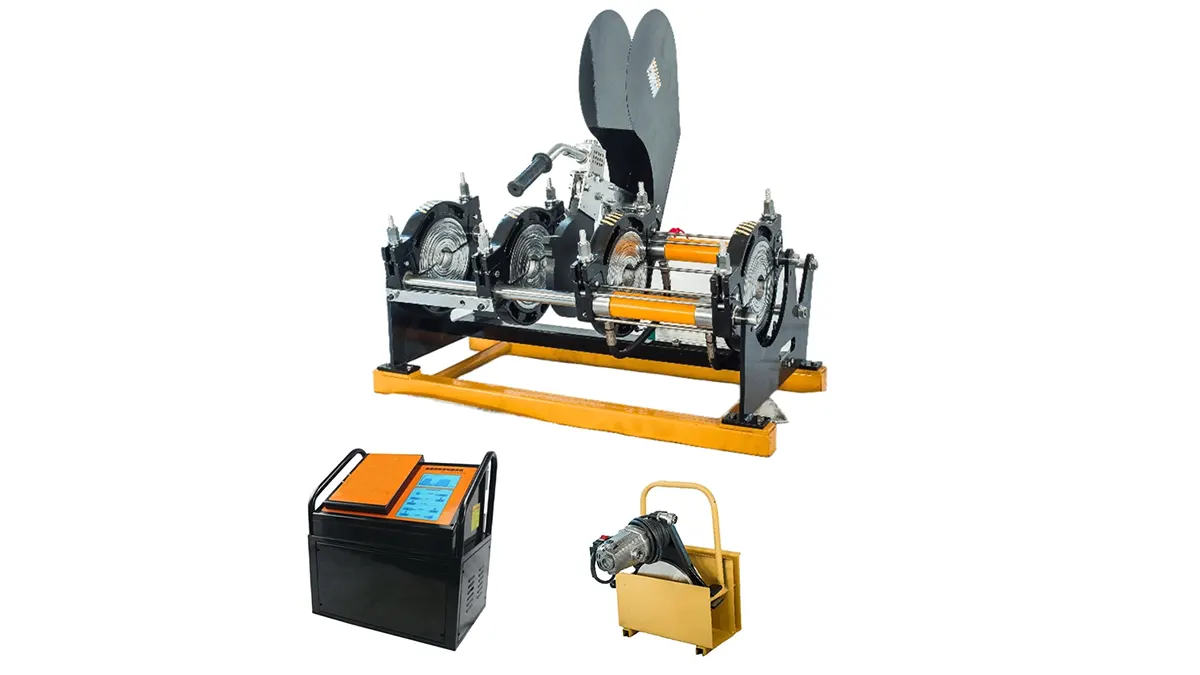
• Robust clamping and alignment systems to ensure concentric heating and consistent bead formation across variable soil and site conditions.
• Precise temperature control and integrated heaters for repeatable weld quality during colder months.
• Portable and modular designs that travel easily between urban streets and rural sites.
• Clear documentation and traceable weld records to satisfy EU project audits and local utility requirements.
Installation Best Practices for Hungary’s Climate
Proper preparation is essential: clean pipe ends, correct facing, and controlled preheating. In winter, protect heating plates from wind and keep ambient temperature monitoring as part of the weld protocol. For projects near waterways or in frost-prone zones, upsized wall thickness and certified welding parameters improve service life.
Service, Training & Local Support
Local teams and international suppliers should provide on-site training and fast spare parts delivery to minimize downtime. Equipment with user-friendly interfaces and multilingual manuals helps multicultural crews across Hungary and neighboring EU countries maintain consistent weld quality.
JQ-Fusion (https://jq-fusionwelding.com/) offers a broad portfolio of manual, hydraulic and CNC automatic butt fusion machines covering small to large diameters, tailored for global infrastructure demands and suitable for Hungarian utility and construction projects.
Choosing the Right Partner
Reliable equipment, documented welds and responsive after-sales support are the foundation of lasting pipeline infrastructure in Hungary. Whether upgrading urban distribution networks, expanding rural irrigation, or executing EU-funded water projects, selecting proven HDPE jointing solutions protects budgets and communities.
Ready to specify a machine for your next Hungarian project? Evaluate machine range, on-site training options, and spare parts logistics before procurement to ensure smooth project delivery.



