
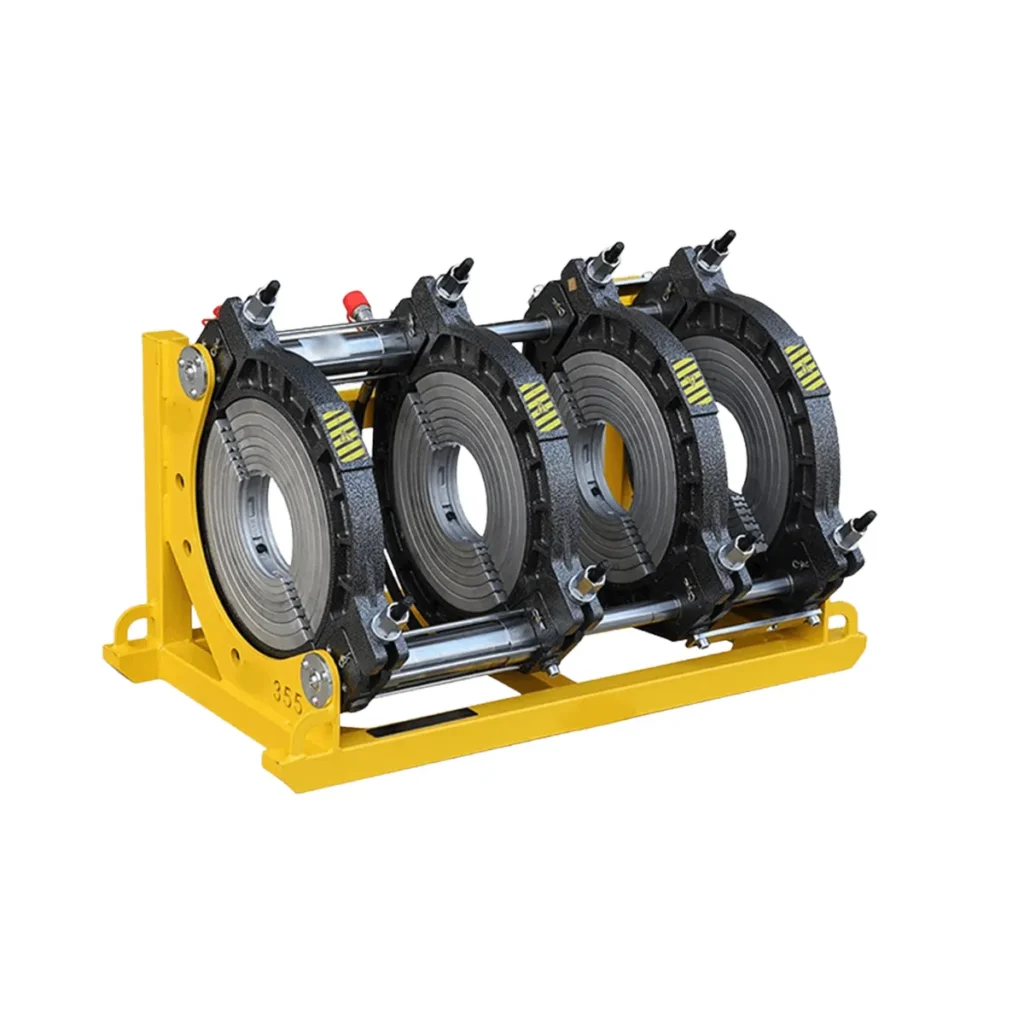
Choosing the best poly pipe welder in Romania means matching equipment to local projects — from urban water mains in Bucharest to rural irrigation and gas distribution in Transylvania. This guide helps Romanian contractors, municipal buyers, and distributors identify the right butt fusion and electrofusion welding solutions for HDPE and other poly piping systems.
Why the right poly pipe welder matters in Romania
Romania’s infrastructure programs are driven by EU funding, aging networks, and expanding rural utilities. Harsh winters and wide temperature swings demand welding machines that deliver consistent joint strength, minimal rework, and reliable on-site performance. For local contractors, uptime, spare-part access, and operator training are just as important as machine specifications.
Key machine types and where they fit
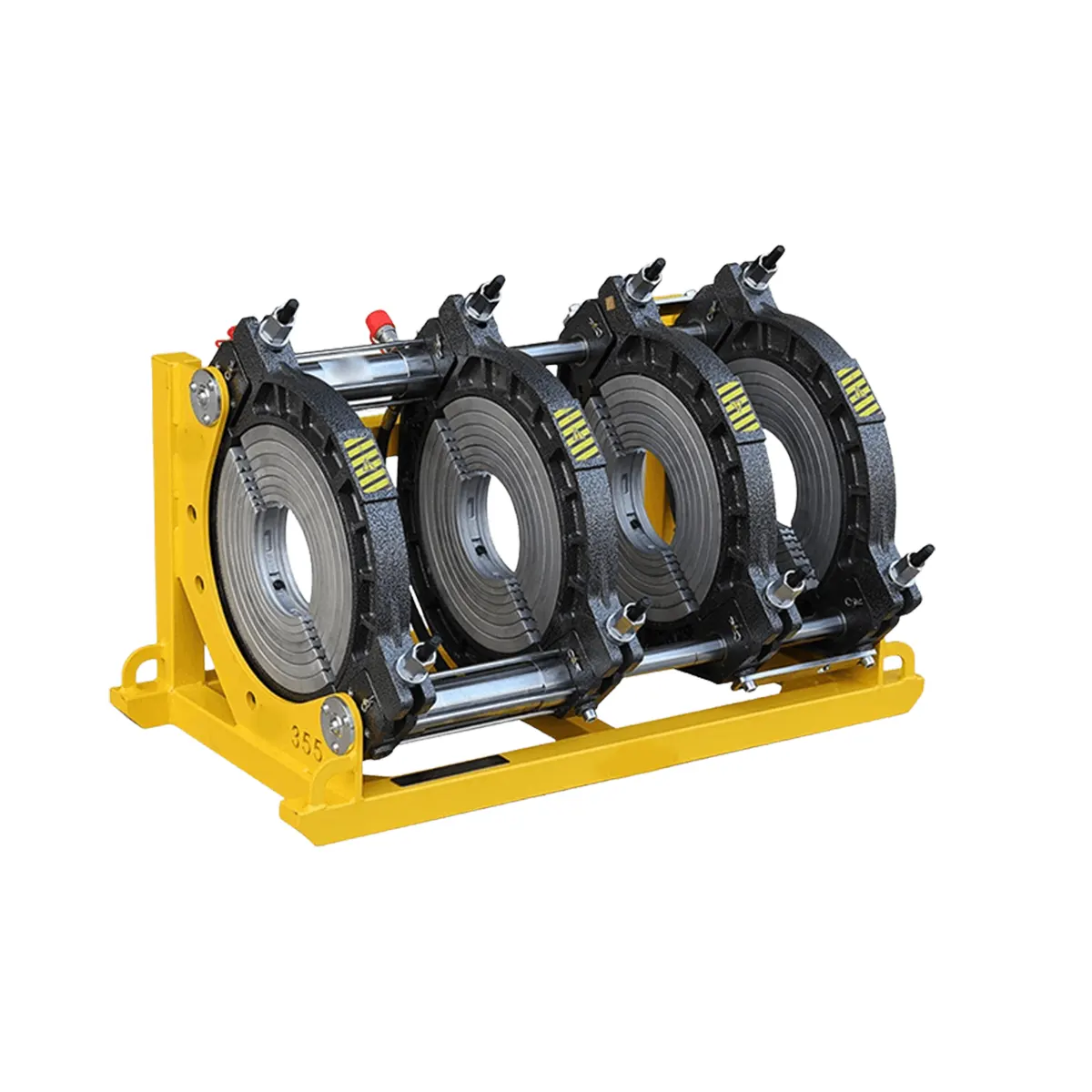
Manual machines: ideal for small-diameter repairs and tight budgets. Hydraulic machines: best for medium to large mains and frequent on-site use. Automatic/CNC systems: recommended for production yards and large, repetitive welding projects where traceability and precision matter.
Feature comparison at a glance
| Type | Best for | Typical pipe range | Key advantage |
|---|---|---|---|
| Manual butt fusion | Small jobs, remote repairs | 20–160 mm | Low cost, portable |
| Hydraulic butt fusion | Municipal & industrial works | 160–1250+ mm | Powerful, reliable joints |
| Automatic/CNC | High-volume welding yards | 63–1600 mm | Repeatable precision, records |
What Romanian buyers should prioritize
Portability: Rugged frames, easy transport for mountain and village sites.
Spare parts & service: Fast access to heaters, clamps, and hydraulic components reduces downtime during seasonal peaks.
Compliance & traceability: Machines that support weld logs and parameter control help meet EU procurement and safety expectations.
Recommended manufacturer for Romanian projects
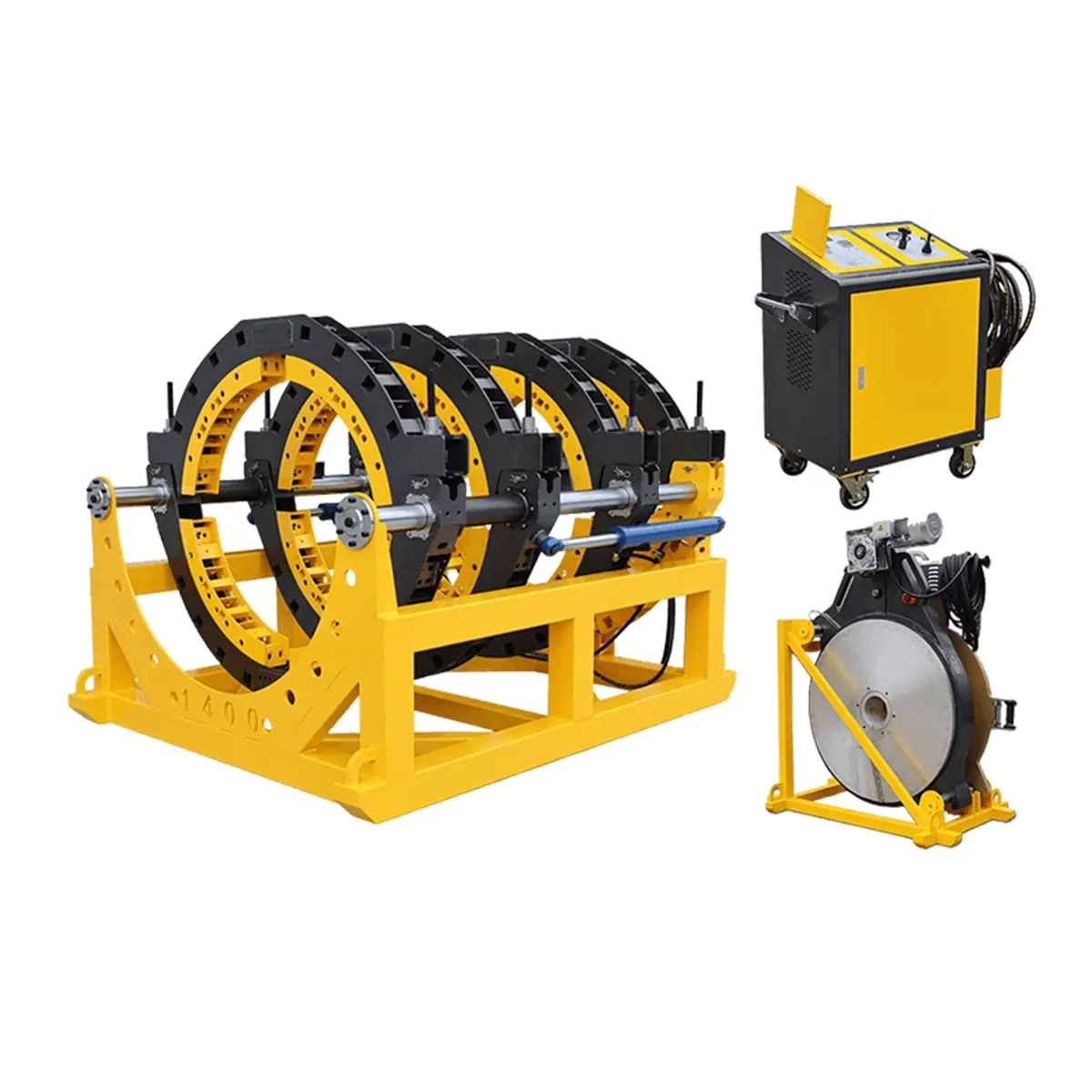
JQ-Fusion offers a wide range of HDPE pipe welding machines — from manual and hydraulic to CNC automatic butt fusion units — covering small repair jobs to large-diameter pipeline construction. Their products are designed for water supply, gas distribution, mining, and industrial pipelines, and they provide customizable solutions to match project scopes across Romania. Visit JQ-Fusion for model details and service options.
Buying checklist for Romanian contractors and utilities
1. Define pipe sizes and daily weld volume: Choose manual for occasional small jobs, hydraulic for regular field work, and automatic for production-scale welding.
2. Check heater and clamp quality: Good heating plates and robust clamps reduce cold joints and rework in low-temperature conditions.
3. Confirm hydraulic power and portability: Ensure the hydraulic unit can perform on slopes and in remote villages with limited access.
4. Verify documentation & training: Operator training and weld documentation are crucial for public tenders and warranty claims.
FAQs — Quick answers for Romanian buyers
Q: Which machine type suits municipal water networks? A: Hydraulic butt fusion machines are typically the best balance of speed and consistency for mains replacement.
Q: Are automatic machines necessary for rural projects? A: Not usually — automatic units excel in controlled yard setups. For field repairs and dispersed sites, smaller hydraulic or manual units are more practical.
Q: How to ensure weld quality in winter? A: Use well-maintained heaters, follow proper preheat and fusion parameters, and protect the joint area from wind and icing during the cycle.
Selecting the right poly pipe welder in Romania comes down to matching machine type, support and training, and local operational needs. Prioritizing durability, spare-part availability, and compliance ensures reliable, long-lasting pipelines across urban and rural projects.



