
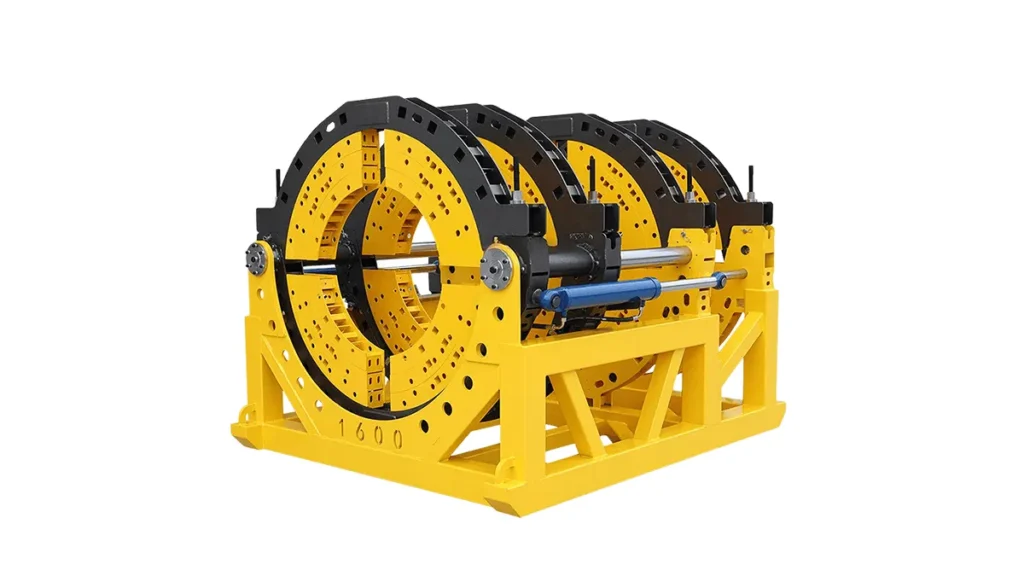
Malaysia’s infrastructure growth — from urban water networks in Kuala Lumpur to rural agricultural irrigation in Sabah and Sarawak — demands reliable pipe joining solutions. Butt fusion welding machines are a top choice for joining HDPE and other thermoplastic pipes due to their strength, leak-free joints, and long service life. This guide helps Malaysian contractors, engineers, and procurement teams select the right butt fusion machine, understand on-site considerations, and make smart purchases.
What Is Butt Fusion and Why It Matters in Malaysia
Butt fusion welding joins two pipe ends by heating them and applying controlled pressure until the material fuses into a single, homogeneous joint. In Malaysia, where heavy rainfall, coastal soils, and evolving utility networks create challenging operating environments, butt fusion delivers consistent, corrosion-free performance for water supply, gas distribution, and industrial pipelines.
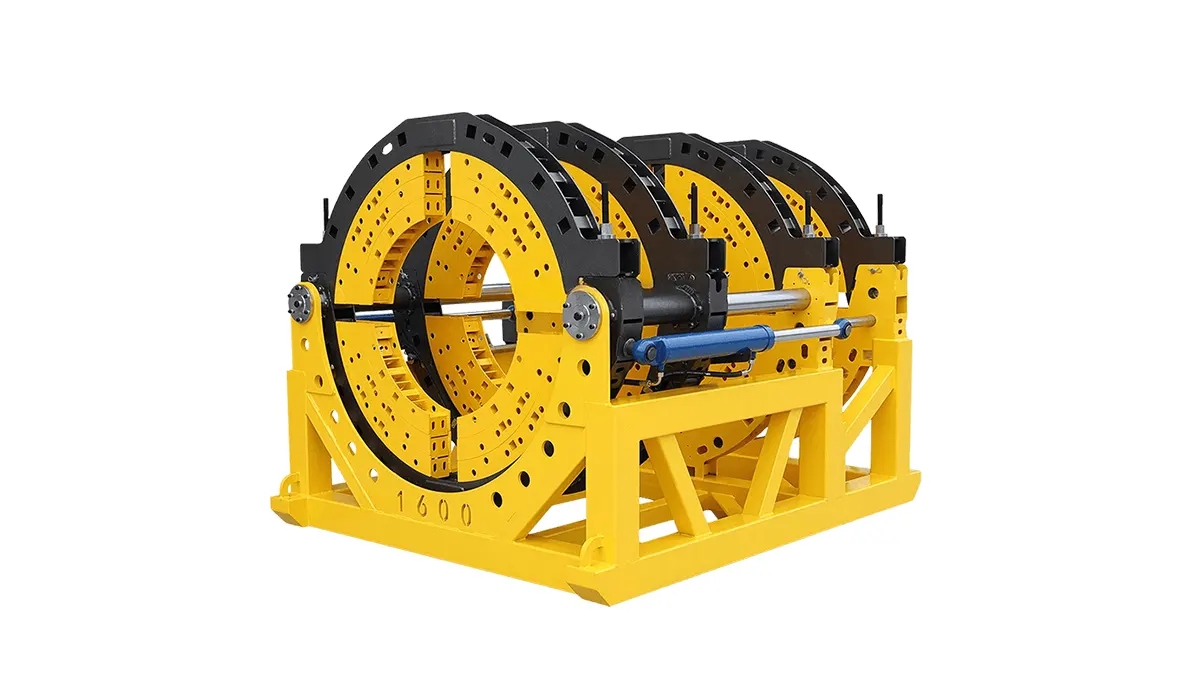
Key Benefits for Malaysian Projects
– Long-term joint integrity for tropical climates and variable soils.
– Suitable for a wide range of diameters used in municipal and plantation systems.
– Minimal maintenance and fast on-site cycle times to reduce labor costs.
– Portable manual and hydraulic units for remote job sites across Peninsular and East Malaysia.
Types of Butt Fusion Machines — Match to Your Project
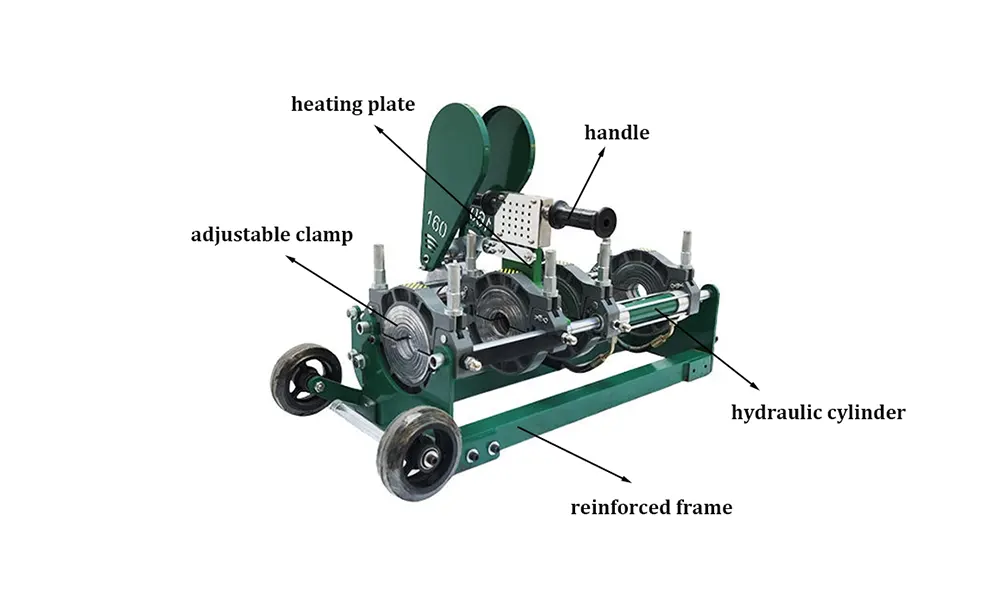
Manual Machines (Entry-Level)
Compact and cost-effective. Ideal for small-diameter pipes, occasional repairs, and small contractors. Manual control requires experienced operators but offers high portability for rural installations.
Hydraulic Machines (Most Popular)
Provide consistent pressure and are well-suited to medium and large diameter pipelines. Hydraulic units offer higher productivity for municipal water, sewer, and gas projects common in Malaysian cities and industrial estates.
Automatic / CNC Machines (High Precision)
Automated machines control heating time, pressure, and cooling precisely — essential for large infrastructure contracts and pipeline networks where tight QA/QC standards apply.
How to Choose the Right Butt Fusion Machine in Malaysia
Consider pipe diameter range, project scale, mobility needs, operator skill level, and budget. Below is a quick comparison to simplify decision-making.
| Machine Type | Pipe Range (mm) | Best For | Advantages |
|---|---|---|---|
| Manual | 20–315 | Small jobs, repairs | Low cost, portable |
| Hydraulic | 63–2250 | Municipal & industrial pipelines | Stable pressure, higher throughput |
| Automatic / CNC | 63–1600+ | Large projects, strict QA | Repeatable results, data logging |
On-Site Best Practices for Malaysian Conditions
Pre-Work Checks
Verify pipe material, wall thickness, and surface cleanliness. For coastal or high-humidity sites, wipe and dry ends thoroughly to avoid contamination during heating.
Temperature & Cooling
Follow recommended heating and cooling times for HDPE grades commonly used in Malaysia. Allow sufficient cooling in humid climates to ensure joint strength.
Operator Training
Certified training improves joint quality and reduces rework. For larger public or private projects, insist on machine operator certification to meet local standards.
Typical Applications Across Malaysia
– Municipal water pipelines and distribution networks in urban centers.
– Gas distribution systems and industrial piping in manufacturing hubs.
– Plantation irrigation and drainage lines in Sabah and Sarawak.
– Mining and construction dewatering systems.
Procurement Tips & Warranty Considerations
Buy from manufacturers or distributors that provide spare parts, on-site commissioning, and clear warranty policies. For large tenders or ongoing maintenance programs across Malaysian states, prioritize suppliers with local service networks and fast spare parts delivery.
Manufacturer Note
JQ-Fusion supplies a broad range of manual, hydraulic, and automatic butt fusion machines designed for global infrastructure projects and offers options suitable for Malaysian conditions.
Quick FAQ
Q: Are butt fusion joints safe for drinking water?
A: Yes. Properly executed butt fusion creates a homogeneous joint with no leak paths, making it suitable for potable water systems when using certified pipe materials.
Q: Can butt fusion be used for large diameters?
A: Absolutely. Hydraulic and CNC automatic units can handle large diameters commonly used in trunk mains and major infrastructure.
Next Steps for Malaysian Buyers
Evaluate your typical pipe diameters, project scale, and operator experience. Request machine demonstrations, check local spare parts availability, and compare total cost of ownership including training and service. Well-chosen butt fusion equipment will improve installation speed, reduce leak risk, and extend pipeline life across Malaysia’s diverse projects.
Ready to choose the right butt fusion solution for your Malaysian project? Visit https://jq-fusionwelding.com/ for model details, datasheets, and local support options.



