
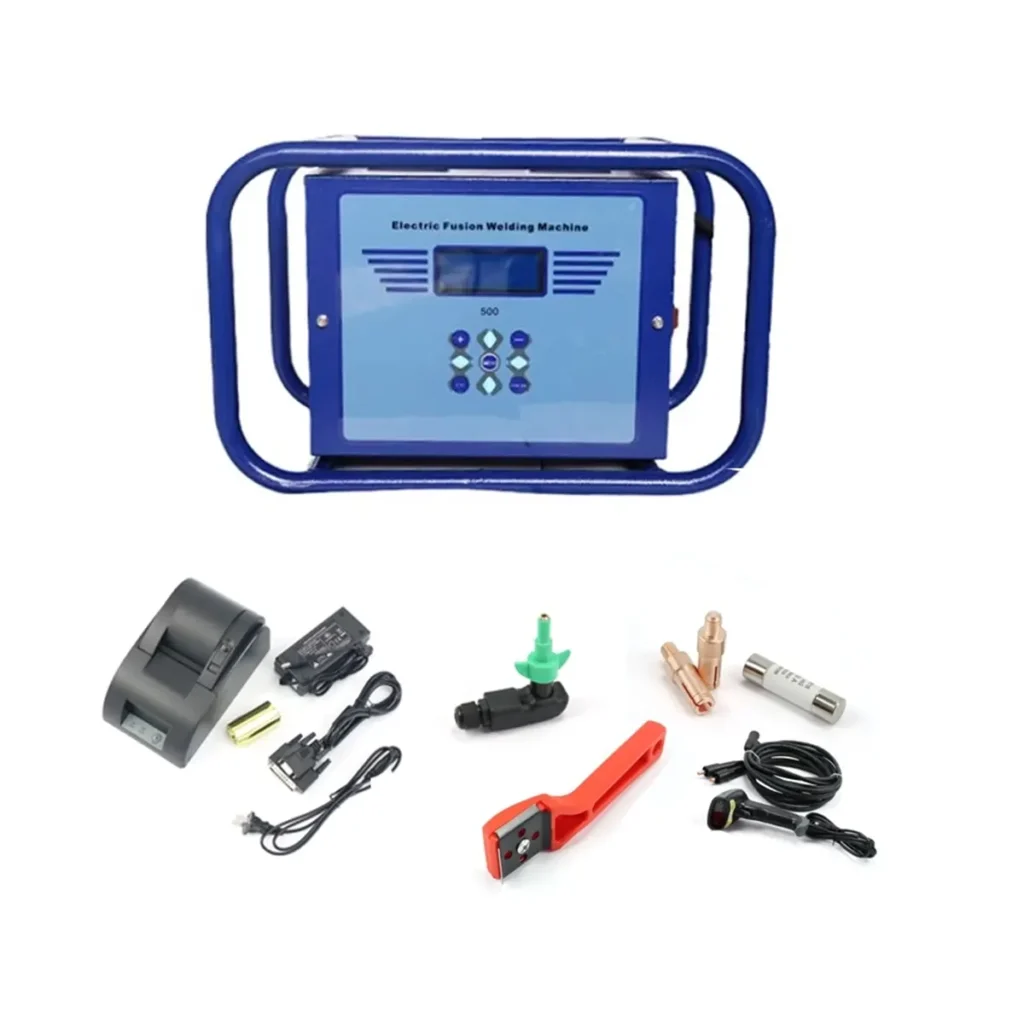
Argentina’s growing infrastructure projects — from urban water networks in Buenos Aires to agricultural irrigation systems in the Pampas and remote gas pipelines in Patagonia — demand dependable methods for joining polyethylene pipes. HDPE electrofusion welding machines offer a precise, reliable solution for pipe connection across varied climates and terrains, improving installation speed and long-term pipeline integrity.
Why Electrofusion Is Ideal for Argentina’s Pipeline Projects
Consistent joint quality: Electrofusion creates uniform, fusion-controlled joints that resist leakage, crucial for potable water and natural gas distribution networks in Argentina’s cities and rural areas.
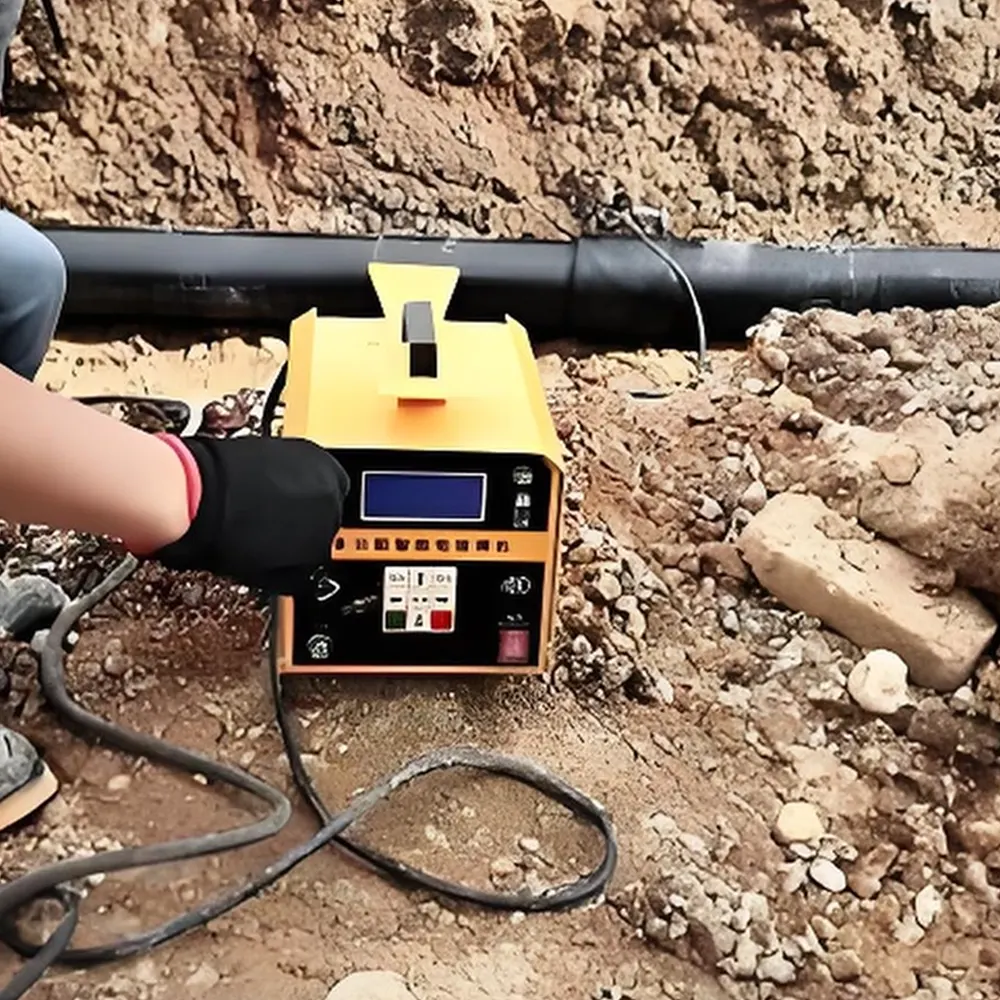
Adaptable to remote work sites: Portable electrofusion units perform well where access, power supply, or logistics are challenging — a frequent scenario for projects in Patagonia and the Andean foothills.
Reduced downtime and rework: The controlled heating cycles and automated parameters minimize operator error and ensure repeatable welds, which helps contractors meet tight schedules on public works and agricultural installations.
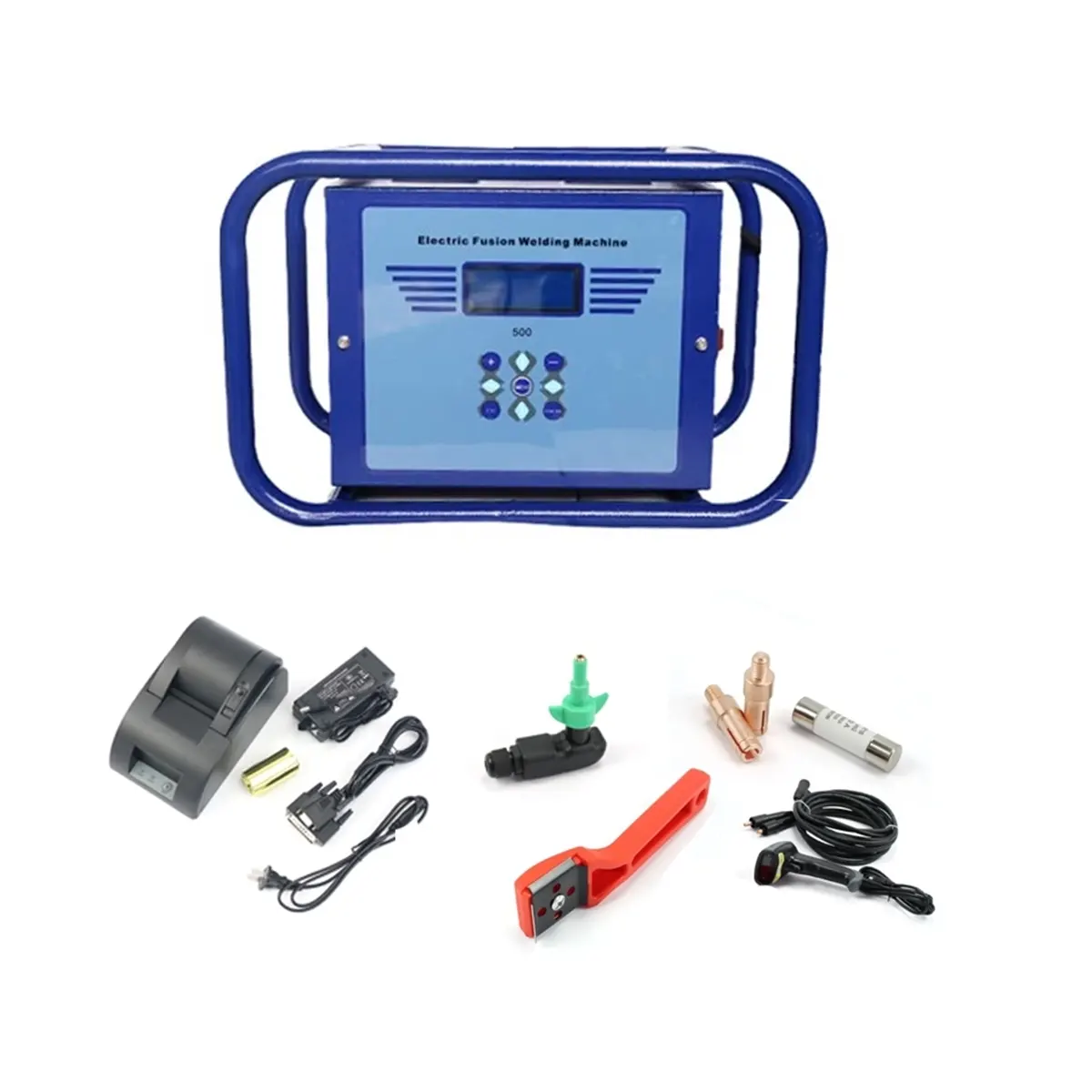
Key Features to Look For in HDPE Electrofusion Welding Machines
Digital control with programmable welding profiles ensures that each joint follows exact temperature and time curves — critical when working with varying pipe diameters or different HDPE grades common in Argentina’s supply market.
Built-in data logging and USB export make quality control simple for project managers needing traceable records for regulatory compliance or tender documentation.
Battery-backed or low-voltage options allow operation at sites with unstable mains power, a practical advantage in remote or developing regions.
Typical Technical Comparison
| Model | Pipe Diameter Range | Power | Portability | Best For |
|---|---|---|---|---|
| Small Portable Electrofusion | 20–160 mm | Battery / 230V | High | Local installers, service repairs |
| Medium Capacity Unit | 160–630 mm | 230V / Generator | Medium | Municipal water, irrigation systems |
| High-Capacity Electrofusion | >630 mm | Three-phase / Industrial | Low | Large-diameter transmission pipelines |
Installation Tips for Argentine Conditions
Verify material compatibility: confirm pipe SDR and PE grade before welding — mismatches can compromise joint strength.
Account for temperature: welding parameters may need adjustment for extreme cold in southern provinces or for high ambient temperatures in northern regions; always follow the machine’s temperature compensation guidelines.
Train local teams: investing in operator training and certification reduces rework and ensures long-term pipeline reliability across municipal and private projects.
After-Sales Support and Local Logistics
Ensure spare parts availability and fast technical support to minimize downtime. For many Argentinian contractors, access to reliable service and replacement heating coils, cables, or control modules can determine project timelines — choose suppliers with clear shipping and support plans for South America.
About the manufacturer: JQ-Fusion is a professional manufacturer specializing in HDPE pipe welding machines, offering manual, hydraulic, and CNC automatic butt fusion solutions and electrofusion equipment for a wide range of pipe sizes and applications. Visit https://jq-fusionwelding.com/ for specifications and inquiries.
If you’re planning a pipeline, irrigation, or gas installation in Argentina, evaluate HDPE electrofusion machines for consistent joint integrity, ease of use in remote environments, and documented weld records. Investing in the right equipment and training will help your projects meet performance expectations and regulatory requirements.



