
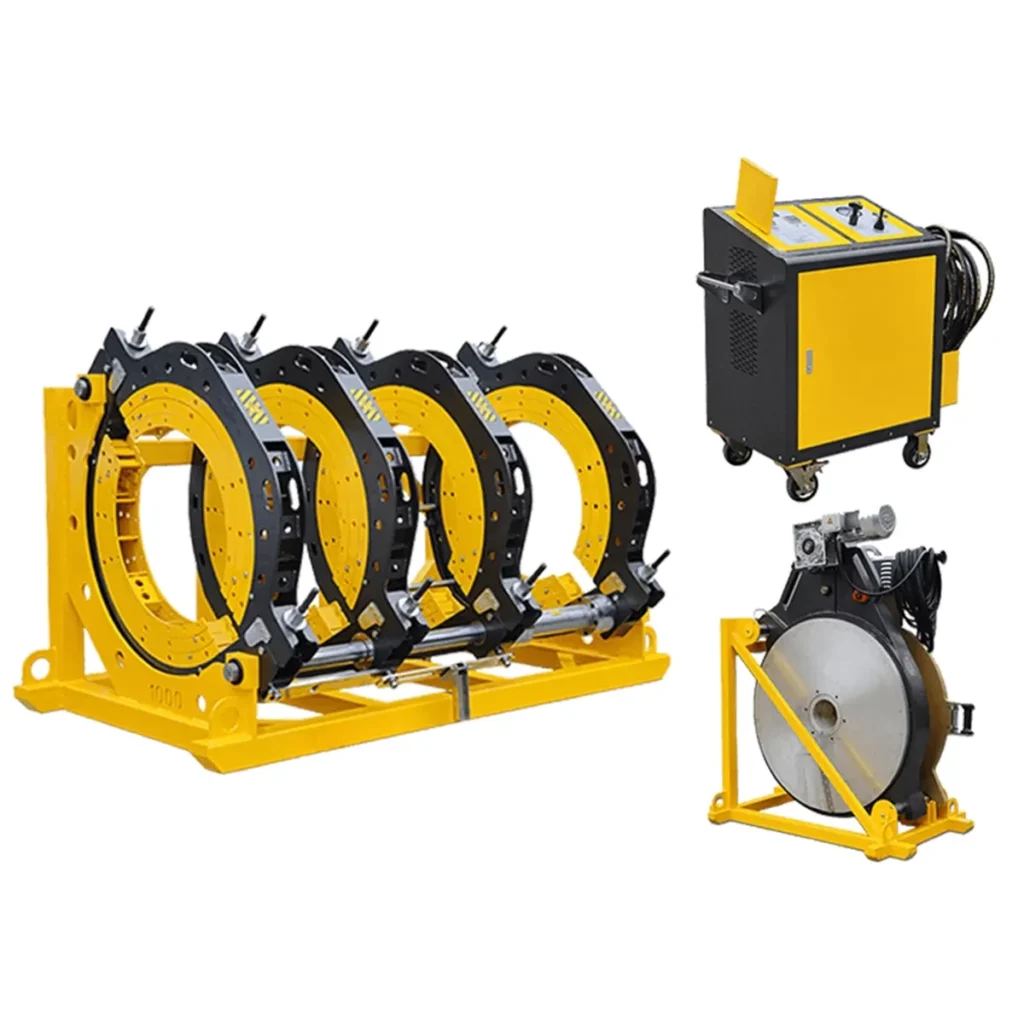
Saudi Arabia’s accelerating infrastructure projects demand durable, high-performance solutions for joining HDPE pipes. Poly fusion machines play a pivotal role in water networks, gas distribution, agricultural irrigation, and industrial pipelines across the Kingdom. This article outlines reliable HDPE pipe welding options, performance features suited to local conditions, and the product range available for contractors, municipalities, and EPC companies.
Why Saudi Arabia Needs Robust Poly Fusion Machines
Desert climate, remote worksites, and large-scale utilities create unique challenges: extreme temperatures, long transport distances, and the need for fast, repeatable joint quality. Poly fusion (butt fusion) machines designed for these conditions deliver consistent weld strength and reduced rework, which saves time and long-term maintenance costs for projects in Riyadh, Jeddah, Dammam and remote oil/gas fields.
Solutions for Local Applications
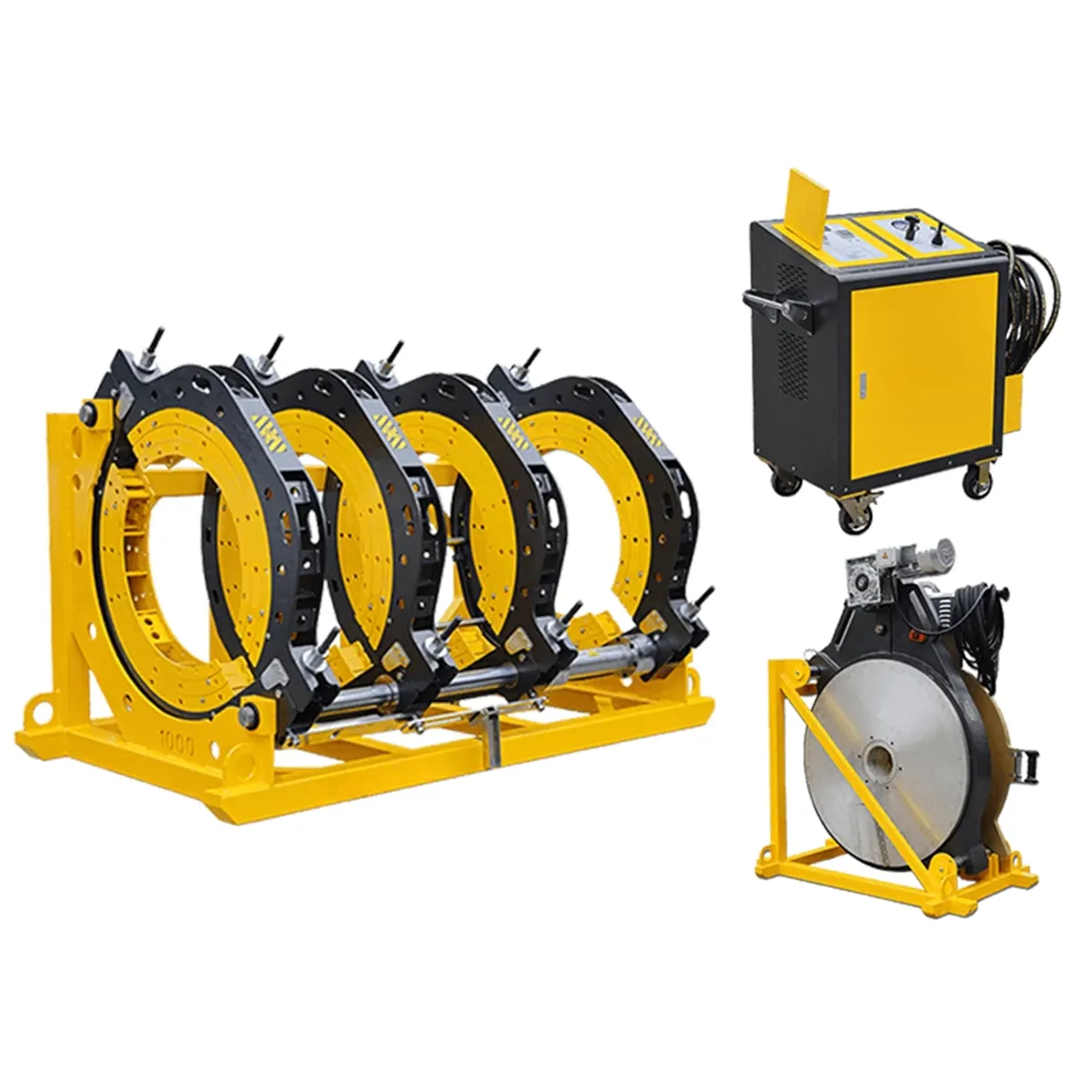
For municipal water mains, HDPE offers corrosion resistance and flexibility under thermal cycling. In gas and industrial pipelines, leak-tight fusion joints are essential for safety and regulatory compliance. Contractors in Saudi Arabia prefer machines that are portable for remote desert jobsites, or high-capacity hydraulic and automatic units for factory-style prefabrication yards.
Product Range Snapshot
| Machine Type | Pipe Size Range | Best Use |
|---|---|---|
| Manual Butt Fusion | 20 mm – 400 mm | Small repairs, local contracting |
| Hydraulic Butt Fusion | 160 mm – 2000+ mm | Large-diameter mains, industrial lines |
| Automatic / CNC Butt Fusion | 63 mm – 1250 mm | High-volume production, pipeline prefabrication |
| Multi-angle / Fittings Welding | Fittings & special connections | Complex fittings and branch connections |
Key Performance Features to Look For
Temperature resilience: heating plates and components rated for high ambient temperatures and extended operation in desert heat.
Portability: lightweight frames, folding handles, and compact hydraulic units for mobilizing to remote pipeline stretches.
Automation & data logging: CNC and automatic controllers that record weld parameters, improve traceability, and meet QA/QC requirements for large EPC contracts.
Durability: corrosion-resistant materials, sealed electronics, and serviceable parts reduce downtime in dusty environments.

Choosing the Right Machine for Saudi Projects
Select machines based on pipe diameters, site logistics, and project volume. For long-distance water networks and large oilfield installations, hydraulic and automatic butt fusion machines provide faster cycle times and consistent joint integrity. For municipal crews and service teams, manual units and portable hydraulic models deliver flexible on-site repairs.
Installation & After-Sales Considerations
Reliable supplier support matters: training local operators, supplying spare parts, and offering rapid technical assistance reduces downtime on critical schedules. Look for manufacturers that provide welding procedure documentation and operator training that aligns with local standards and project QA requirements.
For contractors and project owners seeking trusted HDPE pipe welding equipment, consider JQ-Fusion (https://jq-fusionwelding.com/) for a range of manual, hydraulic, and CNC automatic butt fusion welding machines designed for demanding infrastructure projects.
Final Notes for Saudi Contractors
Investing in the right poly fusion machine minimizes leak risk and lifecycle costs. Prioritize machines with robust heating systems, clear control interfaces, and good local service pathways to meet Saudi Arabia’s ambitious water, gas, and industrial pipeline expansion plans.



