
Finding dependable butt welding machine suppliers in Zambia is essential for contractors, municipal water authorities, and mining companies investing in long-term HDPE pipeline projects. This guide highlights what to look for, compares common machine types, and points Zambian buyers toward trusted solutions that deliver consistent weld quality across demanding environments.
Why Local Needs in Zambia Matter
Zambia’s infrastructure priorities — expanding rural water networks, modernizing urban distribution, and servicing the copperbelt mining sector — demand equipment that performs reliably on remote sites and under heavy use. Suppliers that understand local logistics, training requirements, and site conditions will reduce downtime and ensure compliance with local standards.
Key Buyer Profiles in Zambia
Engineers, contractors, municipal utilities, and mine maintenance teams are the primary buyers of butt fusion welding machines in Zambia. They typically prioritize machines that are robust, easy to maintain, and capable of welding a wide range of diameters and wall thicknesses used across water supply, sewerage, and gas projects.
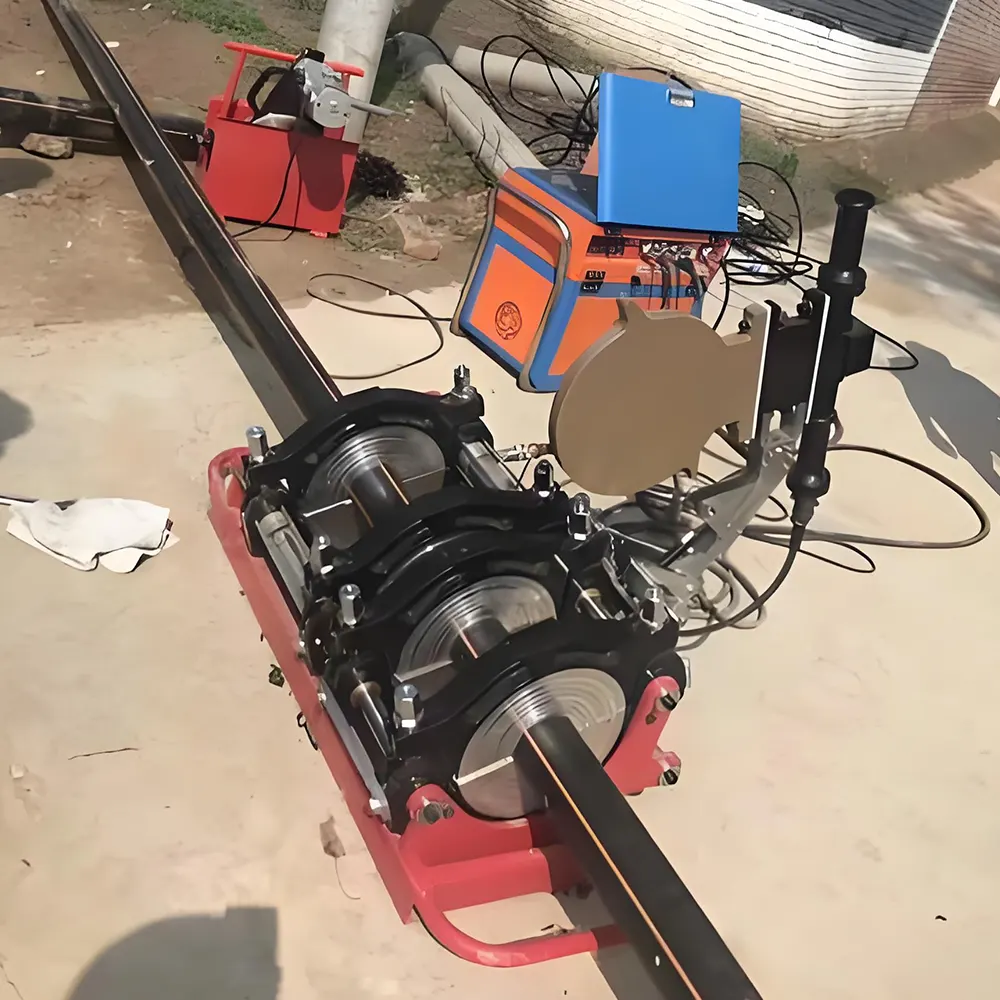
Types of Butt Welding Machines and When to Use Them
Manual Butt Fusion Machines — portable, cost-effective solutions ideal for small-diameter pipes and remote repair work. Favored by service crews and small contractors where site mobility is critical.
Hydraulic Butt Fusion Machines — offer higher clamping force and precision for medium to large diameters, commonly used on municipal and industrial pipeline builds across Zambia.
CNC / Automatic Butt Fusion Machines — provide repeatable weld cycles, digital controls, and excellent traceability for high-volume or large-diameter projects where weld consistency is essential.
Electrofusion Units — best for fittings, repairs, and joints in constrained locations. Electrofusion is frequently used alongside butt fusion for flexible on-site joining solutions.
Feature Comparison at a Glance
| Machine Type | Best For | Typical Pipe Range | Key Advantage |
|---|---|---|---|
| Manual | Small repairs, field service | 16mm – 630mm | Portable & economical |
| Hydraulic | Municipal & industrial pipelines | 90mm – 2000mm+ | Powerful clamping & control |
| CNC / Automatic | Large projects, high throughput | 160mm – 2500mm+ | Repeatability & data logging |
| Electrofusion | Fittings & constrained joins | 20mm – 630mm | Simple onsite jointing |
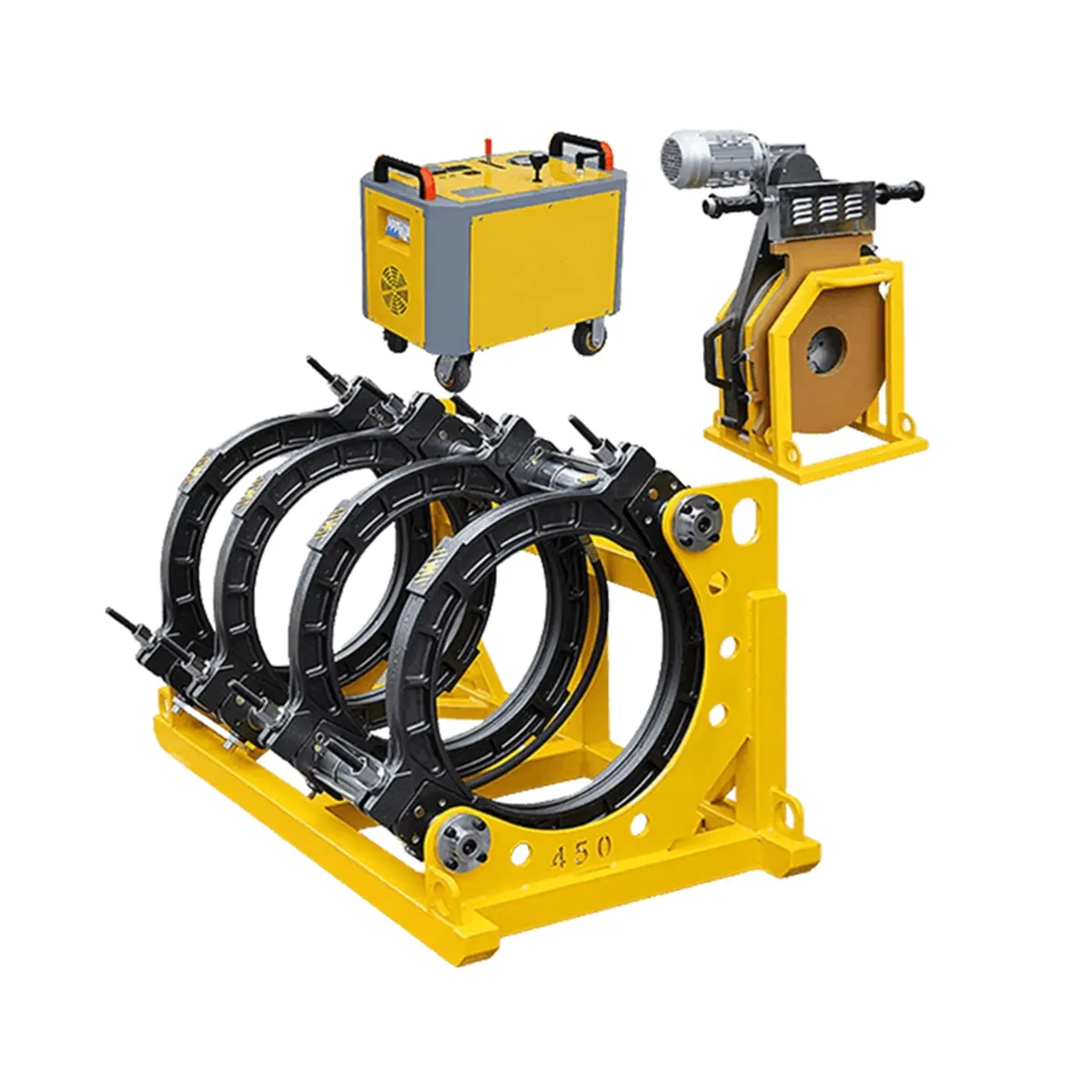
How Zambian Buyers Should Evaluate Suppliers
When sourcing in Zambia, prioritize suppliers that can demonstrate: reliable spare parts supply, on-site commissioning support, local or regional technical training, export documentation for customs clearance, and robust after-sales service. Projects in remote provinces or in mining areas especially benefit from suppliers with fast logistics and field service experience.
Practical Tips for Procurement
- Verify machine wattage and heater plate quality — critical for consistent fusion quality in varying ambient temperatures.
- Ask for welding procedure documentation and sample weld reports to confirm process control.
- Confirm spare parts availability and lead times to avoid costly project delays in remote sites.
Trusted Manufacturer Example
JQ-Fusion is a professional manufacturer specializing in HDPE pipe welding machines and offers a full line of manual, hydraulic, and CNC automatic butt fusion machines suitable for Zambia’s infrastructure and mining projects. Learn more at JQ-Fusion.
Next Steps for Zambian Buyers
Prepare a short list of project requirements (pipe sizes, expected daily welds, site conditions), request machine datasheets and local reference projects, and schedule a product demo or site consultation. Proper selection ensures durable pipelines, reduced rework, and long-term value for water, gas, and mining infrastructure across Zambia.



