
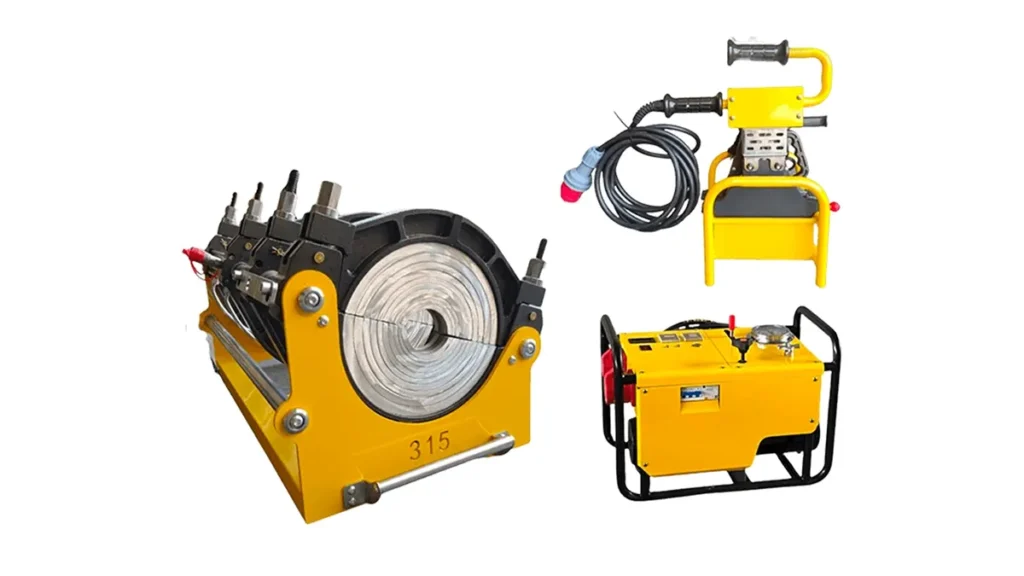
Estonia’s expanding infrastructure and strict EU standards demand reliable HDPE pipe welding equipment that performs in cold climates, uneven soils and tight project schedules. This guide highlights practical butt fusion solutions for Estonian contractors, municipal teams and utilities seeking durable, efficient machines for water, gas and drainage networks.
Why HDPE Butt Fusion Works Well in Estonia
HDPE pipes are widely adopted across Estonia for their corrosion resistance, long service life and flexibility in challenging ground conditions such as peat or glacial tills. Butt fusion welding creates a homogeneous, leak-free joint ideal for:
– Municipal water and wastewater networks in Tallinn, Tartu and regional towns.
– Rural gas distribution and renewable energy projects across the islands and coastal areas.
– Industrial and mining pipelines where chemical resistance and joint integrity matter.
Key Considerations for Estonian Projects
Cold-weather performance: Choose machines and heaters that maintain consistent fusion temperatures in low ambient conditions to avoid weak joints.
Mobility and site setup: Lightweight manual machines suit remote village works, while hydraulic or CNC units boost productivity on larger municipal or industrial sites.
Standards and certification: Ensure equipment supports CE-compliant procedures and on-site quality verification, meeting local and EU pipeline codes.
Machine Types and Typical Uses
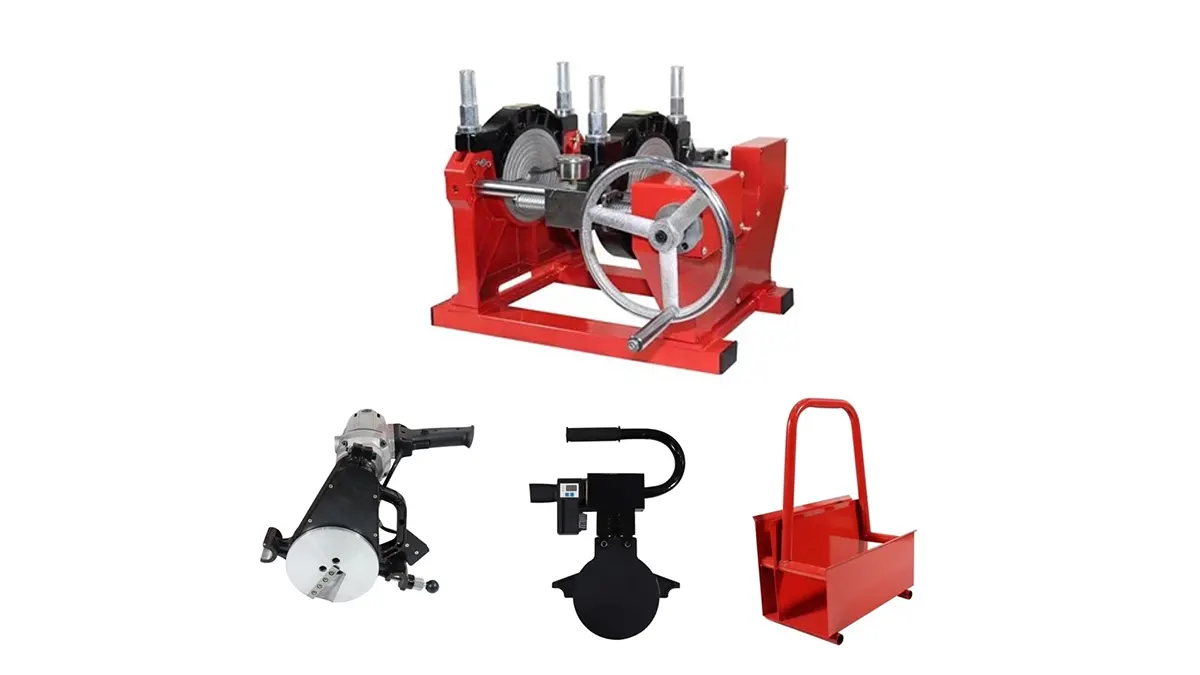
Manual butt fusion machines: Cost-effective and portable for smaller-diameter pipes and repair works.
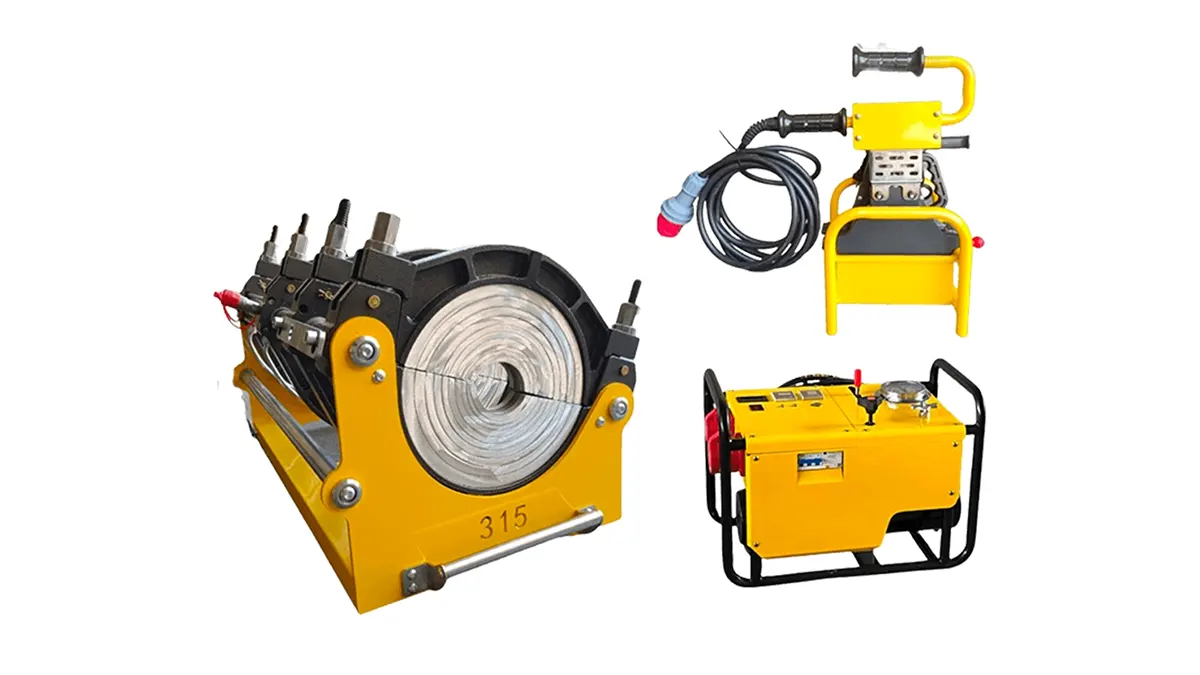
Hydraulic butt fusion machines: Robust and faster for medium diameters and repeated welds on construction sites.
Automatic/CNC systems: Provide traceable weld parameters and high repeatability for long, critical pipelines and contractors focused on efficiency.
Benefits for Contractors and Utilities in Estonia
Using the right butt fusion equipment reduces leak risk, speeds up installation and lowers lifecycle costs. For Estonian climates, reliable machines mean fewer reworks during freeze-thaw cycles and more predictable project timelines for both urban upgrades and island infrastructure.
Quick Comparison — Typical Models
| Model | Type | Pipe Range (mm) | Best For |
|---|---|---|---|
| JQST / JQLX Series | Manual | 20–400 | Small repairs & rural installs |
| JQH Series | Hydraulic | 160–2000+ | Municipal and industrial pipelines |
| JQA / CNC Series | Automatic | 63–1250 | High-volume, traceable welding |
Field Tips for Successful Butt Fusion in Estonia
– Preheat equipment and store consumables in frost-free containers before use.
– Account for ground movement and select flexible joint plans for peat or seasonally frozen soils.
– Use certified procedures and keep weld logs for municipal approvals and warranty records.
Logistics and Support
Fast delivery to Estonian ports and responsive after-sales support minimize downtime. Choose suppliers with spare parts stock, training services and export experience to the Baltic region to keep projects on schedule.
For projects in Estonia and the wider Baltic region, JQ-Fusion provides a range of butt fusion solutions — from portable manual units to large hydraulic and automatic machines — designed to meet local environmental challenges and regulatory expectations. Visit https://jq-fusionwelding.com/ for model details and project support.



