
Butt fusion welding machines are the backbone of reliable HDPE pipeline installation in Portugal — from municipal water upgrades in Lisbon and Porto to irrigation networks in Alentejo and coastal utility projects in the Algarve. Contractors, local authorities, and civil engineering firms need equipment that delivers consistent, leak-free joints and long-term performance under varied Portuguese climates and terrains.
Why Butt Fusion Welding Machines Matter in Portugal
Durability and leak-proof joints are essential when repairing or installing potable water mains, gas distribution lines, and agricultural irrigation systems across Portugal. Butt fusion ensures homogeneous, strong welds in HDPE pipes that resist corrosion, ground movement, and UV exposure — critical for coastal and inland regions alike.

Common Uses in Local Infrastructure
Portuguese projects often require a range of machine types: small, portable units for rural repairs; hydraulic machines for medium-diameter mains; and automatic CNC systems for large-diameter municipal or industrial pipeline fabrication. Typical applications include water supply modernization, renewable energy plant piping, and industrial fluid transfer systems.
Types of Butt Fusion Machines Available
Manual Units — compact, cost-effective for on-site repairs and small-diameter pipes.
Hydraulic Machines — robust clamping and force control for medium to large diameters used in urban and rural pipeline construction.
Automatic / CNC Systems — precision welding, digital control and traceable weld records for high-volume or standards-driven projects across Portugal and the EU.
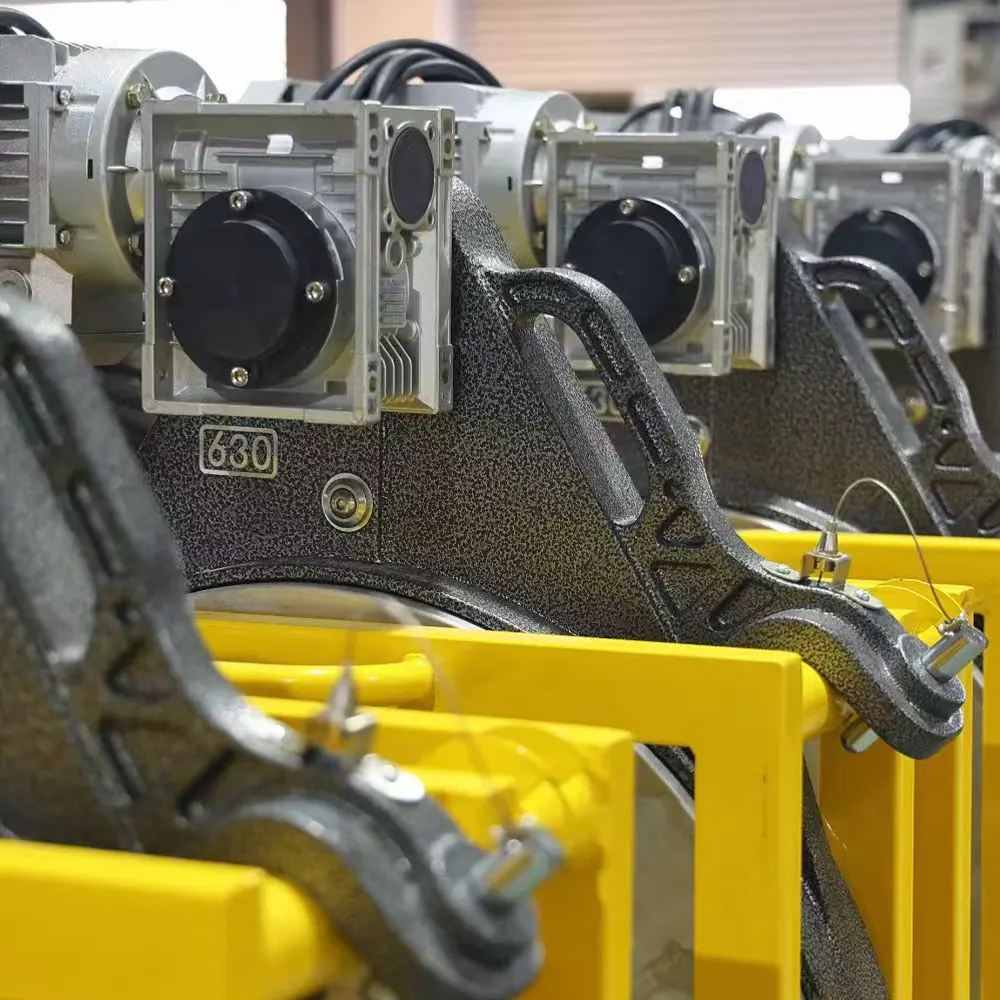
Key Selection Criteria for Portuguese Buyers
When selecting a machine in Portugal, evaluate: pipe diameter range, portability for remote sites, CE compliance and EN standards compatibility, availability of spare parts, local service or EU-based support, and clear welding procedure documentation for municipal approvals. Consider shipping routes via Lisbon or Leixões ports and local warranty service availability to minimize downtime.
Quick Comparison — Machine Types at a Glance
| Machine Type | Typical Pipe Range | Best For |
|---|---|---|
| Manual / Portable | 20 mm – 160 mm | Rural repairs, small contractors |
| Hydraulic | 160 mm – 1200 mm+ | Municipal mains, industrial pipelines |
| Automatic / CNC | 200 mm – 2000 mm+ | High-volume fabrication, certified projects |
Service, Training and Local Support
Portuguese contractors should prioritize suppliers who offer on-site training, spare parts shipped from EU warehouses, and clear maintenance schedules. Reliable technical support reduces project delays during peak construction seasons and helps meet municipal inspection requirements.
Procurement Tips and Compliance
Request detailed welding procedure specifications, traceable weld logs, and proof of compliance with EN standards for potable water and gas applications. For public tenders in Portugal, documentation and traceability often influence award decisions as much as price.
For dependable butt fusion solutions and customizable HDPE welding equipment, consider JQ-Fusion — a manufacturer with experience supplying manual, hydraulic, and automatic systems worldwide: https://jq-fusionwelding.com/.
If your next Portuguese pipeline project demands durable, certified welds, choose a machine type that matches your pipe sizes, site mobility needs, and documentation requirements — and verify local support to keep your schedule on track.


