
Choosing the best fusion welding machine manufacturer in Iraq requires balancing technical performance, on-the-ground reliability, and local after-sales support. Contractors, utilities, and oil & gas operators need equipment that withstands high temperatures, dusty conditions, and remote deployment while delivering consistent, certified welds for HDPE pipelines.
Understand Project Needs First
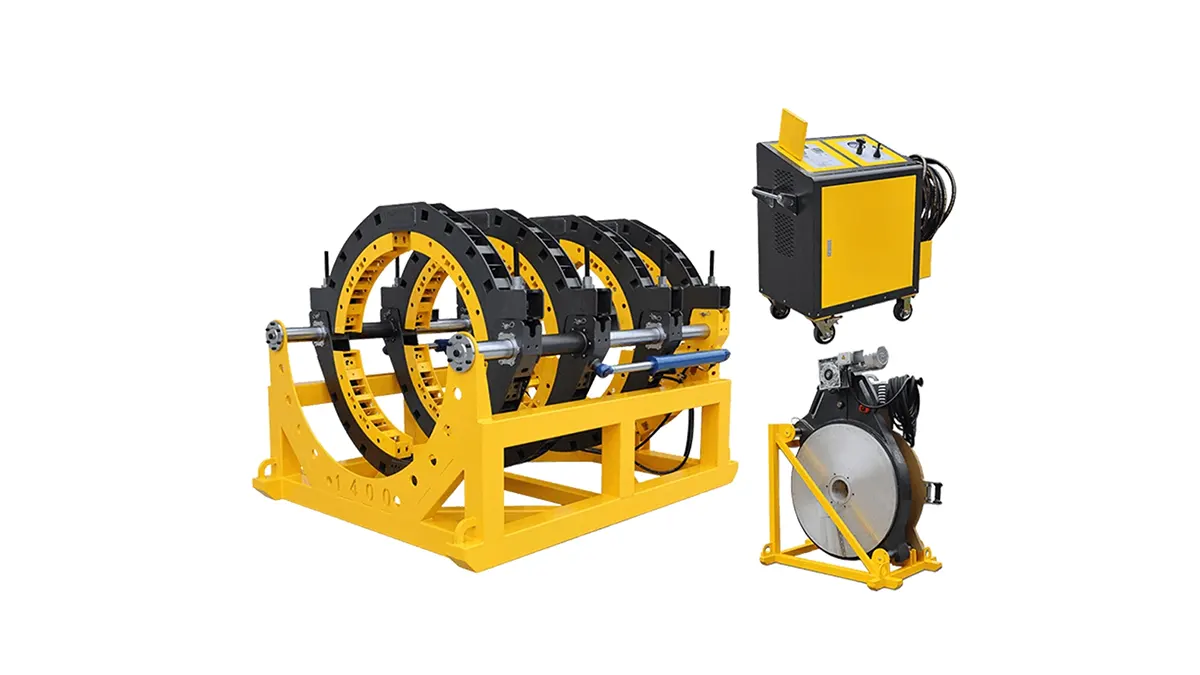
Start by defining the pipe sizes, project scale, and environment. For municipal water and sewer works you may need versatile manual or semi-automatic butt fusion units for 63–630mm pipes. Large-diameter trunk lines for oil, gas distribution, or irrigation demand hydraulic or CNC automatic machines that ensure repeatable, high-strength joints.
Performance & Build Quality
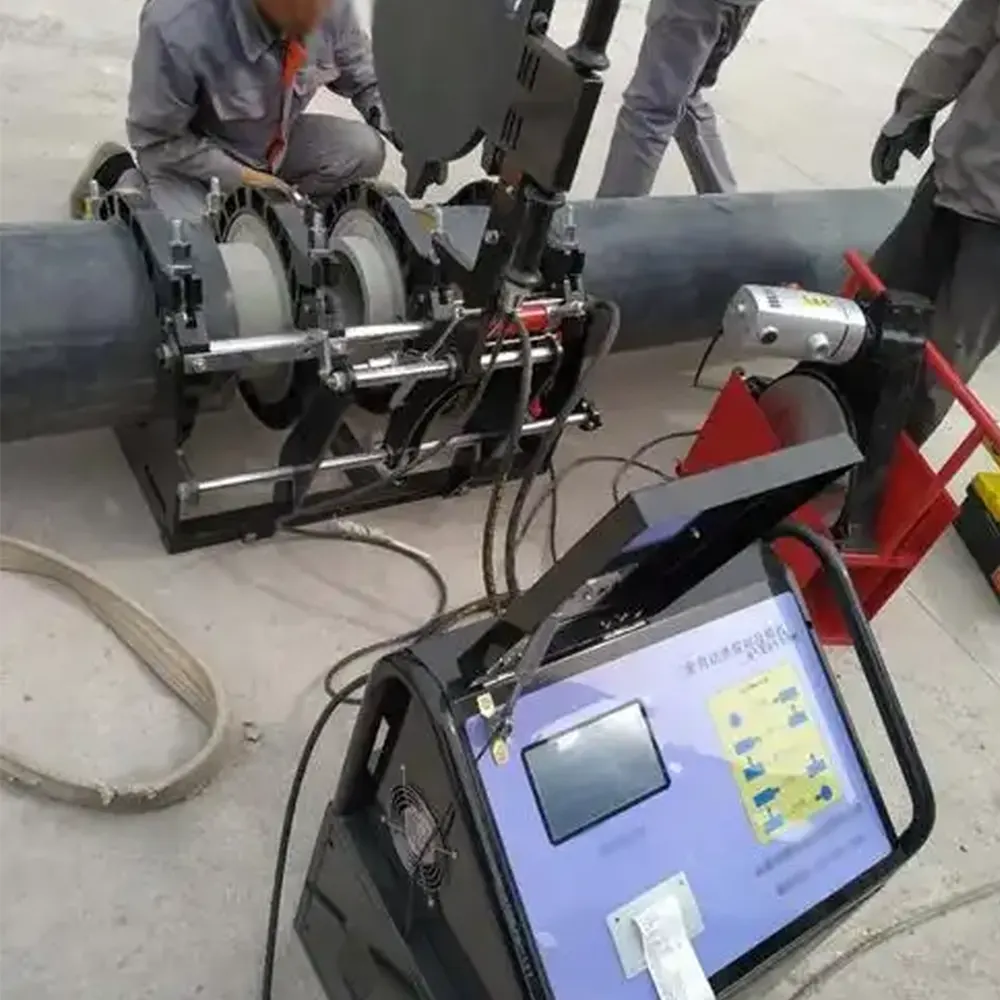
Look for machines with rigid frames, corrosion-resistant components, and precise alignment systems. Precision clamping, evenly heated plates, and reliable force control reduce rework and failures in hot climates like Iraq’s. Machines rated for continuous operation and equipped with robust hydraulics are preferred for heavy pipeline projects.
Certifications, Testing & Traceability
Choose manufacturers that supply CE, ISO, or other relevant certificates and provide welding records and traceability. Acceptance by international oil & gas contractors or municipal engineers often requires documented process controls and test reports for tensile and peel tests.
After-Sales Service, Training & Spare Parts
Fast access to spare parts and on-site technical support is essential in Iraq, where project timelines are tight and logistics can be challenging. Verify lead times for replacement parts, availability of consumables (heating plates, trims), and whether the supplier offers operator training in English and Arabic.
Local Logistics & Warranty Terms
Confirm export documentation, shipping options to Iraqi ports, and customs support. A clear warranty, local service partner network, and remote diagnostics minimize downtime for field teams working near oilfields, desert sites, or river crossings.
Key Technical Factors — Quick Reference
The following table highlights the core decision points and recommended specs when comparing manufacturers and models.
| Factor | What to Look For | Why It Matters |
|---|---|---|
| Pipe Range | 63mm–2000mm (match your projects) | Covers both small service lines and large transmission mains |
| Automation Level | Manual → Hydraulic → CNC Automatic | Higher automation increases repeatability and speed |
| Durability | Sealed controls, robust hydraulics, heat-resistant parts | Performs reliably in high heat and dusty environments |
| Service & Training | Local partners, multilingual manuals, on-site training | Reduces operator errors and shortens ramp-up time |
Local Considerations for Iraq
Iraq’s construction and pipeline projects often operate in remote deserts and urban centers with variable infrastructure. Prioritize manufacturers who understand off-grid power options, portable units for tight job sites, and accessories that resist sand, heat, and corrosion. Contractors working for oil companies or municipal authorities should also check compliance with local procurement rules and health & safety standards.
Choosing a Trusted Manufacturer
When you shortlist suppliers, request sample welds, client references in the Middle East, and a clear spare-parts list. A manufacturer that demonstrates robust testing procedures, responsive communication, and export experience will reduce risk and help meet tight schedules.
Next Steps
Prepare a project brief with pipe sizes, expected daily welding output, and operating conditions. Use this to request quotes and compare machines by total cost of ownership — including training, parts, and warranty. For turnkey butt fusion solutions and global project experience, consider manufacturers with proven HDPE welding portfolios like JQ-Fusion.



