
Egypt’s infrastructure expansion and growing demand for reliable water and gas distribution make choosing the right HDPE pipe jointing machine a critical decision. Contractors, utilities, and municipal planners across Cairo, Alexandria, Suez, and remote desert projects need robust equipment that performs reliably under hot climates, dusty conditions, and sometimes limited site power. This guide highlights key machine types, practical buying tips for the Egyptian market, and how advanced butt fusion solutions deliver leak-free pipelines with long service life.
Why HDPE Butt Fusion Is the Preferred Method in Egypt
Butt fusion welding is widely adopted for HDPE pipelines because it creates joints with uniform strength and excellent resistance to corrosion and soil chemicals — features especially important for Egypt’s varied terrain from Nile delta soils to coastal salt exposure. For large municipal water mains, gas distribution networks, and industrial mining pipelines, butt fusion offers consistent, low-maintenance performance that reduces lifecycle costs.
Common Applications in Egypt
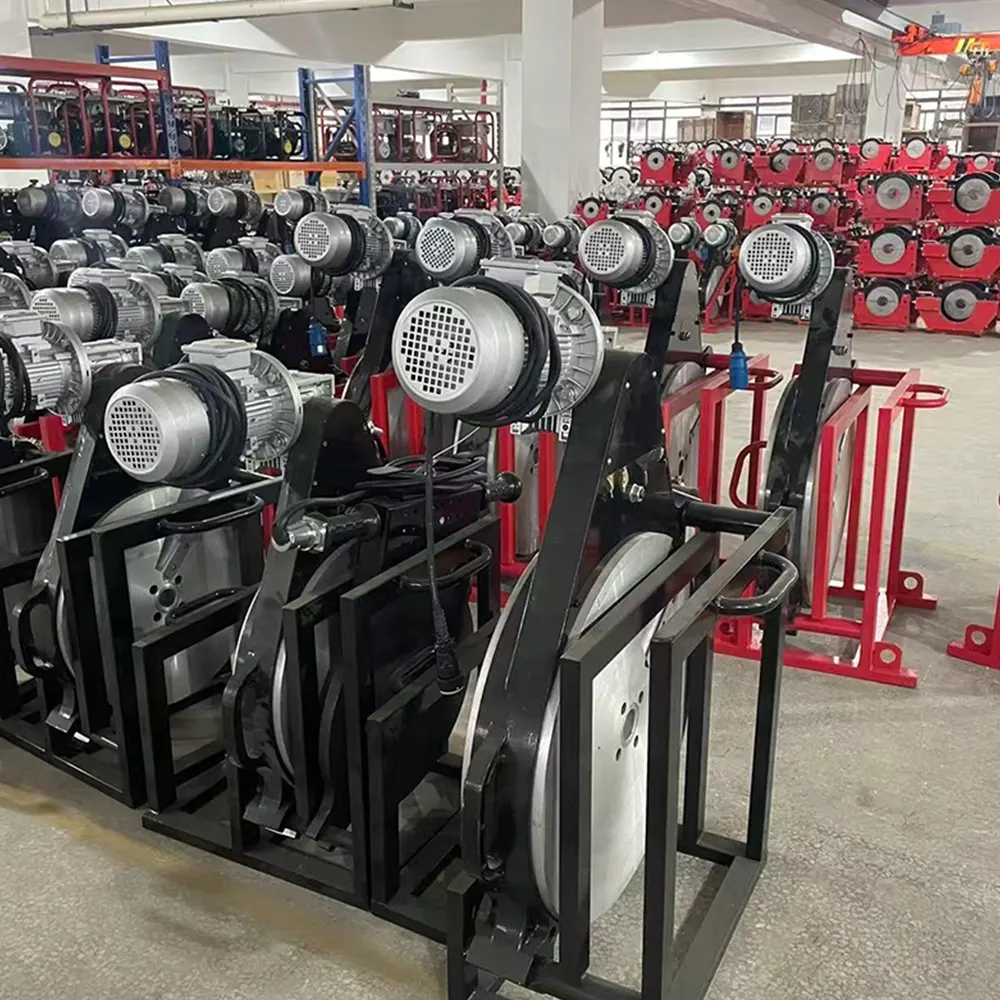
Typical uses include municipal water supply, irrigation canals fed from Nile distribution systems, natural gas distribution for urban expansion, industrial process lines, and long-distance trunk lines traversing desert regions. Project teams benefit from machines that are portable for remote site work yet precise enough for high-volume, repeated welds in metropolitan projects.
Types of HDPE Pipe Jointing Machines
Egyptian buyers typically compare three main categories: manual, hydraulic, and CNC automatic butt fusion machines. Each type targets different project sizes and operator skill levels.
| Machine Type | Key Features | Recommended For |
|---|---|---|
| Manual Butt Fusion | Lightweight, portable, low cost, easy maintenance | Small jobs, rural irrigation, repair works |
| Hydraulic Butt Fusion | Higher clamping force, stable alignment, suited for medium to large diameters | Municipal mains, industrial plants |
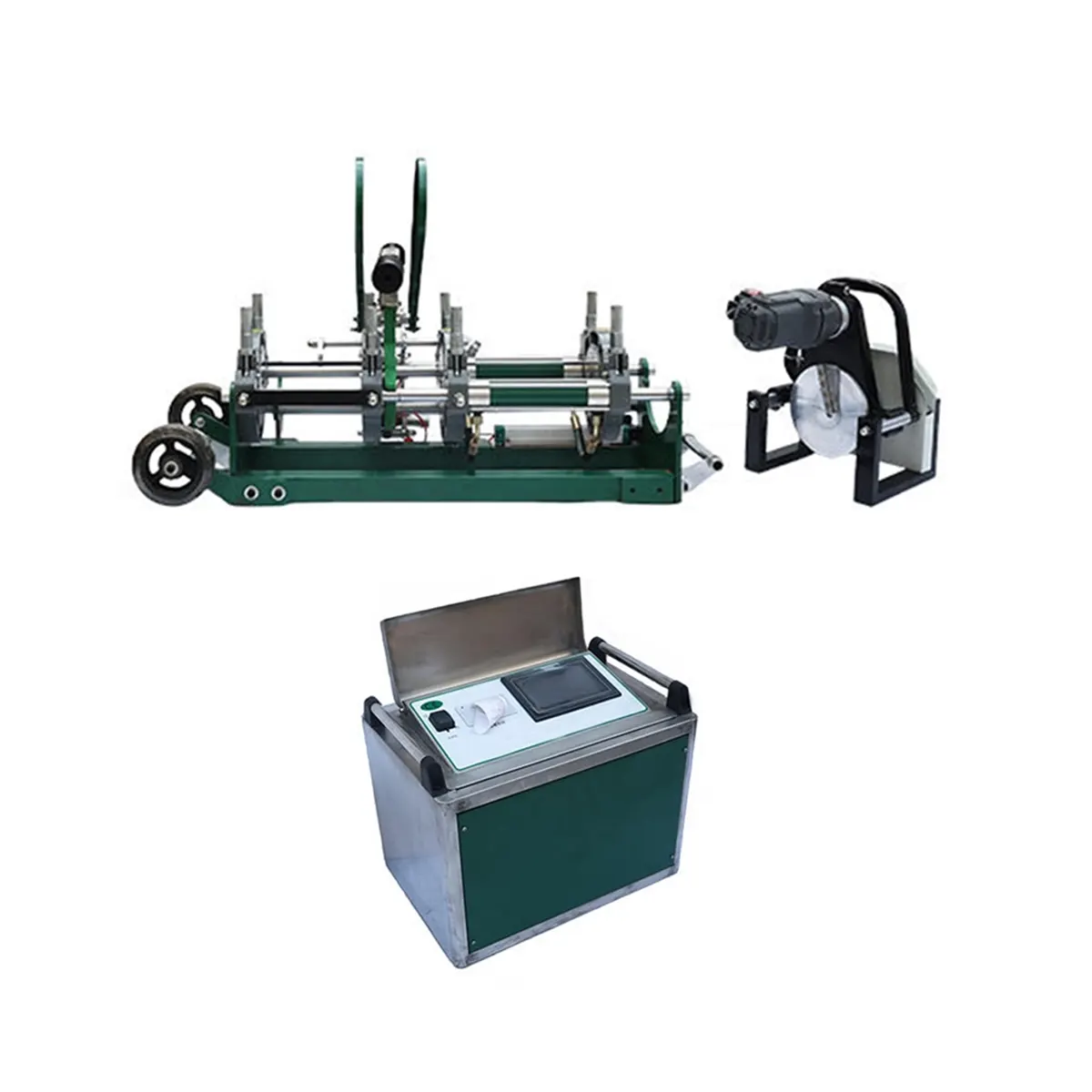
| CNC Automatic Butt Fusion | Automated control, precise heating/cooling cycles, digital records | Large projects, high-throughput fabrication yards |
Critical Features for Egyptian Conditions
When selecting equipment for Egyptian sites, prioritize machines that offer dust-resistant controls, robust frames for handling uneven terrain, and compatibility with generator power for desert operations. Port access (Alexandria, Damietta, or Suez) simplifies spare part logistics, so check supplier shipping options and stock availability.
Quality, Training, and After-Sales Support
Investing in a machine is also investing in consistent weld quality. Choose equipment from manufacturers that provide clear operating manuals, operator training, and local support pathways. For Egyptian projects, timely access to replacements and technical guidance minimizes downtime — especially important during seasonal irrigation campaigns or peak construction periods in cities.
Cost-Benefit Considerations
While automatic systems have higher upfront costs, they reduce human error and increase throughput for large-scale projects. Manual machines are cost-effective for smaller teams and maintenance crews. Consider total cost of ownership: maintenance intervals, expected welds per day, and the availability of trained operators.
Selecting the Right Machine: Quick Checklist
– Match machine capacity to pipe diameter ranges used in your projects.
– Verify power requirements and the ability to operate via generator.
– Confirm spare part delivery times to Egyptian ports.
– Request demonstration units or video welding logs to evaluate weld quality.
– Ensure supplier offers operator training and clear documentation.
Supplier Mention
JQ-Fusion offers a range of manual, hydraulic, and CNC automatic butt fusion machines suitable for Egyptian infrastructure needs — visit https://jq-fusionwelding.com/ to explore models and request quotes.
Closing Note for Project Engineers and Buyers
For contractors and engineers in Egypt, the right HDPE pipe jointing machine delivers durable, leak-free pipelines under challenging environments. Prioritize machines with proven field performance, reliable after-sales support, and the operational features that match your project scale. With careful selection you can achieve faster installations, reduced rework, and long-term network reliability.



