
Estonia’s expanding infrastructure projects—from municipal water networks in Tallinn to rural gas distribution in Võru—need dependable pipe fusion equipment that performs in cold, coastal and remote site conditions. Contractors, utilities and pipeline installers across the Baltic region look for fusion welding machines that combine durability, precision and easy serviceability.
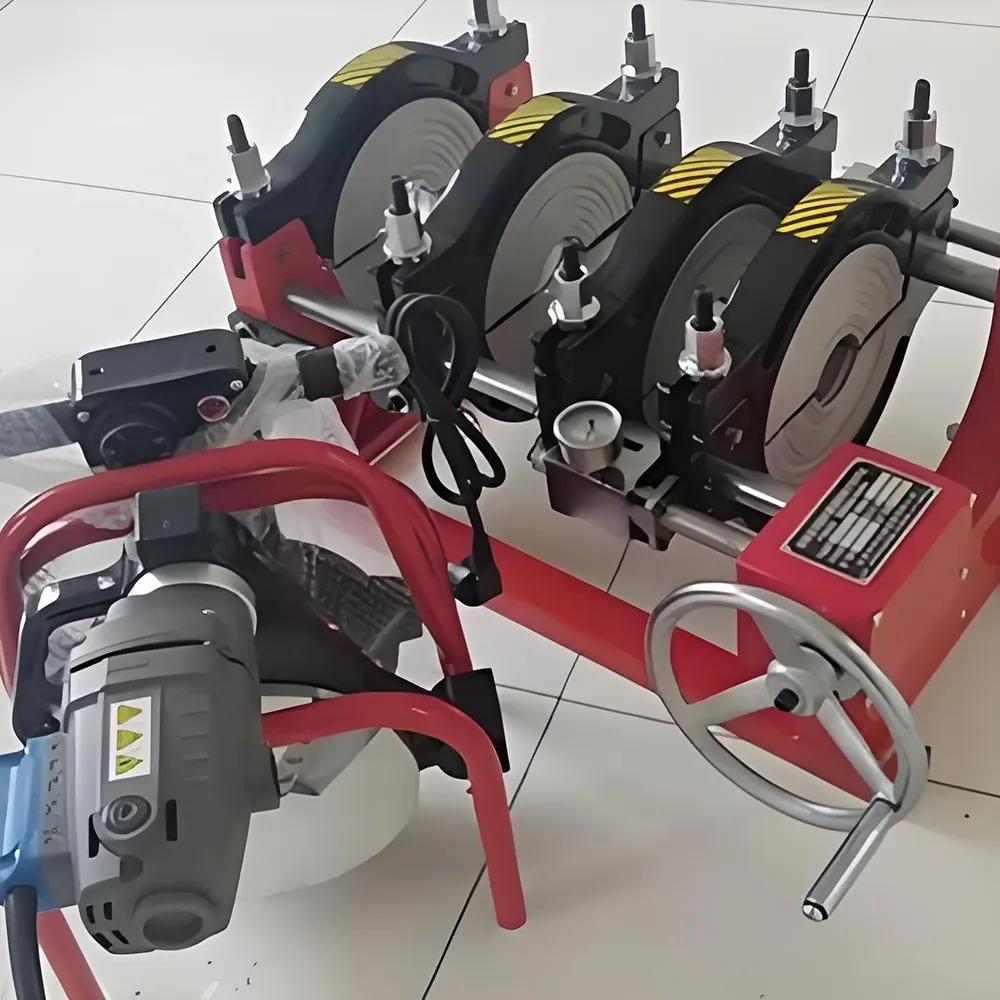
Why choose a specialist fusion welding machine supplier for Estonia projects
Reliability in challenging conditions: Estonia’s climate and terrain demand machines that can withstand low temperatures, frequent transport and frequent on-site setup. High-quality butt fusion machines reduce rework and keep project schedules on track.
Efficiency for small towns and large utilities: From repair crews in small municipalities to contractors executing long-distance pipeline installs across the Baltics, the right fusion equipment improves joint quality and speeds installation.
Product range suited to Estonian needs
- Manual butt fusion machines — ideal for local repair teams and tight-access sites.
- Hydraulic butt fusion machines — for medium to large diameter pipelines, offering consistent pressure control.
- CNC automatic butt fusion machines — precise, programmable cycles for high-volume projects and contractors targeting EU-standard deliveries.
- Electrofusion equipment and multi-angle fittings machines — useful for complex network junctions and prefabricated fittings common in urban upgrades.
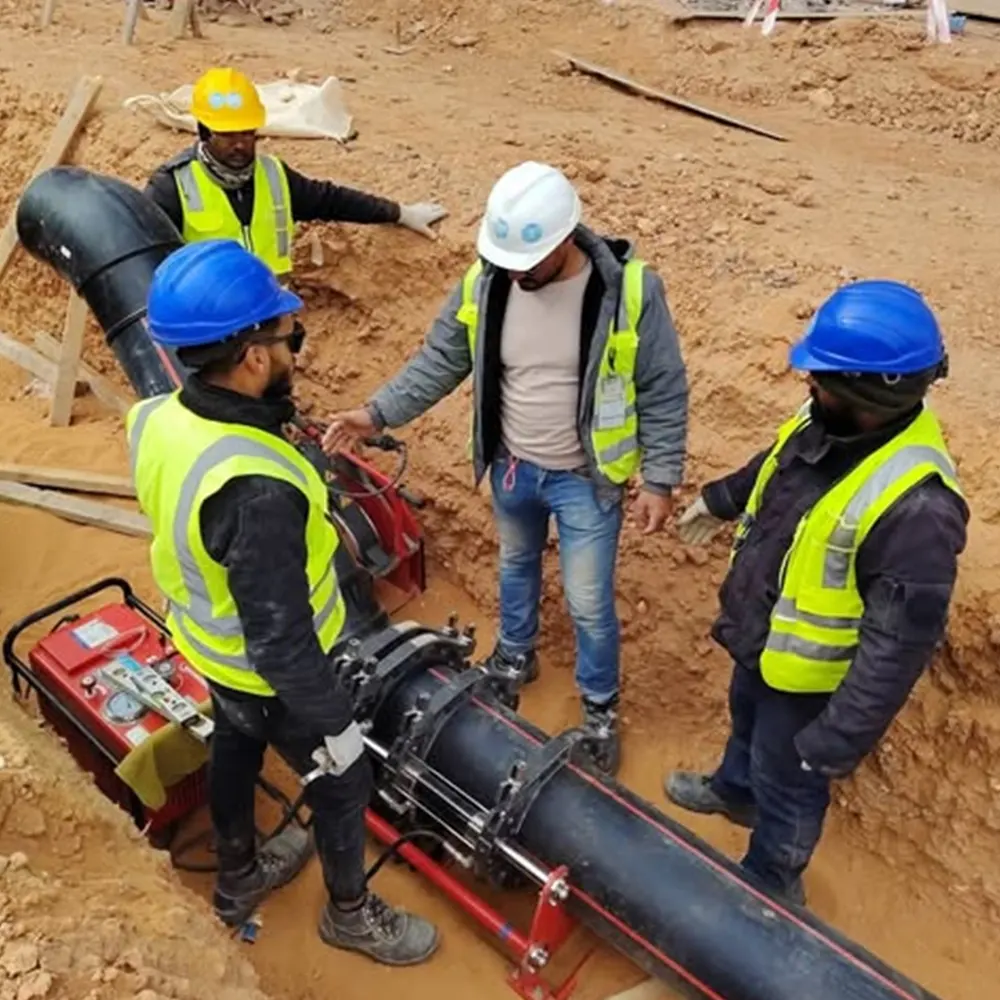
Technical advantages to prioritize
- Consistent heating and controlled cooling: Ensures strong HDPE joints that meet pressure and leakage standards.
- Accurate alignment and clamping: Reduces malformed joints on uneven surfaces often encountered during Baltic pipeline excavations.
- User-friendly controls and diagnostics: Quicker operator training and fewer on-site errors—important for crews using seasonal labor.
- Portable and rugged frames: Easier transport between coastal, rural and urban sites across Estonia.
Comparison table — common models and suitability
| Model Type | Typical Pipe Range | Best For | Lead Time |
|---|---|---|---|
| Manual Butt Fusion | 20–315 mm | Repairs, small towns | Short (stocked) |
| Hydraulic Butt Fusion | 160–1600 mm | Municipal mains, large projects | Medium |
| CNC Automatic Butt Fusion | 63–1250 mm | Contractors, high-volume installs | Medium–Long |
| Electrofusion Units | Fittings up to 630 mm | Service connections, tight spaces | Short |
Compliance, support and local considerations
Estonian projects typically require equipment and documentation that align with EU regulations and CE marking. Prioritize suppliers that provide clear calibration records, training packages and spare parts distribution within the EU to minimize downtime. For northern climates, cold-start procedures and hydraulic oil grades matter—choose machines and maintenance plans that address low-temperature operation.
How to select the right fusion welding machine for your team
- Assess project scale: Small municipal jobs need portability; distribution network builds need automated consistency.
- Check service network: Local or regional support reduces lead times for repairs and spare parts.
- Verify documentation: Welding procedures, traceable calibration and QA logs are mandatory for many EU-funded contracts.
- Plan for operator training: Machines with intuitive interfaces shorten training time for seasonal crews common in Estonia.
For a reliable source of HDPE pipe welding equipment that serves Baltic and EU infrastructure projects, consider contacting JQ-Fusion at https://jq-fusionwelding.com/ for specifications, CE documentation and regional supply options.



