
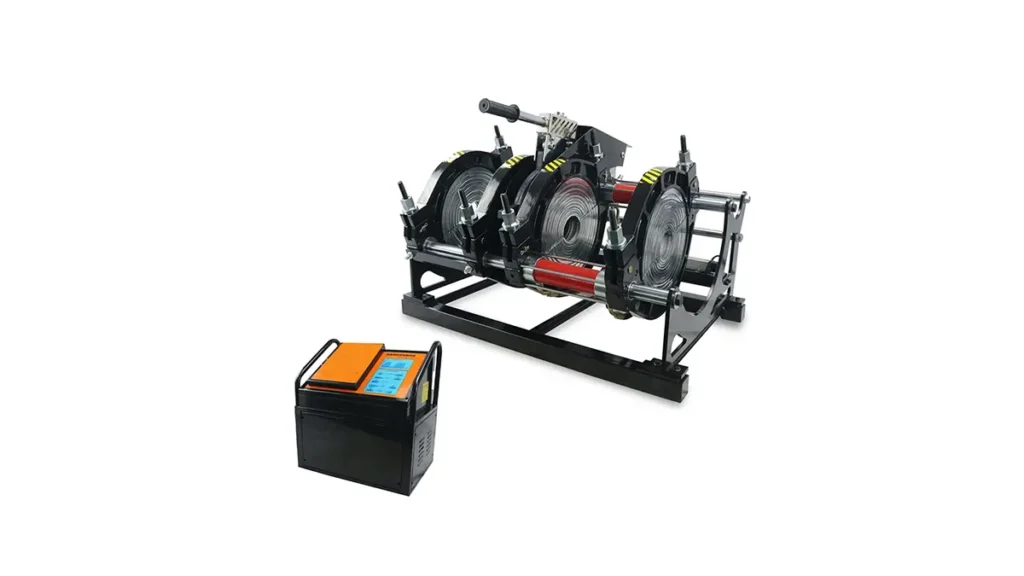
As the United States invests in resilient water, gas, and industrial pipeline systems, demand for reliable HDPE pipe welding equipment is rising. Contractors, utility crews, and municipal engineers are choosing butt fusion machines for durable, leak-free joints that meet strict US standards and deliver long-term performance in a wide range of climates and jobsite conditions.
Why HDPE Butt Fusion Is Preferred in the US Market
HDPE (high-density polyethylene) piping systems are favored across the US for their corrosion resistance, flexibility, and long service life. Butt fusion creates a homogeneous joint with strength equal to or greater than the pipe material, making it ideal for:
-
Municipal water distribution — long-term durability and low maintenance.
-
Gas distribution — secure, pressure-rated fusion joints.
-
Industrial and mining pipelines — rugged performance under harsh conditions.
-
Trenchless installations and directional drilling — flexibility and joint reliability.
Machine Types: Match Equipment to Project Needs
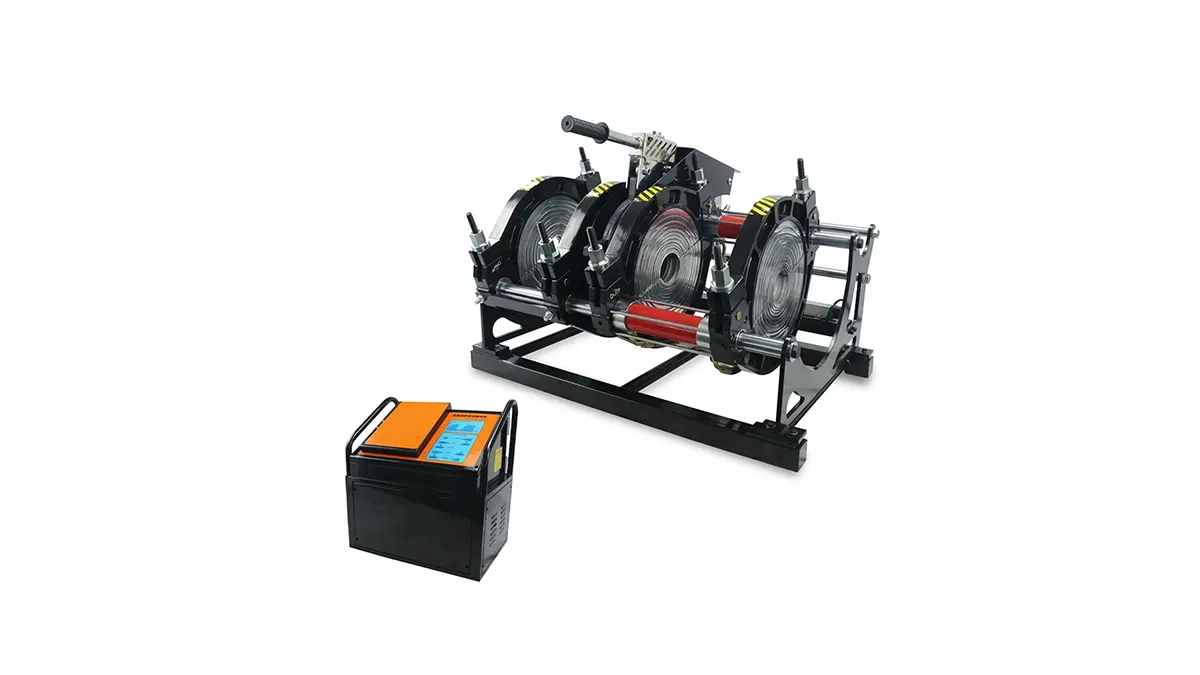
Choose the appropriate fusion machine based on pipe diameter, site accessibility, and automation needs. Typical categories include:
Manual Butt Fusion
Lightweight and portable for service crews working on small-diameter lines or remote sites. Manual units are cost-effective and simple to operate.
Hydraulic Butt Fusion
Offers greater clamping force and stability for medium to large diameters; preferred on pipeline construction where consistency and power are essential.
CNC / Automatic Butt Fusion
Ideal for high-volume or precision-required projects. Automated control ensures repeatable cycles, precise bead control, and detailed weld logs for quality assurance.
Compliance & Best Practices for US Contractors
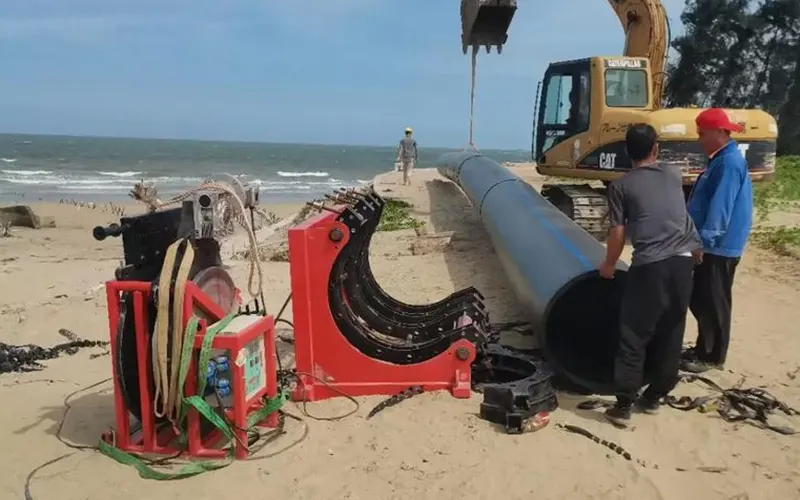
US projects often specify fusion procedures that comply with national and industry standards. Follow recognized practices such as ASTM F2620 for heat fusion and documented QA/QC to meet utility and DOT requirements. Important field practices include:
-
Pre-weld pipe preparation and cleaning to remove contaminants.
-
Strict temperature and pressure control during heating and fusion.
-
Weld documentation and traceability for acceptance by inspectors.
-
Operator training and certification to ensure safe, repeatable joints.
Quick Comparison: Typical Machine Specs
| Model Type | Pipe Range | Best For |
|---|---|---|
| Manual Frame | 16mm–315mm | Service repairs, remote jobs |
| Hydraulic Unit | 90mm–800mm | Construction, municipal work |
| Automatic/CNC | 160mm–2250mm+ | Large projects, high throughput |
Service, Training, and Local Support
US contractors value quick access to spare parts, on-site service, and operator training. Look for suppliers that provide clear maintenance guides, calibration support, and training programs for crews to maintain productivity and meet inspection standards.
Durability and On-Site Practicalities
Choose machines built for rugged US jobsite conditions: durable frames, corrosion-resistant components, and easy-to-transport designs. Consider cold-weather operation kits, trailer-mounted options for long runs, and accessories like pipe trimmers and heating plate covers to improve safety and efficiency.
Why Choose a Trusted Manufacturer
Working with an experienced manufacturer ensures access to a full product line from manual to CNC machines, backed by consistent quality control and spare parts availability. Manufactured by JQ-Fusion, these machines are engineered for reliable field performance and tailored configurations across project types.
Next Steps for US Buyers
If you’re specifying HDPE welding equipment for a municipal, utility, or industrial project, evaluate machine capacity versus your largest pipeline diameter, confirm compliance with ASTM and local standards, and plan operator training and parts inventory to reduce downtime. Selecting the right Butt Fusion solution helps secure leak-free pipelines and long-term system integrity.



