
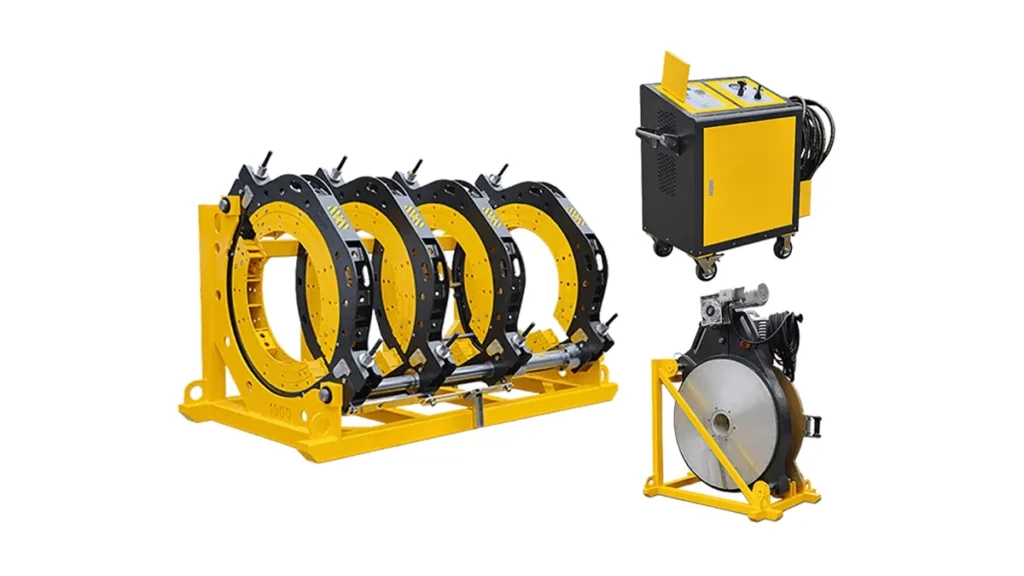
Choosing the best butt welder manufacturer for HDPE pipe projects in Serbia requires a blend of technical know-how, local logistics awareness, and careful vendor evaluation. Whether you’re a municipal waterworks team in Belgrade, a gas distribution contractor in Novi Sad, or an industrial installer servicing mining and irrigation projects across the Vojvodina plains, the right supplier can save time, reduce rework, and improve pipeline lifetime.
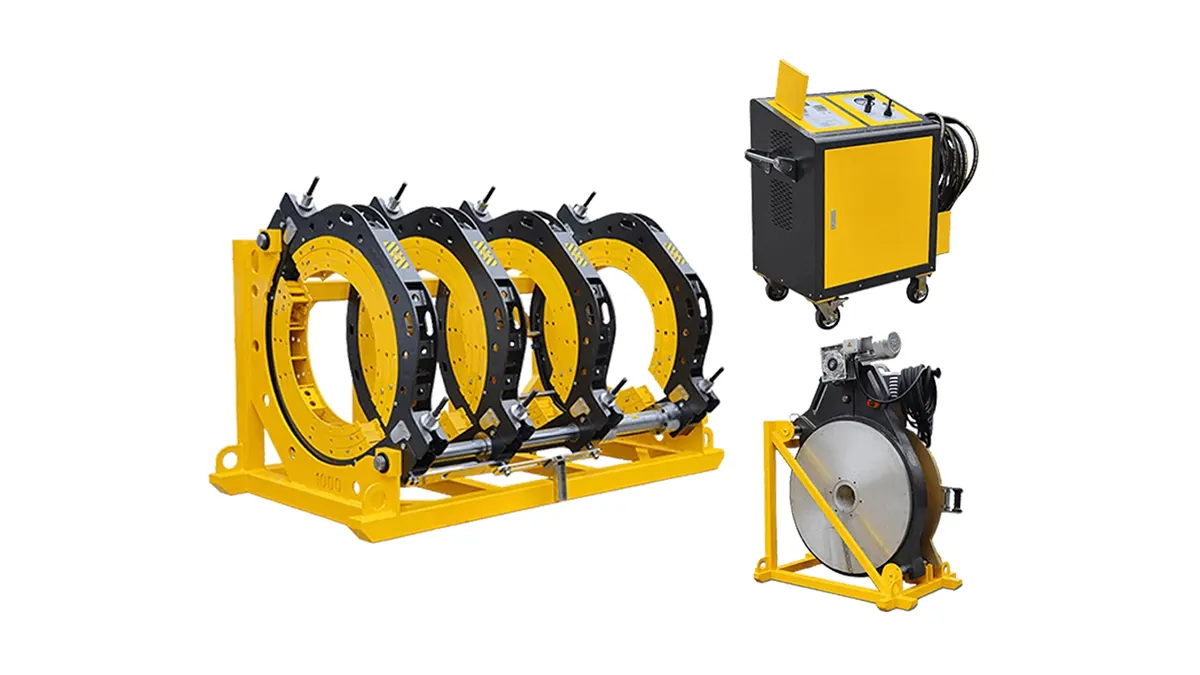
1. Define Technical Requirements First
Start by documenting the most important specs: pipe diameter range, material grade (PE80, PE100), wall thickness, required fusion standard (EN 12201 or local equivalents), working environment, and expected daily joint throughput. Projects in Serbia often combine urban trench work with remote rural installs, so portability and power source options (diesel generators, three-phase mains) matter.
What to evaluate
Pipe range compatibility: Confirm the machine covers the smallest and largest diameters you’ll handle. Automation level: Manual machines are cost-effective for low-volume jobs; automatic and CNC welders improve consistency for large infrastructure projects. Site conditions: look for robust frames, weather protection, and easy transport.
2. Manufacturer Reputation & Certifications
Verify the manufacturer’s track record with similar projects in Eastern Europe. Check for quality certifications and test / traceability documentation for heating plates and clamps. In Serbia and neighboring countries, adherence to CE marking, ISO 9001, and evidence of third-party testing (where applicable) increases confidence.
Red flags
Beware of suppliers who cannot provide clear technical sheets, welding procedure guidelines, or calibration records for heating elements and pressure systems.
3. After-Sales Support, Spare Parts & Training
Local response time is critical. Ask if the manufacturer has authorized distributors, service partners, or spare parts warehouses in Europe (or a regional agent) to reduce downtime. For Serbian crews, on-site training in Serbian or English and detailed operation manuals can accelerate safe adoption.
4. Logistics, Import & Delivery Considerations
Serbia is landlocked and commonly imports heavy machinery via ports in Croatia, Montenegro, or northern European hubs followed by road/rail transit. Confirm lead times, packaging for rail/road, and provide the manufacturer with your preferred customs/incoterms. Factor in extra time for customs clearance and local transportation to project sites outside Belgrade.
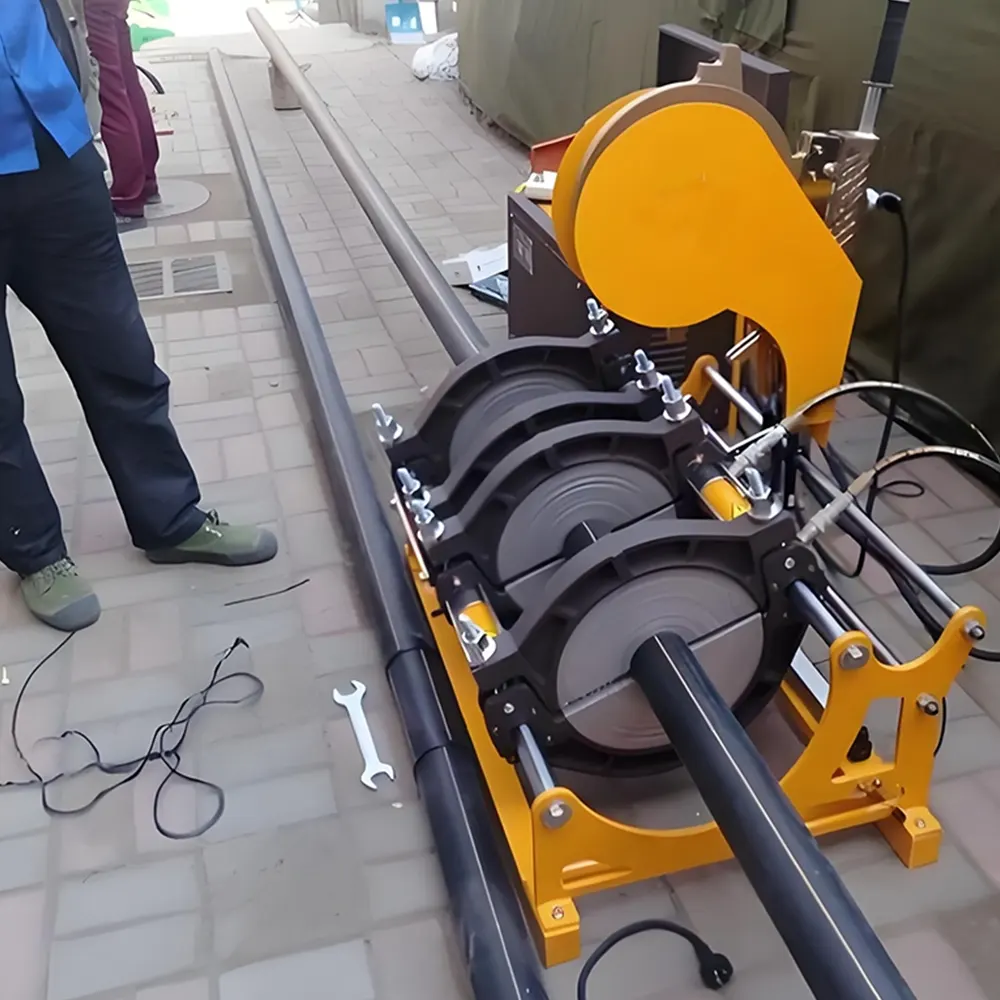
5. Compare Types: Manual vs Hydraulic vs Automatic
| Machine Type | Best For | Pros / Cons |
|---|---|---|
| Manual Butt Welder | Small jobs, tight budgets | Affordable, portable; requires skilled operators, lower repeatability. |
| Hydraulic Butt Welder | Medium to large diameters, site versatility | Stable pressure control, good for municipal projects; heavier and needs maintenance. |
| Automatic / CNC Butt Welder | High-volume, precision-critical works | Consistent weld quality, data logging; higher upfront cost but lowers long-term labor and rework. |
6. Key Questions to Ask Every Manufacturer
What warranties and spare part lead times do you offer? Can you provide welding procedure documents and calibration records? Do you offer on-site commissioning and operator training? Is there a local or regional service partner for faster support?
7. Price vs Total Value
Low purchase price can hide higher lifecycle costs. Include expected maintenance, spare parts, consumable heating plates, training, and downtime risk in your cost comparison. For municipal and utility projects in Serbia, long-term reliability and predictable support often outweigh marginal initial savings.
8. Practical Selection Checklist
Before signing, confirm these items in writing: performance specs, calibration and test records, warranty scope, spare parts availability in Europe, training schedule, and shipping/Incoterm details. If possible, request references or site visits to completed projects in the Balkans.
Final note
If you want a point of contact with proven HDPE welding experience and a broad product range, consider contacting JQ-Fusion for tailored recommendations and European logistics options: https://jq-fusionwelding.com/



