
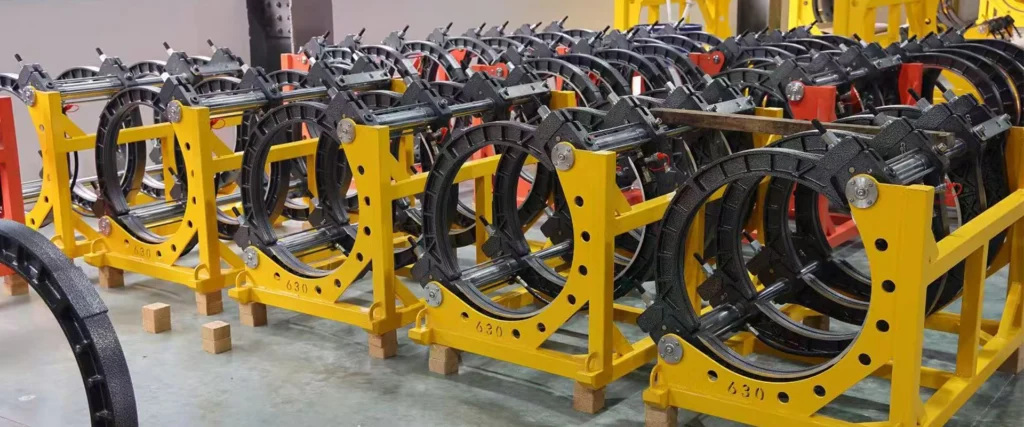
Vietnam’s rapid infrastructure growth demands reliable HDPE welding solutions for water distribution, gas networks, agriculture irrigation and industrial pipelines. Local contractors, utility engineers and municipal teams are increasingly choosing robust butt fusion and electrofusion equipment to meet long-term performance and weather-resistant installation standards.
Why High-Quality HDPE Welders Matter in Vietnam
Durability, repeatable joint strength and ease of use are essential when working across Vietnam’s varied terrains—from urban utility trenches in Hanoi to coastal and Mekong Delta projects exposed to humidity and salt. Proper welding equipment reduces leak risk, speeds commissioning and lowers lifecycle costs for pipeline networks.
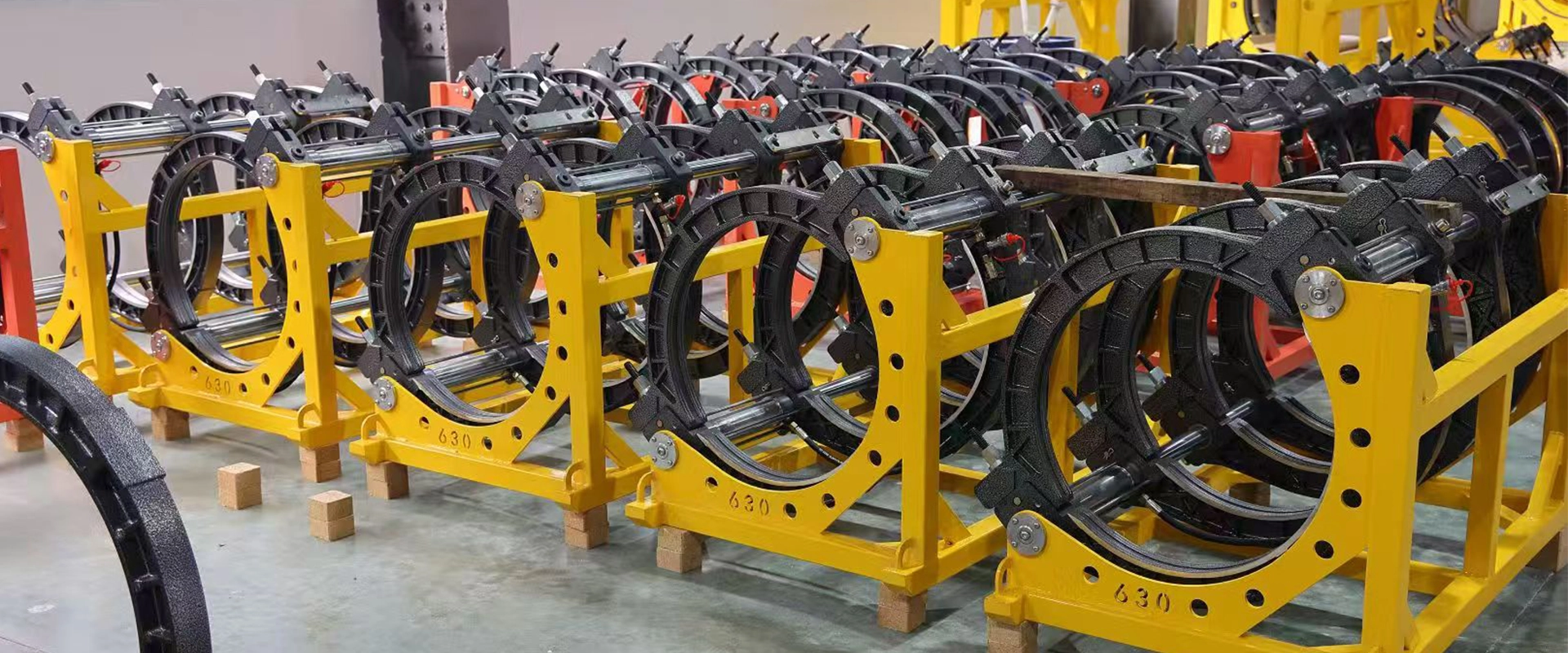
Primary Users and Applications
In Vietnam, common users include municipal water departments, gas distributors, rural irrigation contractors, mining operations and industrial plant integrators. Typical applications are potable water mains, HDPE gas distribution, wastewater outfalls and agricultural conveyance systems where corrosion resistance and flexible routing are required.
Equipment Types and When to Use Them
Selecting the right machine type ensures efficient fieldwork. Below is a concise comparison to help procurement teams and site supervisors decide quickly.
| Type | Diameter Range | Best For | Key Benefit |
|---|---|---|---|
| Manual Butt Fusion | 20–315 mm | Small crews, remote sites | Portable, low cost |
| Hydraulic Butt Fusion | 90–1600 mm+ | Large-diameter pipelines | High force, consistent welds |
| Automatic/CNC Butt Fusion | 160–1600 mm | High-volume production, factory lines | Repeatability, data logging |
| Electrofusion | Fittings & smaller diameters | Repair work, branch connections | Simple field joints, reliable for fittings |
Key Technical Features to Prioritize
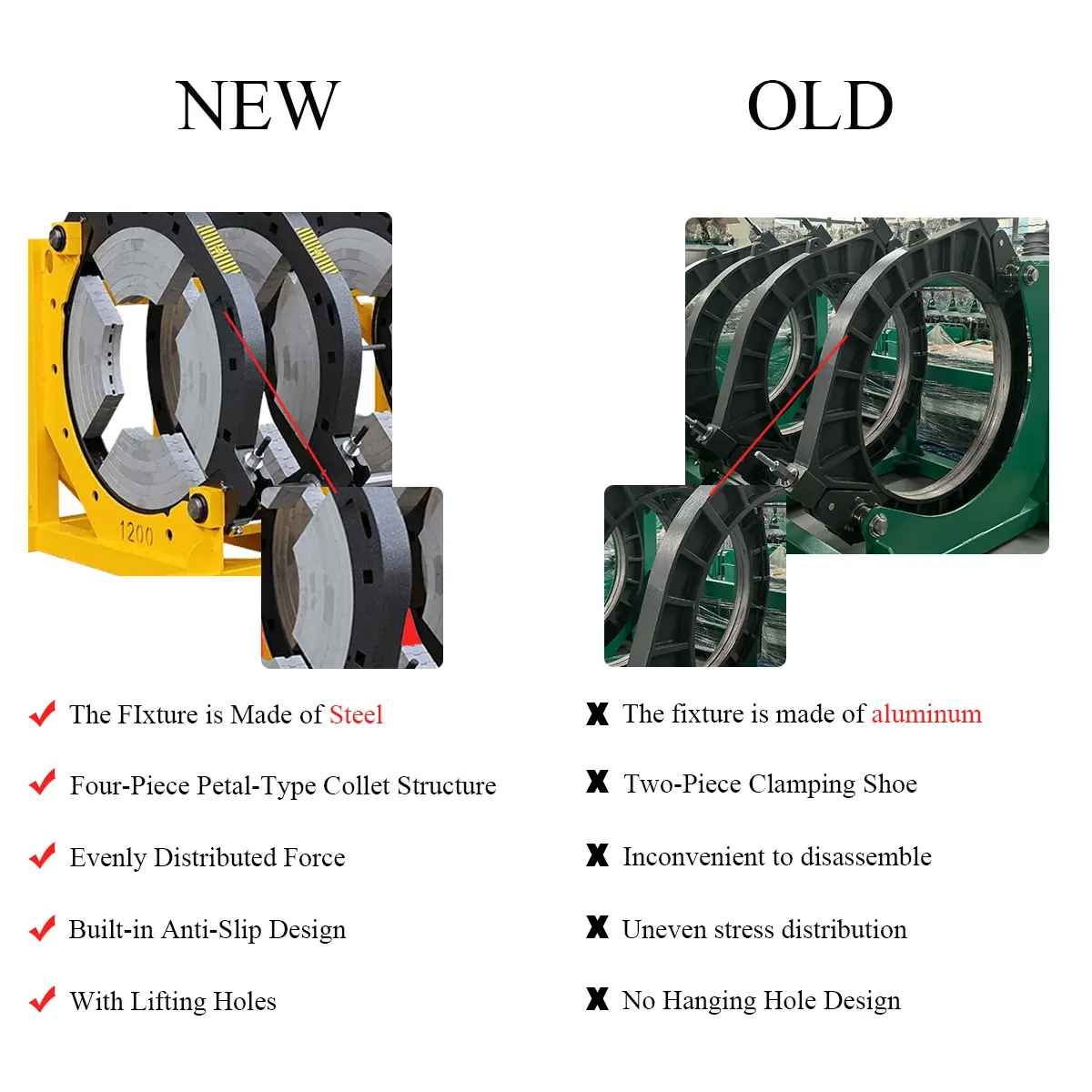
– Heater plate flatness and temperature control for consistent fusion faces.
– Strong, corrosion-resistant frames and clamps for coastal projects.
– Pressure and time control accuracy on hydraulic and automatic units.
– Portability and quick setup for rural Vietnamese sites where access can be limited.
Service, Training and Local Considerations
When buying HDPE welding equipment in Vietnam, confirm availability of spare parts, technician training and timely support. Climatic conditions (high humidity, monsoon season) and transport to remote provinces should influence choices for protective cases, IP-rated electronics and on-site training packages.
Choosing a Reliable Supplier
Look for manufacturers with a broad product range—manual, hydraulic and automatic butt fusion machines—and proven experience supplying infrastructure projects worldwide. For a full product lineup and tailored solutions, visit JQ-Fusion.
Next steps: evaluate your pipe diameters, project environment and crew experience, then request machine specifications and onsite training options to minimize downtime and ensure long-lasting pipeline performance.



